How do you make a game guide truly for beginners, not just intermediate players?

Creating a game guide that genuinely caters to absolute beginners, rather than merely brushing over the initial steps for those with some prior gaming experience, requires a distinct and empathetic approach. The pitfall of many guides is assuming a baseline understanding that new players simply don’t possess, leading to frustration and abandonment. To bridge this gap, your guide needs to be a patient, thorough, and jargon-free mentor, built from the ground up.
Understand Your Audience’s Baseline: Zero Knowledge
The fundamental shift required is to assume your reader knows absolutely nothing about the game, or even the genre itself. This means starting with the most elementary concepts. Don’t assume they know what “HUD” means, how to navigate menus, or even the basic control scheme (e.g., WASD for movement, left-click to interact). Every term, every mechanic, and every UI element needs an introduction and explanation.
Avoid industry jargon or game-specific shorthand until you’ve explicitly defined it. What might be obvious to an intermediate player — like “aggro,” “DPS,” or “crafting recipe” — can be an impenetrable wall for a newcomer. Break down these concepts as if you’re explaining them to a child.
Start from the Absolute Beginning
A true beginner’s guide doesn’t just start after the tutorial; it *is* the tutorial, and then some. Begin with how to download or install the game, how to create an account, and the very first interactions they’ll have. Guide them through the initial character creation process, explaining the impact of choices, however minor. Walk them through the absolute first few moments of gameplay, from understanding the main menu to their very first objective.
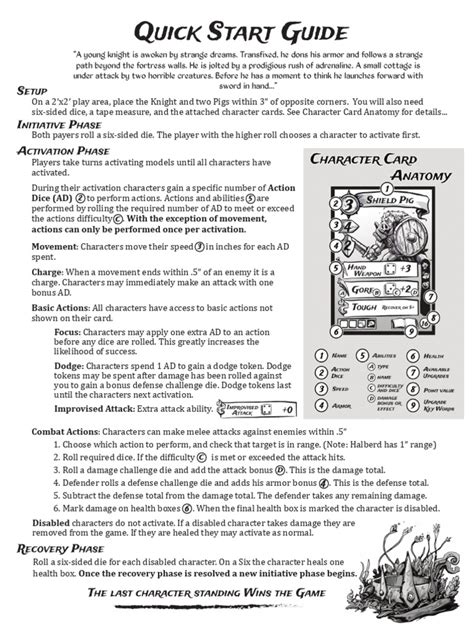
Detailing the user interface (UI) is paramount. Point out every meter, every icon, every button, explaining its purpose and how to interact with it. Basic movement and camera controls are often glossed over, but for a true beginner, these are fundamental hurdles. Dedicate clear sections to “How to Move,” “How to Look Around,” and “How to Interact.”
Break Down Complex Concepts into Tiny, Digestible Steps
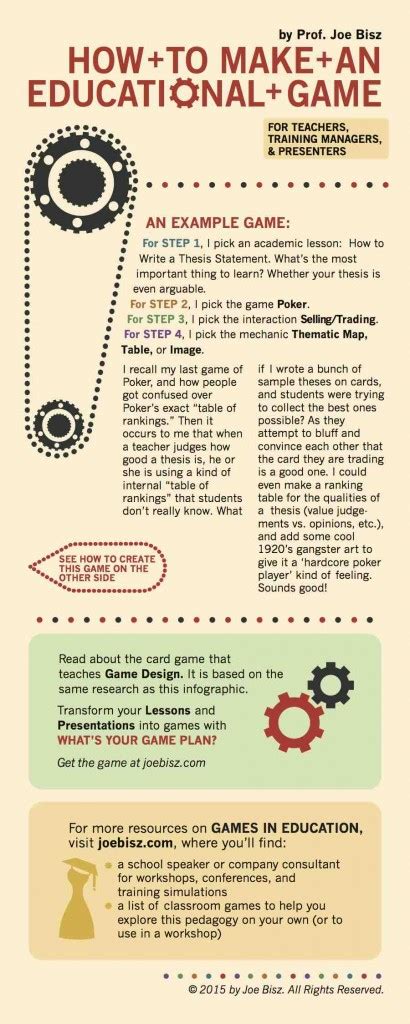
Intermediate players might grasp a system (like item enchanting or skill trees) by reading a high-level overview. Beginners need granular, step-by-step instructions. If a process has five steps, list them individually, explaining each one in detail. Use bullet points or numbered lists generously to make information easy to parse.
Don’t just say “level up your character.” Explain *how* to level up, *where* to go in the menu, *what* stats or skills to consider, and *why* certain choices might be better for a new player’s experience. Turn every complex system into a micro-tutorial, offering immediate, actionable advice.

Prioritize Clarity and Simplicity Over Advanced Strategies
While an intermediate guide might delve into optimal builds, speedrunning tactics, or hidden mechanics, a beginner’s guide should focus purely on enabling successful progression. Keep language straightforward and concise. Avoid ambiguity or highly nuanced explanations that can confuse. The goal is to get them playing and enjoying the game, not mastering it instantly.
For example, instead of presenting 10 different character builds, suggest one or two forgiving, easy-to-play options that allow beginners to learn the game’s core mechanics without being overwhelmed by complex synergies or demanding inputs. You can introduce more advanced topics later, perhaps in a “Next Steps” section.

Emphasize Practical Application and Practice
A good guide isn’t just about information; it’s about empowerment. Encourage beginners to try out what they’ve learned immediately. Include “Your Turn” or “Practice This Now” sections that prompt them to execute a newly explained mechanic. This hands-on approach reinforces learning and builds confidence.
Anticipate common beginner mistakes or points of confusion and address them proactively. For instance, if a quest objective is notoriously difficult to find, explicitly state its location or provide clear navigational cues. Offer simple troubleshooting tips for common technical issues like lag or controls not responding.
Use Visuals and Examples Extensively
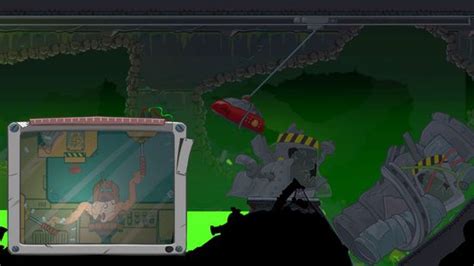
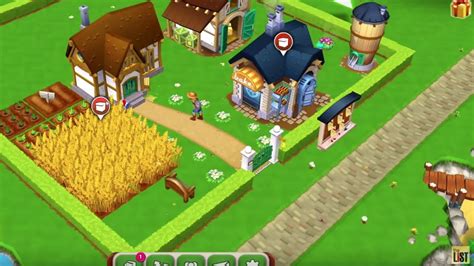
Even without actual images embedded, descriptive text for visuals is crucial. A beginner often learns best by seeing. Describe what they should see on their screen at various points: “Look for the green health bar in the top-left corner,” or “The ‘Inventory’ button is typically represented by a backpack icon.” If possible within your publishing platform, incorporate actual screenshots, diagrams, or short video clips demonstrating specific actions or UI elements.
Address Common Beginner Frustrations and Offer Encouragement
Starting a new game can be daunting. Acknowledge that beginners might struggle and validate their feelings. Offer words of encouragement, remind them that practice makes perfect, and reinforce that it’s okay to make mistakes. This empathetic tone can significantly reduce the likelihood of a new player giving up.
Include a section on “What to Do If You’re Stuck” or “Common Beginner Pitfalls,” providing solutions or strategies for overcoming typical early-game challenges. This fosters a sense of support and shows you’ve considered their journey.
Conclusion: The Empathy-Driven Guide
Ultimately, a game guide truly for beginners is a testament to empathy. It requires you to shed your own experience and put yourself entirely in the shoes of someone encountering the game, and perhaps even the gaming world, for the very first time. By focusing on fundamental concepts, breaking down every step, simplifying language, and offering relentless encouragement, you can craft a guide that not only teaches but genuinely welcomes new players into the rich world of your chosen game, ensuring they have the tools and confidence to enjoy their initial adventures.