How do you keep beginner game guides concise yet comprehensive for new players?

Creating an effective beginner game guide is a delicate balancing act. You want to equip new players with enough information to confidently step into a game without overwhelming them with every minute detail. The goal is to provide a smooth onboarding experience, ensuring they grasp core mechanics and enjoy their initial hours of gameplay.
Understanding Your Target Audience
The first step is to truly understand who your new players are. They are likely unfamiliar with basic concepts, controls, and terminology. They need fundamental instructions to get started, not an encyclopedic breakdown of every possible game interaction. Focus on the absolute essentials required for initial success and enjoyment.
Prioritize Core Mechanics and Objectives
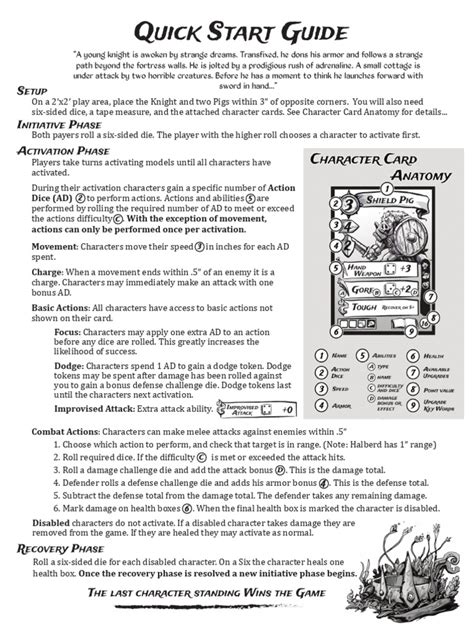
Don’t try to explain everything at once. Identify the absolute core mechanics: movement, basic combat, objective interaction, and inventory basics. What must a player know to complete the first quest or survive the initial area? Structure your guide around these critical pieces of information, delaying advanced strategies or niche mechanics for later, more specialized guides.
Employ Clear and Simple Language
Avoid jargon whenever possible. If you must use game-specific terminology, explain it clearly and concisely the first time it appears. Use active voice and straightforward sentences. Break down complex actions into simple, sequential steps. Imagine you’re explaining it to someone who has never played a video game before.
Leverage Visuals and Structured Formatting
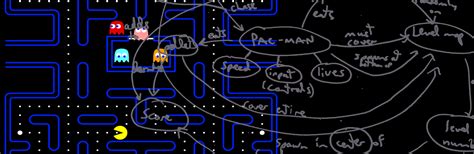
Text alone can be daunting. Incorporate screenshots, simple diagrams, or short GIFs to illustrate complex concepts, user interfaces, or specific in-game locations. Visuals significantly reduce cognitive load and help new players quickly identify what you’re talking about. Furthermore, use headings, subheadings, bullet points, and numbered lists to break up text and make the guide scannable. A well-formatted guide allows players to quickly find the information they need.
Guide by Example and Practical Application
Instead of just describing a mechanic, provide a practical example of how and when to use it. For instance, rather than saying “use ability X,” demonstrate its effect in a common scenario. “Use ability X to stun enemies when they group together.” This contextualizes the information and makes it more immediately useful to a beginner.
Adopt a Layered Information Approach
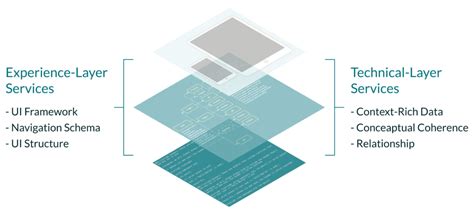
While aiming for conciseness, you also need to be comprehensive enough. Achieve this by layering information. Start with the “what” and “how” for immediate needs. Briefly mention the “why” if it adds crucial context without adding too much detail. You can always include links to more in-depth articles or advanced guides for players who wish to dive deeper after mastering the basics.
Test with Actual New Players
The best way to gauge your guide’s effectiveness is to have actual new players read and try to follow it. Observe where they get stuck, what questions they ask, or what information they feel is missing or overwhelming. This feedback loop is invaluable for refining your guide until it strikes the perfect balance between conciseness and comprehensiveness.

Conclusion
Ultimately, a successful beginner game guide is a functional tool that empowers new players without overwhelming them. By understanding their needs, prioritizing essential information, using clear language and visuals, and embracing a layered approach, you can create guides that are both concise enough to be digestible and comprehensive enough to provide a solid foundation for an enjoyable gaming experience.