How do you explain complex game mechanics in beginner guides without jargon or alienating new players?

The Challenge of Onboarding New Players
Introducing new players to a game, especially one with deep and intricate systems, can feel like walking a tightrope. On one side, you risk oversimplifying and not providing enough depth; on the other, you might overwhelm them with jargon and complex explanations, pushing them away before they’ve even had a chance to appreciate the game’s brilliance. The goal is to empower, not to intimidate, ensuring a smooth transition from novice to confident player.
The key lies in empathy: understanding that new players lack the context and vocabulary veterans take for granted. Your guide isn’t just a manual; it’s a mentor, gently revealing the world’s secrets one step at a time.

Start with the “Why,” Not Just the “How”
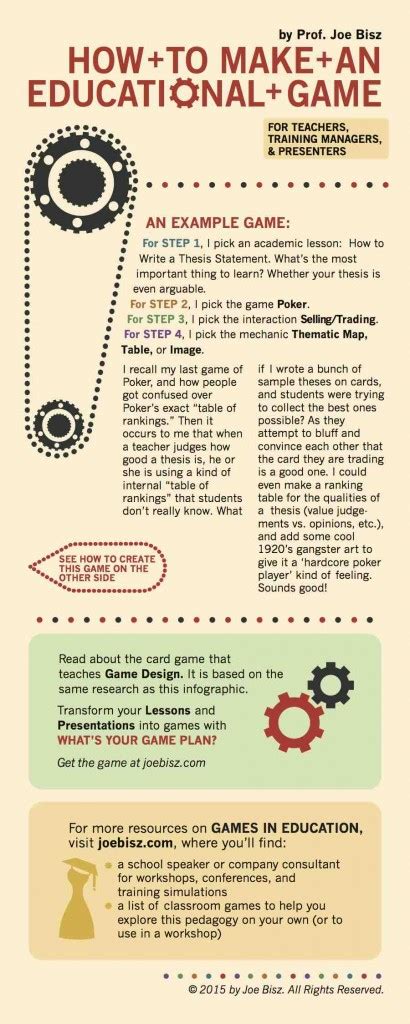
Before diving into the specifics of button presses or menu navigation, explain the purpose of a mechanic. Why is this system important? What problem does it solve for the player? Understanding the ‘why’ provides context and motivation, making the ‘how’ much easier to grasp. For instance, instead of immediately listing stats for “Armor Penetration,” explain that “Armor Penetration helps you deal more damage to heavily armored enemies.” This immediately gives the player a practical reason to care about the mechanic.
Break It Down: Small Chunks, Big Understanding
Complex systems are rarely monolithic; they’re usually composed of several smaller, interconnected parts. Dissect these systems into their most fundamental components and introduce them one at a time. Layer information progressively, building upon previously understood concepts. Avoid front-loading all the information. If a game has a crafting system, for example, first explain how to gather basic resources, then how to combine them, and only later introduce advanced recipes or rare components.
Embrace Analogies and Real-World Comparisons
One of the most powerful tools for de-jargonizing explanations is the use of analogies. Connect an abstract game mechanic to a familiar concept from the real world. A “threat generation” mechanic in an RPG could be likened to a magnet attracting enemies, while a “resource management” system might be explained as balancing a household budget. These comparisons create instant mental models, bridging the gap between the unfamiliar and the understood.
Visuals (Even in Text): Show, Don’t Just Tell
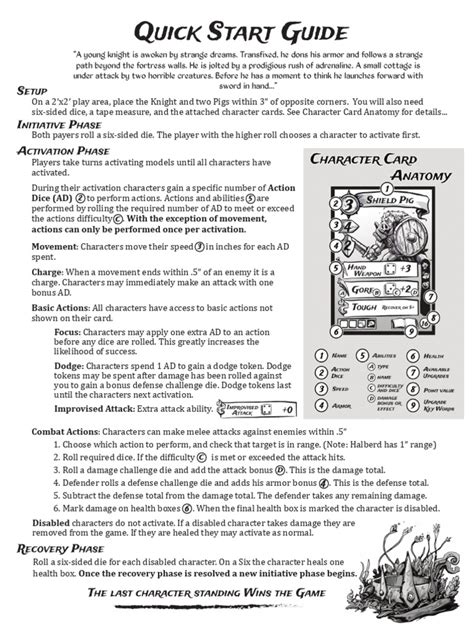
While a text guide can’t have interactive visuals, you can still describe scenarios clearly and provide concrete examples. Instead of saying, “The ‘Enchantment’ system allows you to modify items,” describe a practical application: “Imagine you have a sword. Using an ‘Enchantment’ spell, you can make it glow with fire, adding extra burn damage to your attacks.” Use bullet points, bold text, and short paragraphs to make the information digestible and visually structured, even without actual images.
The Jargon Jar: When and How to Introduce Terms
Jargon isn’t inherently bad; it’s a shorthand that becomes useful once the underlying concept is clear. The trick is to introduce it strategically. First, explain the concept in plain language. Once the player grasps the idea, then introduce the game’s specific term for it, perhaps in parentheses or a dedicated “Terminology” sidebar. For example: “When an enemy focuses all its attacks on one player (this is called ‘agro’), it’s often because that player has generated the most threat.” Providing a simple glossary for reference can also be incredibly helpful without overwhelming the main narrative.

Practice Makes Perfect: Encourage Experimentation
A guide should not just inform but also encourage active learning. Suggest scenarios where players can try out new mechanics in a safe environment. “Now that you understand basic crafting, try making a simple potion in your inventory” empowers them to apply knowledge immediately. Reinforce that experimentation is part of the learning process and that mistakes are opportunities to learn without fear of permanent failure.

Conclusion: Fostering a Welcoming Learning Environment
Ultimately, a successful beginner guide acts as a friendly companion, not a dry textbook. By prioritizing clarity, using relatable examples, breaking down complexity, and introducing game-specific terms only when contextually relevant, you can create an inviting learning environment. This approach not only helps new players understand the game’s intricacies but also builds a foundation for long-term engagement and enjoyment, turning potential frustration into genuine fascination.