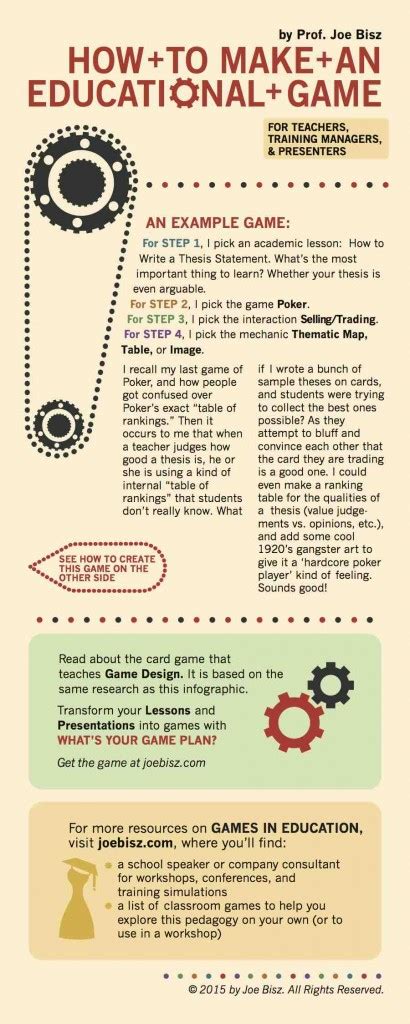
How do you craft game guides to quickly onboard new players to complex genres?

Complex game genres, from grand strategy epics to intricate simulation games, often present a formidable barrier to entry for newcomers. The sheer volume of mechanics, jargon, and decision-making can overwhelm even eager players, leading to early abandonment. The art of crafting an effective game guide in such scenarios isn’t just about listing features; it’s about building a bridge from confusion to comprehension, ensuring new players not only understand but also enjoy their initial journey into your game world.
Empathize with the Novice Mindset
Before you write a single word, step into the shoes of someone completely unfamiliar with your genre. Forget everything you know. What are their immediate questions? What common pitfalls do they face? Acknowledge that concepts that are second nature to veterans are alien to beginners. Avoid jargon initially, or explain it clearly and concisely the moment it’s introduced. This empathetic approach forms the bedrock of an accessible guide.
Focus on the “why” before the “how.” Why is this mechanic important? What benefit does understanding it bring? Connecting the abstract rule to a tangible outcome helps new players grasp its relevance and motivation to learn more.

Start with the Core, Build Progressively
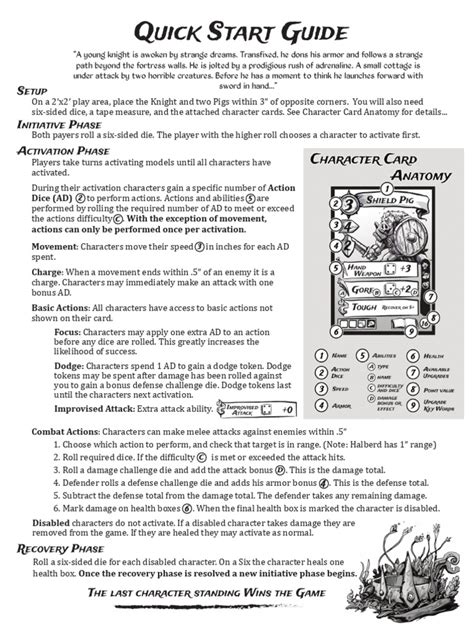
Resist the urge to dump all information at once. Overloading players with details about every single system from the get-go is a recipe for frustration. Instead, identify the absolute core mechanics necessary for initial engagement and successful gameplay. Introduce these fundamental concepts first, then gradually layer in complexity.
Think of it as a tutorial within the guide itself. Start with movement, basic interaction, and primary objectives. Once those are understood, move on to resource management, combat systems, or strategic decision-making. Each new concept should ideally build upon previously learned information, creating a natural learning curve rather than a steep cliff.

Harness the Power of Visuals and Examples
A wall of text is daunting. Incorporate screenshots, diagrams, flowcharts, and even short video clips (if the guide format allows) to illustrate points. Visuals can convey complex information far more quickly and effectively than text alone. Show, don’t just tell. Highlight specific UI elements, demonstrate optimal unit placements, or trace decision paths.
Beyond visuals, concrete examples are crucial. Instead of just explaining a combat formula, show an example calculation with actual in-game numbers. When discussing a strategy, provide a hypothetical scenario and walk the player through the decision-making process, explaining the rationale behind each step.
Encourage Hands-On Practice and Experimentation
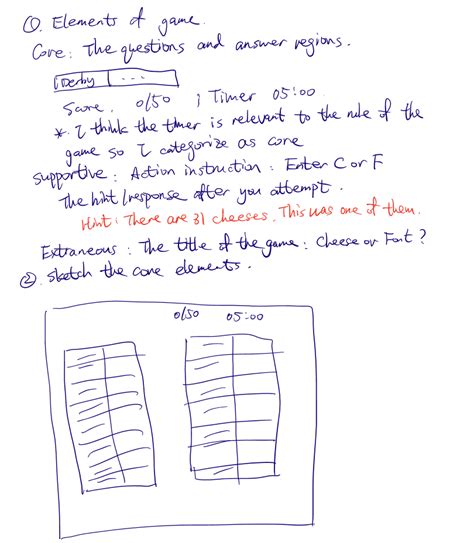
Learning by doing is paramount, especially in complex genres. A good guide doesn’t just explain; it encourages practice. Suggest specific in-game challenges, training missions, or safe sandbox environments where new players can apply what they’ve learned without fear of immediate failure. Provide “mini-quests” within the guide itself, challenging players to achieve a specific outcome using the mechanics just explained.
Frame experimentation as a positive. Complex games often have multiple viable strategies. Encourage players to try different approaches and learn from both successes and failures, fostering a deeper understanding beyond rote memorization.

Iterate and Refine with Player Feedback
Your first draft will almost certainly miss key points or contain areas of confusion. That’s okay. The most effective guides are living documents that evolve. Share early versions with actual new players (not just veterans) and actively solicit feedback. Pay close attention to where they get stuck, what questions they still have, and which explanations fall flat.
Tools like heatmaps (if applicable to a web guide) or simple questionnaires can provide invaluable insights. Be prepared to rephrase, reorganize, or even completely overhaul sections based on real-world usage. A guide’s success is ultimately measured by how well it empowers its intended audience.
Conclusion
Crafting a guide that quickly onboards new players to complex genres is a meticulous but rewarding endeavor. It requires empathy, structured progression, compelling visuals, practical application, and a willingness to iterate. By focusing on these principles, you can transform intimidating complexity into an engaging challenge, ensuring more players discover the depth and enjoyment your game has to offer.