Creating an effective beginner game guide is a delicate balancing act. On one hand, you want to equip new players with all the knowledge they need to succeed and enjoy the game. On the other, dumping too much information at once can be counterproductive, leading to frustration, confusion, and ultimately, players abandoning the game or your guide. The key lies in understanding how to structure and present information in a way that is digestible, practical, and progressive.
Empathy: Understanding the New Player’s Perspective
Before writing a single word, put yourself in the shoes of a complete novice. They likely have no familiarity with the game’s specific mechanics, lore, or even common genre conventions. What seems obvious to an experienced player can be a monumental hurdle for a newcomer. Acknowledge their potential for confusion, their desire for quick wins, and their need for clear, actionable steps. Your guide should be a friendly mentor, not an academic textbook.
Prioritize Core Mechanics and Essential Information
What are the absolute must-knows for a player to complete the first few objectives or understand the basic loop? Focus on these fundamental concepts first. This includes movement, basic combat (if applicable), core UI elements, and the primary objective. Resist the urge to dive into advanced builds, intricate lore, or late-game strategies. Those can come later. Start with the “how to play” before the “how to master.”
Break Down Information into Digestible Chunks
Large blocks of text are intimidating. Instead, break your guide into small, logically organized sections. Use clear headings (
,
) for sub-topics within each major section. Each paragraph should ideally convey one main idea. This modular approach makes the guide less daunting and allows players to easily find specific information if they need to reference it later.
Simplify Language and Avoid Jargon
Esports pros and veteran players often use game-specific jargon, acronyms, and shorthand. While this is efficient for them, it’s alienating for a new player. Define any necessary terms clearly and concisely. Opt for simple, direct language. If a complex concept must be introduced, explain it in layman’s terms and provide a real-world analogy if possible. Clarity is paramount.
Leverage Visuals and Practical Examples
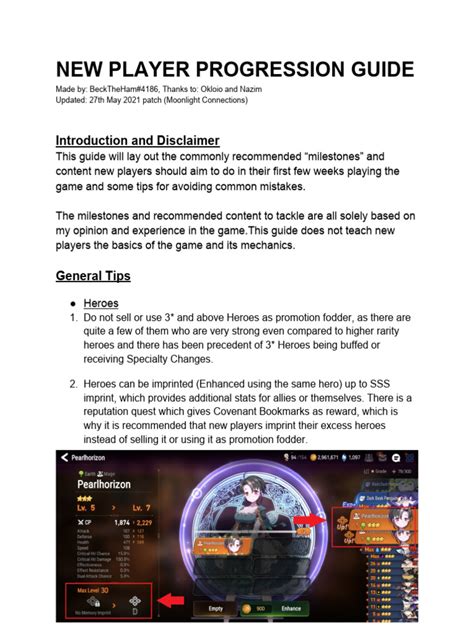
A picture is worth a thousand words, especially in game guides. Screenshots, diagrams, GIFs, or short video clips demonstrating actions or UI elements can dramatically improve comprehension. When explaining a mechanic, don’t just describe it – show it. Provide concrete examples of how a player would apply the information you’re giving them. “Press ‘W’ to move forward” is better with a screenshot of the keybinds or a short clip of character movement.
Encourage Hands-On Practice and Iteration
Learning by doing is highly effective. Structure your guide so that players can immediately put what they’ve learned into practice. After explaining basic movement, suggest they try navigating a simple area. After explaining crafting, prompt them to craft their first item. This active learning approach reinforces knowledge and builds confidence, making the information stick better than passive reading.
Implement Progressive Disclosure
Not all information is relevant at all times. Introduce advanced mechanics, complex strategies, or intricate lore only after the player has mastered the basics. Think of it as peeling an onion: reveal layers of information as the player progresses and demonstrates readiness for more complexity. This can be done by having distinct “Beginner,” “Intermediate,” and “Advanced” sections, or by signposting “Pro Tips” for later.
Test, Gather Feedback, and Refine
No guide is perfect on its first draft. Have actual new players (ideally those unfamiliar with the game) read and try to follow your guide. Observe where they get stuck, what questions they ask, and what they find confusing. Use this feedback to identify areas where your guide might still be overwhelming or unclear. Iterate on your guide, continuously refining it for maximum clarity and effectiveness.
Conclusion
Crafting a beginner game guide that avoids overwhelming new players is an art form rooted in empathy and clear communication. By prioritizing essential information, breaking down complex topics, utilizing visuals, and encouraging hands-on practice, you can create a welcoming and effective resource. Remember, the goal is to gently guide, not inundate, ensuring new players have a positive and successful entry into the world of your game.