How do we tailor beginner game guides for both simple mobile and complex PC games?

Crafting effective beginner game guides is an art that requires a deep understanding of the target audience and the platform they play on. The vast difference between a casual mobile game and a sprawling PC epic demands distinctly different approaches to onboarding new players. A one-size-fits-all guide will likely overwhelm mobile users and underserve PC enthusiasts. So, how do we tailor these crucial first steps for diverse gaming experiences?
Understanding the Player and Platform Dynamics
The first step in guide design is to recognize the fundamental differences between mobile and PC gamers, and the nature of their respective platforms. Mobile players often seek quick entertainment, playing in short bursts with touch-based interfaces. Their attention spans can be shorter, and they typically prefer immediate gratification over deep, complex systems.

PC gamers, on the other hand, frequently dedicate longer sessions to their chosen titles. They are often comfortable with intricate UIs, keyboard-and-mouse controls, and a myriad of mechanics. They expect depth, strategic choices, and a robust progression system, often willing to invest time in learning complex systems.
Tailoring Guides for Simple Mobile Games
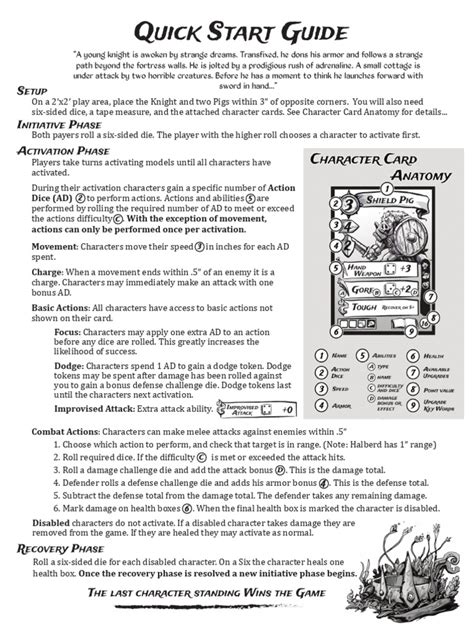
For simple mobile games, clarity and conciseness are paramount. Guides should focus on the absolute core mechanics necessary to start playing and enjoying the game immediately. Think of it as a quick-start manual:
- Minimal Text: Use short sentences, bullet points, and avoid jargon.
- Visual First: Rely heavily on screenshots, simple diagrams, and intuitive iconography to demonstrate actions. Highlight touch targets and gesture explanations clearly.
- Immediate Goals: Guide players through their first few successful actions, reinforcing positive feedback.
- Progressive Revelation: Introduce concepts only as they become relevant. Don’t dump all features at once.
- Accessibility: Ensure text is readable on smaller screens and instructions are easy to follow without extensive reading.
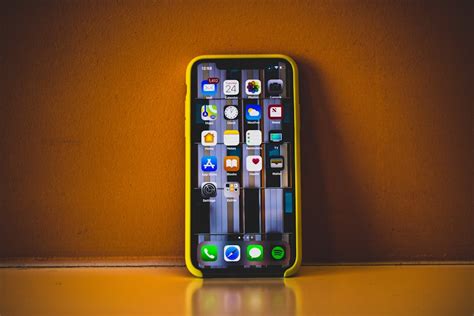
The goal is to get players interacting and having fun within minutes, not hours. Overly detailed explanations can lead to players dropping out before they even begin.
Crafting Comprehensive Guides for Complex PC Games
PC games, with their often sprawling worlds, intricate systems, and vast control schemes, demand a different beast entirely. Here, depth and detail are appreciated, even expected:
- System Overviews: Explain core game loops, resource management, skill trees, crafting systems, and economy in detail.
- UI Breakdown: Guide players through complex user interfaces, explaining each panel, button, and menu option. Highlight hotkeys and keybindings.
- Strategic Depth: Offer early-game strategies, character build recommendations, and explanations of combat mechanics or puzzle solutions.
- Glossaries and FAQs: Include sections for common terms, acronyms, and frequently asked questions to help newcomers navigate the game’s unique language.
- Progression Pathways: Outline typical progression routes, quest lines, and unlockable content to provide a sense of direction.
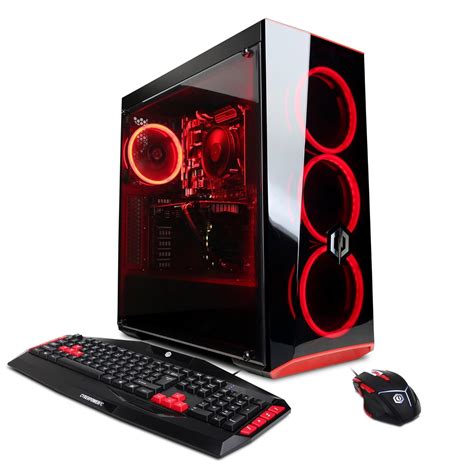
A good PC game guide acts as a comprehensive reference manual, allowing players to deep-dive into specific mechanics or find solutions when they get stuck. It anticipates questions and provides thorough, organized answers.
Universal Principles for Effective Beginner Guides
Despite their differences, some core principles apply to all beginner game guides:
- Empathy: Always remember what it’s like to be a completely new player. Avoid assuming prior knowledge.
- Clarity: Use simple, direct language. Avoid ambiguity.
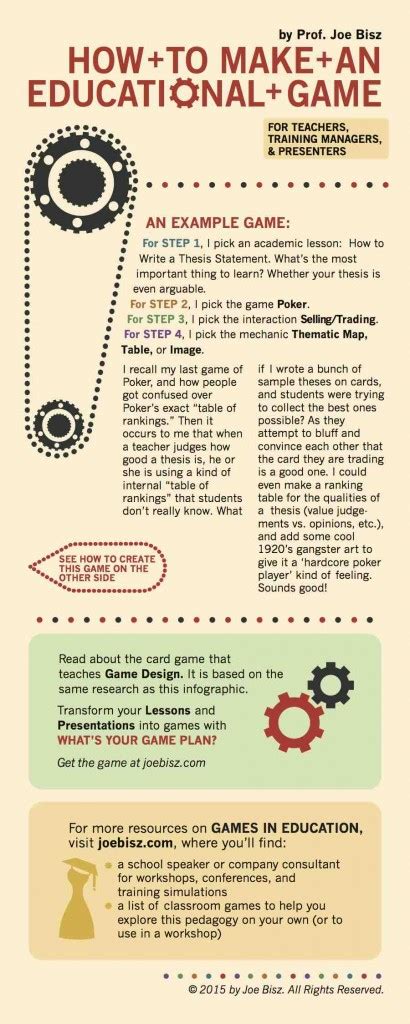
- Visual Aids: Whether screenshots for mobile or flowcharts for PC, visuals significantly enhance understanding.
- Structure and Navigation: Use headings, subheadings, and tables of contents (for longer guides) to make information easy to find.
- Iterative Improvement: Gather feedback from new players and update guides to address common sticking points or areas of confusion.

The goal is to empower the player, not just dictate. A guide should be a helpful companion, not a mandatory textbook.
Conclusion: The Art of Onboarding
Tailoring beginner game guides for both simple mobile and complex PC games isn’t just about varying the amount of information; it’s about understanding the player’s mindset, expectations, and the context of their gaming experience. By meticulously designing guides that respect the nuances of each platform and player demographic, we can ensure that every new adventurer, whether on a smartphone or a high-end rig, has a smooth, enjoyable, and successful entry into the world of their chosen game.