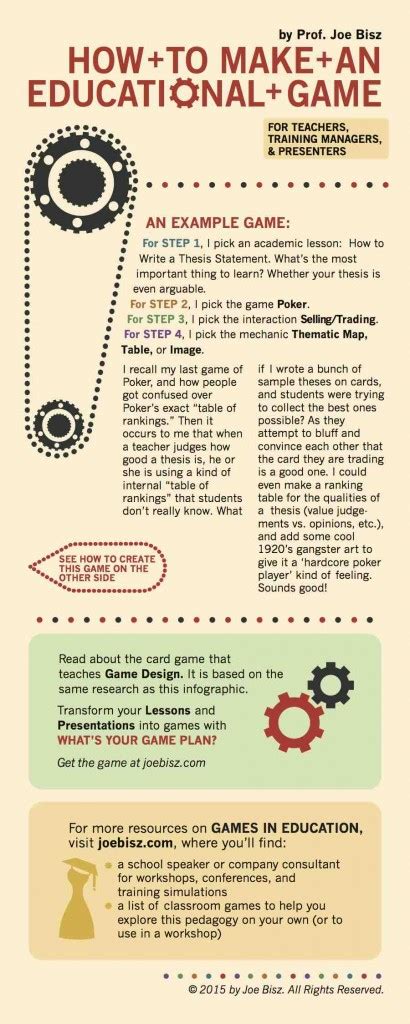
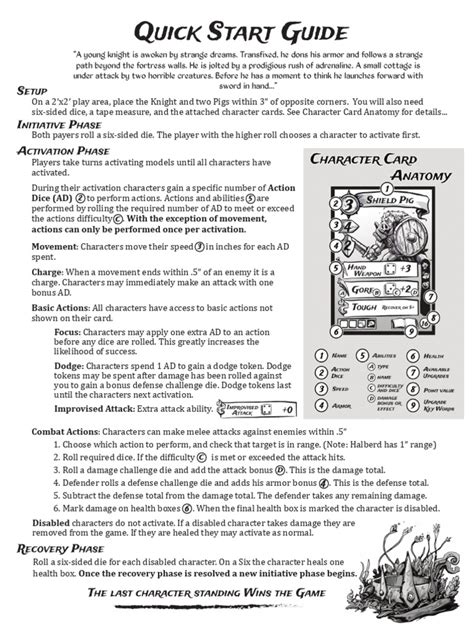
How do we structure game beginner guides for new players to quickly grasp core mechanics?

Understanding the New Player Experience
The first few hours with a new game are critical. For many players, this initial impression determines whether they stick around or move on. A well-designed beginner guide isn’t just about explaining buttons; it’s about gracefully onboarding them into a new world, teaching them its language, and empowering them to find fun. The goal is to demystify core mechanics without overwhelming them, allowing them to quickly grasp the fundamentals and start enjoying the game’s depth.
Core Principles for Effective Game Tutorials
To ensure new players can rapidly integrate into your game, guides should adhere to several key pedagogical principles:
Progressive Disclosure
Don’t dump all information at once. Introduce concepts and mechanics incrementally, building complexity layer by layer. Start with movement, then basic interaction, then combat, and so on. Each new piece of information should build on what was just learned, avoiding cognitive overload.
Contextual Learning
Players learn best by doing. Integrate tutorials directly into the gameplay experience rather than presenting them as isolated text screens. If a player needs to use an ability, present the instruction just before or during the moment they need to use it. This makes the information relevant and immediately actionable.

Immediate Reinforcement & Feedback
After teaching a mechanic, give the player an immediate opportunity to practice it and provide clear feedback on their success or failure. This loop of instruction-practice-feedback solidifies understanding and builds confidence. Celebrate small victories to keep motivation high.
Clear, Concise Language and Visuals
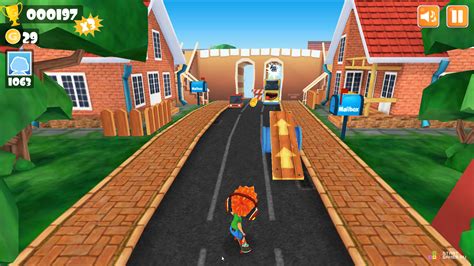
Avoid jargon where possible. Use simple, direct language. Crucially, leverage visual cues like highlighted UI elements, animated arrows, and short video clips to illustrate concepts. “Show, don’t just tell” is paramount in game tutorials.
Practical Strategies for Guide Structure
Translating these principles into a tangible guide structure requires thoughtful design decisions:
Interactive, Hands-On Modules
Design distinct, short modules that focus on a single core mechanic or a small set of related mechanics. Each module should have a clear objective and a defined completion state. For instance, a “Movement Module” might teach walking, running, and jumping through a mini-challenge.
“Learn as You Go” Scenarios
Instead of a dedicated, separate tutorial level, weave guidance into the very beginning of the main game experience. NPCs can give quests that naturally introduce mechanics, or environmental challenges can subtly prompt players to use new abilities. This immersion makes the learning feel less like a chore.
Layered Information Access
Provide an in-game codex or help section that players can refer back to. While the initial guide should be streamlined, some players appreciate the option to delve deeper or refresh their memory on specific mechanics at their own pace. This offers a safety net without cluttering the initial onboarding.
Pre-Flight Checklists and Post-Tutorial Challenges
Before letting players loose, a brief “recap” or checklist of what they’ve learned can be helpful. Post-tutorial, consider gentle challenges or low-stakes areas where they can freely experiment with their newfound skills without immediate pressure. This bridges the gap between guided learning and independent play.

Conclusion
Structuring effective beginner guides is an art form that balances instruction with discovery. By embracing progressive disclosure, contextual learning, immediate feedback, and clear communication, game developers can create onboarding experiences that are not only informative but also enjoyable. A well-crafted guide doesn’t just teach players how to play; it teaches them to love the game, laying a solid foundation for long-term engagement and a thriving player community.