How do we structure beginner gaming guides for maximum clarity and player retention?

Mastering the Art of Onboarding New Gamers
The journey of a new player into any game, particularly complex ones, is fraught with potential frustrations. A poorly constructed beginner guide can quickly lead to disengagement and abandonment. Conversely, a well-structured guide acts as a welcoming hand, empowering novices to understand core mechanics, find their footing, and ultimately, enjoy the game enough to stay. The goal isn’t just to inform, but to inspire and retain.
Prioritizing Clarity: Breaking Down Barriers
Clarity is the cornerstone of any effective beginner guide. New players are often overwhelmed by game jargon, intricate systems, and a deluge of information. The first step is to distill complex ideas into easily digestible components. This means avoiding technical terms where simpler language suffices, or meticulously explaining them the first time they appear.
Instead of a monolithic explanation, break down concepts into small, manageable chunks. Think of it as a series of mini-lessons, each building upon the last. Use bullet points, numbered lists, and short paragraphs to enhance readability. The less effort a player has to expend to understand a concept, the more likely they are to grasp it and move forward.

Engaging Content for Enhanced Retention
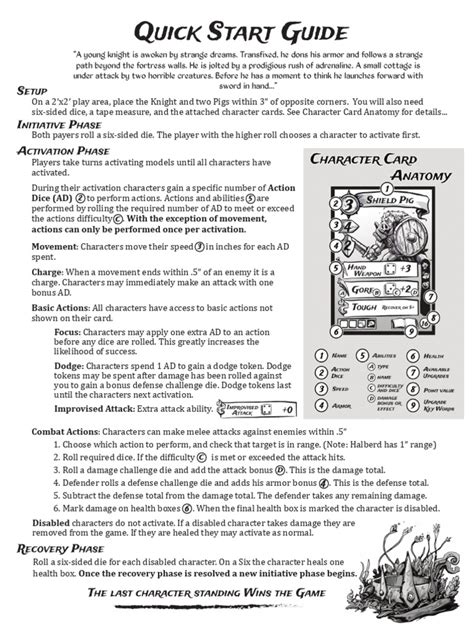
Information alone is rarely enough for retention. To keep players engaged, guides must be more than just dry manuals. Incorporate visual aids like screenshots, diagrams, and short video clips (if the format allows for embedded media, or if the guide points to them). Showing beats telling when it comes to game mechanics.
Furthermore, consider interactive elements. Can the guide prompt the player to try something in-game? Can it offer mini-quizzes or challenges that reinforce learning? Even simple thought-provoking questions can encourage active participation over passive reading. Highlight the “why” behind mechanics, not just the “how,” to foster deeper understanding and strategic thinking.

Strategic Structure and Flow for Seamless Learning
The way information is organized is as critical as the information itself. A logical progression that starts with fundamentals and gradually introduces more advanced concepts prevents players from feeling swamped. A clear table of contents or a navigable menu is essential for players to jump to specific sections or revisit past lessons.
Consider a modular approach, where each section addresses a specific game aspect (e.g., “Movement,” “Combat Basics,” “Resource Gathering”). Within each module, follow a consistent pattern: introduce the concept, explain its purpose, provide step-by-step instructions, and then offer tips or common pitfalls. This predictability builds trust and reduces cognitive load.

Fostering Practice and Encouraging Progression
Learning a game isn’t just about reading; it’s about doing. Effective guides don’t just explain; they encourage immediate application. Suggest specific in-game activities or training exercises that allow players to practice newly learned skills. For instance, “Now try fighting three basic enemies using what you just learned about blocking.”
Feedback mechanisms, even implicit ones, are also valuable. A guide might say, “If you’re struggling with X, try Y.” Celebrate small victories and set achievable milestones to give players a sense of accomplishment. Outline a clear progression path, suggesting what to learn next, to guide them beyond the ‘beginner’ stage and keep them motivated for long-term engagement.

Conclusion: Building Bridges, Not Walls
Structuring beginner gaming guides for maximum clarity and retention isn’t just about dumping information; it’s about crafting an engaging, supportive, and empowering learning experience. By prioritizing simple language, visual aids, logical flow, and opportunities for practice, we can transform potentially frustrating introductions into genuinely rewarding first steps. This approach not only helps new players succeed but also cultivates a loyal and active player base, ensuring the longevity and enjoyment of the game for everyone.