How do we structure beginner game guides to avoid overwhelming new players?

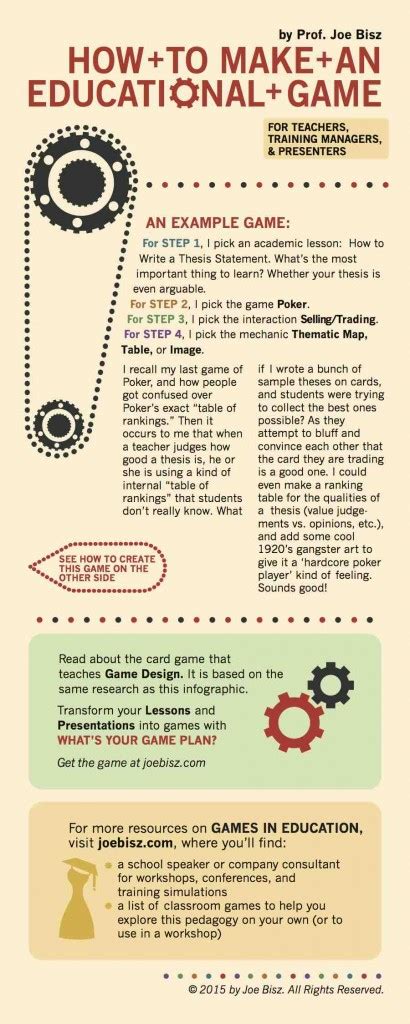
When a new player dives into a complex game, they’re often greeted by a torrent of information: new mechanics, intricate UIs, unfamiliar jargon, and a vast world to explore. While comprehensive, many beginner guides inadvertently contribute to this overwhelm, presenting everything at once. The key to successful onboarding isn’t just *what* information you provide, but *how* you deliver it.
The Core Challenge: Information Overload
Beginner guides walk a tightrope between being comprehensive and being digestible. The goal is to equip new players with enough knowledge to enjoy the game without making them feel like they’re studying for an exam. Too much detail, too soon, can lead to frustration and abandonment. New players need to build a mental model of the game progressively, understanding the foundational elements before moving to advanced strategies.

Foundational Principles for Effective Guides
Before diving into specific tactics, consider these overarching principles that should underpin any beginner guide:
Chunking Information
Break down complex topics into smaller, self-contained, and digestible pieces. Instead of a 2,000-word explanation of combat, split it into ‘Basic Movement,’ ‘Targeting,’ ‘Using Abilities,’ and ‘Advanced Maneuvers.’
Progressive Learning
Introduce concepts sequentially, building upon previously learned information. Players should master one core mechanic before being introduced to another that depends on it.
Clarity Over Completeness
For a beginner guide, it’s more important that a player understands the essentials than knows every single nuance. Save the deep dives and edge cases for intermediate or advanced guides.

Practical Strategies for Structuring Your Guide
1. Start with the Absolute Basics
Assume zero prior knowledge. Begin with the very first things a player needs to do: how to move, how to interact with the environment, how to navigate the UI, and what the immediate objective is. Don’t mention advanced concepts like ‘resource management’ or ‘build orders’ until these core actions are clear.
2. Gradual Introduction of Mechanics
Introduce one new game mechanic at a time. After explaining it, give a simple example or scenario where the player can immediately apply that knowledge. For instance, explain ‘jumping’ then show a small gap to jump over. Then, explain ‘double-jumping’ and show a wider gap.
3. Use Clear, Jargon-Free Language
Game communities often develop their own shorthand and jargon. While useful for veterans, it’s an alien language for newcomers. Explain every specific term (‘aggro’, ‘DPS’, ‘AoE’) the first time it appears, or better yet, rephrase it into plain English (‘enemy attention’, ‘damage per second’, ‘area of effect’).

4. Leverage Visuals and Examples Heavily
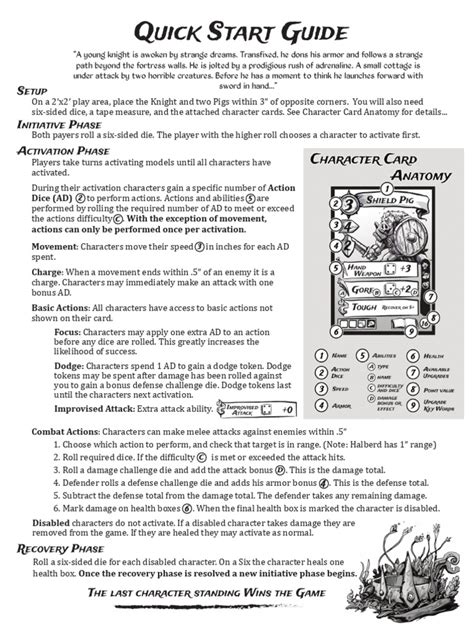
Text alone can be dry. Integrate screenshots, simple diagrams, or even conceptual representations of in-game elements. Show, don’t just tell. A picture of the UI with an arrow pointing to the ‘inventory’ button is far more effective than just describing where it is.
5. Encourage Active Learning and Practice
A guide shouldn’t just be read; it should be used. Suggest specific in-game activities or challenges that allow players to practice what they’ve just learned. Link to the game’s tutorial or suggest specific early-game quests that reinforce mechanics.
6. Create a “What’s Next?” Path
At the end of a section, briefly tell the player what they’ve accomplished and what they should focus on next. This provides a sense of progression and direction, preventing them from feeling lost even within the guide itself.

7. Optional Advanced Sections (or Separate Guides)
If there are complex but non-essential details (e.g., advanced crafting recipes, optimal skill trees, lore deep dives), clearly label them as ‘Optional’ or ‘Advanced Topics.’ Better yet, create separate, linked guides for these. This keeps the core beginner guide lean and focused.
Common Pitfalls to Avoid
- Assuming Prior Knowledge: Never assume a new player understands conventions from other games or even basic gaming terminology.
- Over-explaining Minor Details: Resist the urge to explain every single detail of a system if it’s not critical for initial understanding.
- Disorganized Structure: A guide that jumps randomly between topics will confuse more than it helps. Maintain a logical flow.
- Too Much Text, Not Enough Visuals: Walls of text are intimidating. Break them up with headings, bullet points, and images.
Conclusion: Build Confidence, Not Confusion
Structuring beginner game guides effectively is about empathy. Put yourself in the shoes of a brand-new player and anticipate their points of confusion. By breaking down information into manageable chunks, introducing concepts progressively, and prioritizing clarity through visuals and simple language, you can create a guide that builds a player’s confidence, fosters enjoyment, and ensures they’re eager to continue their gaming journey rather than abandoning it out of overwhelm.