How do we simplify complex game mechanics in beginner guides for new players?

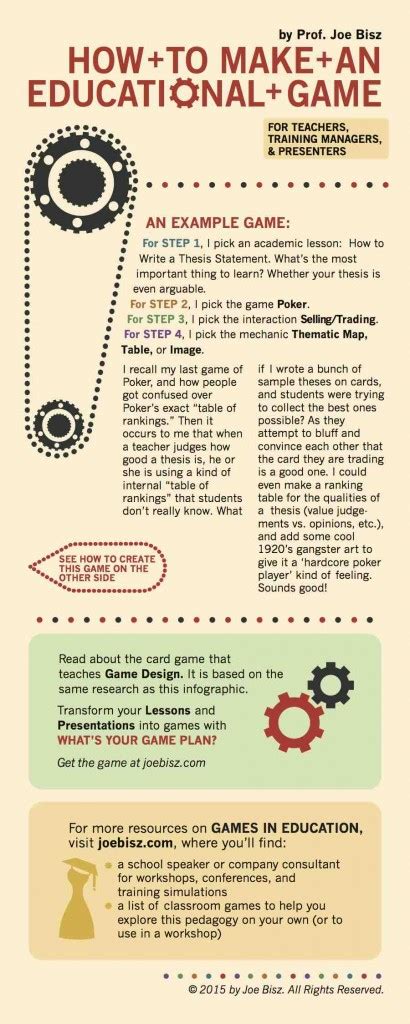
Introducing new players to games with deep, complex mechanics can be a daunting task. The line between comprehensive information and overwhelming new users is delicate. A well-crafted beginner guide doesn’t just explain; it educates, excites, and retains players by making the initial learning curve feel manageable and rewarding. The goal is to demystify complexity, not dilute the depth.
Understanding Your Audience: The True Beginners
Before you can simplify, you must understand who you’re simplifying for. New players often come with varying levels of gaming experience, but they all share a common need: a clear path into the game’s core loop. They aren’t looking for advanced strategies or obscure lore; they need the fundamentals. This means avoiding jargon, focusing on immediate impact, and providing context for every new concept introduced.

The Power of Chunking: Breaking Down Complexity
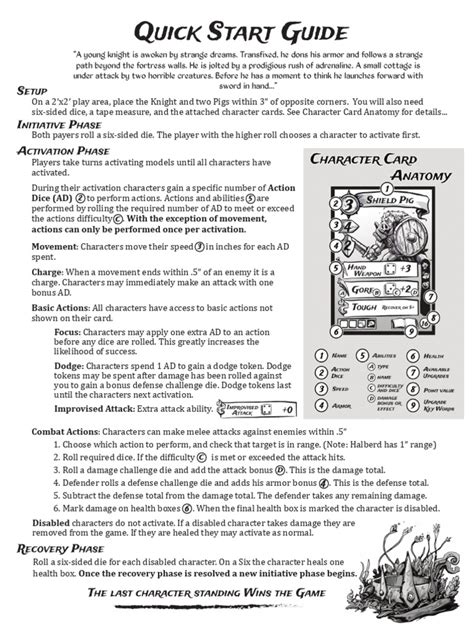
One of the most effective methods is ‘chunking’ – breaking down a large, intimidating mechanic into smaller, digestible components. Instead of explaining an entire combat system at once, introduce movement, then basic attack, then special abilities, and finally, their synergistic interactions. Each ‘chunk’ should build upon the last, creating a logical progression of understanding. Start with the ‘what’ and ‘why’ before diving into the ‘how’.
Analogies and Real-World Examples
Abstract game concepts can be difficult to grasp. Connecting them to familiar real-world scenarios or concepts can bridge this gap. For instance, explaining a ‘crafting tree’ as a ‘recipe book’ or ‘resource management’ as ‘budgeting money’ helps players anchor new information to existing knowledge structures. Simple, relatable comparisons make the complex immediately more intuitive.
Leveraging Visuals: Show, Don’t Just Tell
Text-only explanations for visual concepts are often insufficient. Screenshots, GIFs, and short video clips can dramatically enhance understanding. Show the effect of an ability, the path to a critical menu, or the interaction between two items. Visual aids reduce cognitive load and cater to different learning styles, making guides accessible and engaging.

Gradual Introduction & Learning by Doing
Resist the urge to front-load all information. Introduce mechanics as they become relevant within the game’s progression. A tutorial mission that requires the player to use a newly explained mechanic actively is far more effective than passive reading. Practical application solidifies understanding and builds muscle memory. Design guides that encourage experimentation within safe, controlled environments.
Clear, Concise Language and Jargon Management
Every word counts. Use plain, direct language. If game-specific jargon is unavoidable, define it clearly the first time it’s used and consider including a glossary. Avoid overly technical terms or developer-speak that can alienate new players. Focus on clarity over cleverness.

Interactive Elements and Practice Opportunities
The best guides aren’t just instructional; they’re interactive. Quizzes, mini-games, or sandbox modes within the guide itself can test comprehension and allow players to practice without fear of failure. This hands-on approach reinforces learning and builds confidence, crucial for venturing into the main game. Encourage repetition in low-stakes environments.

Feedback and Iteration: Guides Are Living Documents
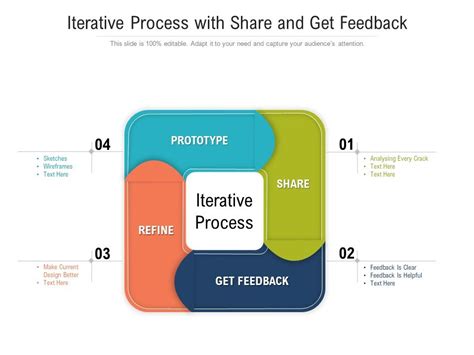
A beginner guide is never truly ‘finished’. Pay attention to player feedback, common questions, and points of confusion. Is there a mechanic consistently misunderstood? Is a section too long or too short? Regular updates and refinements based on actual player experiences are vital for keeping guides relevant and effective. Player struggles are invaluable data points for improvement.
Conclusion
Simplifying complex game mechanics in beginner guides is an art form that blends pedagogy with empathy. By understanding your audience, breaking down concepts, using effective visuals and analogies, and providing opportunities for practice, you can transform intimidating systems into engaging learning experiences. A thoughtfully designed guide not only eases new players into a game but also significantly contributes to their long-term enjoyment and retention, fostering a stronger, more vibrant player community.