How do we simplify complex game mechanics for new players in beginner guides?

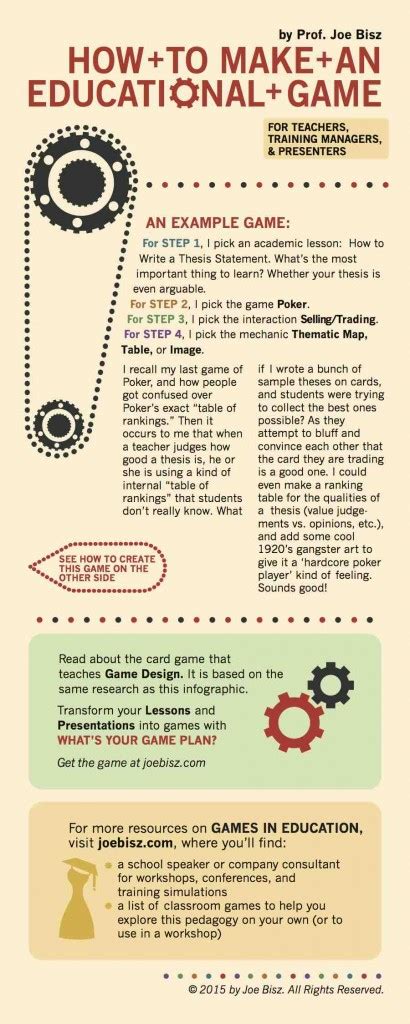
Introducing new players to games with intricate systems and deep mechanics can be a daunting task for guide creators. The fine line between comprehensive explanation and overwhelming information often determines whether a new player embraces the game or abandons it out of frustration. Successfully simplifying complex game mechanics isn’t just about brevity; it’s about strategic presentation, clarity, and empathy for the beginner’s perspective.
Break Down Complexity into Digestible Chunks
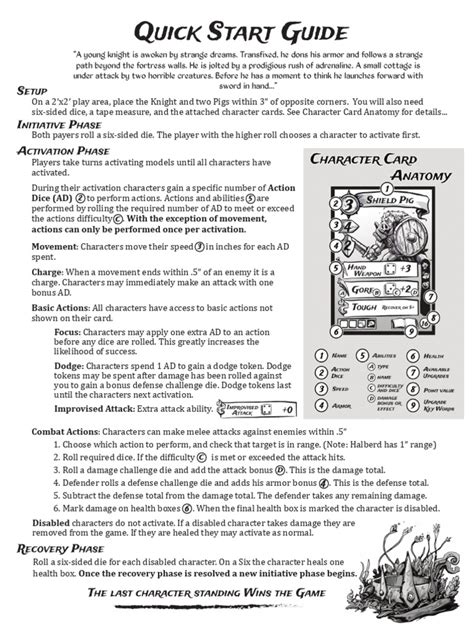
The first and most critical step is to dismantle the monolithic structure of complex mechanics into smaller, manageable pieces. Instead of explaining an entire combat system with all its nuances at once, focus on the absolute fundamentals: how to attack, how to defend, and perhaps one basic special ability. Each concept should be introduced in isolation, allowing the player to grasp it fully before moving to the next. This modular approach builds confidence and prevents cognitive overload.
Beginner guides should prioritize core functionalities that are essential for immediate gameplay. Advanced tactics, niche interactions, or optimal strategies can be reserved for later sections or intermediate guides. Think of it like teaching someone to drive: you start with steering, braking, and accelerating, not advanced parallel parking maneuvers on day one.
Leverage Visual Aids and Relatable Analogies
Text-heavy explanations can often fall flat when describing dynamic game processes. This is where visual aids become invaluable. Screenshots with highlighted areas, simple diagrams illustrating cause-and-effect, flowcharts for decision-making processes, or even short animated GIFs can convey information far more effectively than paragraphs of text. Visuals provide immediate context and help players connect actions to outcomes.
Furthermore, employing real-world analogies can bridge the gap between abstract game concepts and familiar experiences. Comparing a game’s resource management to budgeting personal finances, or a tactical positioning system to a chess board, can make alien mechanics instantly more intuitive. These comparisons provide a mental framework for understanding, making new information less intimidating.
Encourage Practical Application and Guided Practice
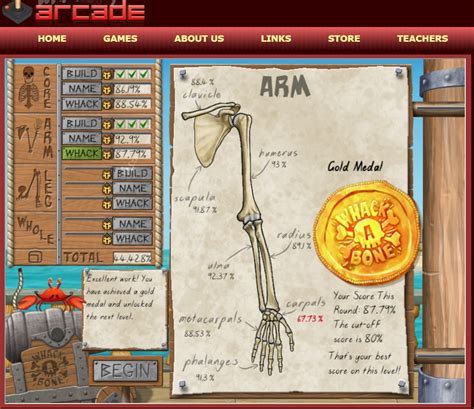
Understanding a mechanic intellectually is one thing; applying it effectively in real-time gameplay is another. Beginner guides should ideally integrate opportunities for guided practice. This could involve suggesting specific in-game scenarios to try, recommending practice modes, or even providing step-by-step instructions for executing a particular mechanic within a safe, low-stakes environment. Learning by doing solidifies understanding and builds muscle memory.
Interactive elements, where available, can significantly enhance this process. Quizzes that test understanding, or embedded mini-simulations that allow players to experiment without consequence, are powerful tools for active learning. The goal is to move beyond passive reading to active engagement, ensuring players can translate knowledge into action.
Employ Progressive Disclosure and Layered Information
Not all information needs to be presented upfront. A key strategy for preventing overwhelm is progressive disclosure. Introduce only the information necessary for the immediate task or stage of the game. As players advance and demonstrate proficiency with foundational mechanics, then gradually introduce deeper layers of complexity, advanced strategies, or less common interactions.
This layering can be structured within the guide itself, perhaps with “Advanced Tips” sections that are clearly marked as optional, or by linking to more in-depth articles for those ready to delve deeper. The primary beginner guide should focus solely on getting the player competent and confident enough to enjoy the game’s core loop, leaving mastery as a long-term goal.
Prioritize Clear Language and Avoid Jargon
Game communities often develop their own lexicon of jargon, acronyms, and shorthand. While this internal language is efficient for experienced players, it is an impenetrable barrier for newcomers. Beginner guides must conscientiously avoid this jargon or, if absolutely necessary, clearly define terms the first time they are used. Opt for plain, straightforward language.
Every term, whether it’s “DPS,” “aggro,” “CC,” or “kiting,” should be explained in simple, accessible terms. Imagine you’re explaining the concept to someone completely unfamiliar with video games. This mindset ensures clarity and prevents frustration caused by unexplained terminology, allowing players to focus on understanding the mechanics themselves rather than decoding the language used to describe them.

Conclusion
Simplifying complex game mechanics for new players in beginner guides is an art that blends pedagogy with game design principles. By breaking down information, utilizing powerful visual and analogous explanations, encouraging hands-on practice, progressively disclosing advanced concepts, and maintaining clear, jargon-free language, guide creators can transform potentially overwhelming experiences into engaging and accessible learning journeys. Ultimately, a well-crafted beginner guide fosters a stronger foundation for new players, enhancing their enjoyment and increasing their likelihood of becoming long-term enthusiasts.