How do we ensure game beginner guides give clear, actionable first steps for new players?
The initial moments a new player spends in a game are critical. A well-designed beginner guide doesn’t just teach mechanics; it cultivates excitement, builds confidence, and fosters a sense of accomplishment. Conversely, a poorly constructed guide can overwhelm, confuse, and ultimately drive players away before they’ve even experienced the game’s true depth. So, how can developers and guide creators ensure their first steps are clear and truly actionable?
Why Clear First Steps Matter for New Players
In today’s complex gaming landscape, many titles introduce intricate systems, vast worlds, and unique control schemes. Without a gentle, guiding hand, new players can feel lost or inadequate. Clear, actionable first steps are fundamental for several reasons:
- Player Retention: A positive initial experience significantly increases the likelihood of a player sticking with the game.
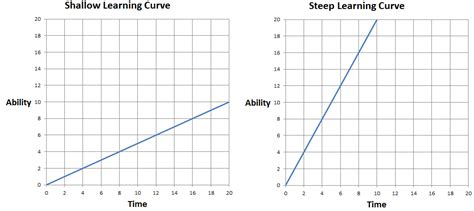
- Reduced Frustration: It minimizes the learning curve, allowing players to grasp core concepts without constant struggle.
- Early Engagement: Actionable steps provide immediate goals and rewards, drawing players deeper into the game world.
- Foundation Building: It establishes a solid understanding of basic mechanics, essential for mastering advanced strategies later.

Common Pitfalls in Beginner Guides
Many guides, despite good intentions, fall short. Recognizing these common traps is the first step towards creating better resources:
- Information Overload: Dumping too much information at once, without context or opportunity for practice.
- Excessive Jargon: Using game-specific terms without adequate explanation, alienating newcomers.
- Lack of Actionability: Explaining concepts abstractly without providing immediate opportunities to apply them.
- Assumption of Prior Knowledge: Assuming players understand common gaming conventions or genre tropes.
- Unskippable, Lengthy Tutorials: Forcing experienced players (or those replaying) through redundant content.
Core Principles of an Effective Beginner Guide
To move beyond these pitfalls, guides should adhere to a set of core principles focused on the player’s learning journey.
Keep it Simple and Focused
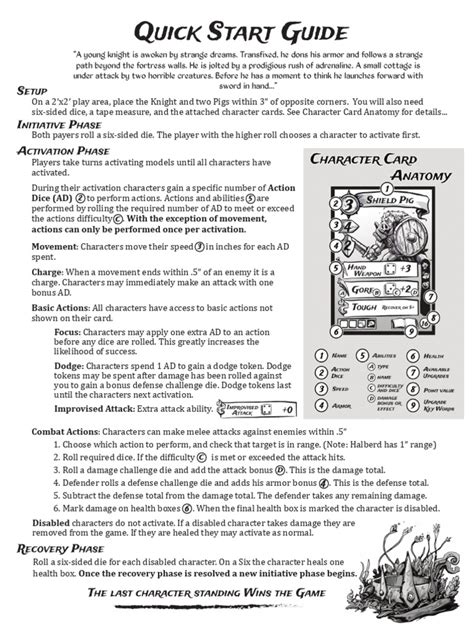
Identify the absolute essential mechanics a player *must* know to progress in the first 5-10 minutes. This is often movement, basic interaction, and perhaps one core combat or puzzle mechanic. Resist the urge to explain everything upfront. Prioritize ‘need-to-know’ over ‘nice-to-know.’
Make it Actionable and Progressive
Every piece of information should be immediately followed by a task that allows the player to practice it. Break down complex actions into small, achievable steps. Introduce new mechanics gradually, building upon previously learned skills. For instance, teach movement, then interacting with an object, then moving to interact with an object in a specific way. This progression builds confidence and competence.
Leverage Visuals and In-Game Cues
Show, don’t just tell. Use clear visual indicators within the game (highlighted UI elements, animated examples, directional arrows) to guide players. Short, concise text should accompany visuals, explaining *why* an action is important, not just *how* to do it. Contextual pop-ups that appear only when needed are often more effective than static help menus.
Address Jargon and Assumptions
Either completely avoid game-specific jargon in the initial stages or provide immediate, clear explanations (e.g., tooltips). Assume nothing about a player’s previous gaming experience. Simple, universal language is always best for first steps.
Practical Strategies for Implementation
Translating these principles into practice requires thoughtful design and iteration:
- The ‘First 5-10 Minutes’ Design: Focus intensely on what the player experiences immediately after hitting ‘New Game.’ Is it engaging? Is it clear? Does it give them an immediate sense of purpose?
- Interactive, Contextual Tutorials: Integrate learning directly into gameplay. Instead of a separate tutorial zone, guide players through their first few missions or areas, introducing mechanics as they become relevant.
- Optional & Skimmable Content: Allow players to skip tutorials or quickly review key information at their own pace. A small ‘?’ icon on UI elements that provides quick explanations is invaluable.
- Sandbox or Training Arenas: For games with deep mechanics, provide an optional, low-pressure environment where players can experiment and practice without consequence.
- Observe & Iterate: Conduct playtests with actual new players. Observe where they get stuck, what they skip, and what questions they ask. Use this feedback to refine the guide repeatedly.
- Leverage Community: While not part of the initial guide, a robust community or accessible in-game encyclopedia can serve as a valuable secondary resource once players have grasped the basics.
Ensuring game beginner guides provide clear, actionable first steps is an investment in your player base. By prioritizing clarity, immediate action, and a progressive learning curve, developers can transform potentially daunting introductions into exciting beginnings, setting players on a path to long-term enjoyment and mastery.