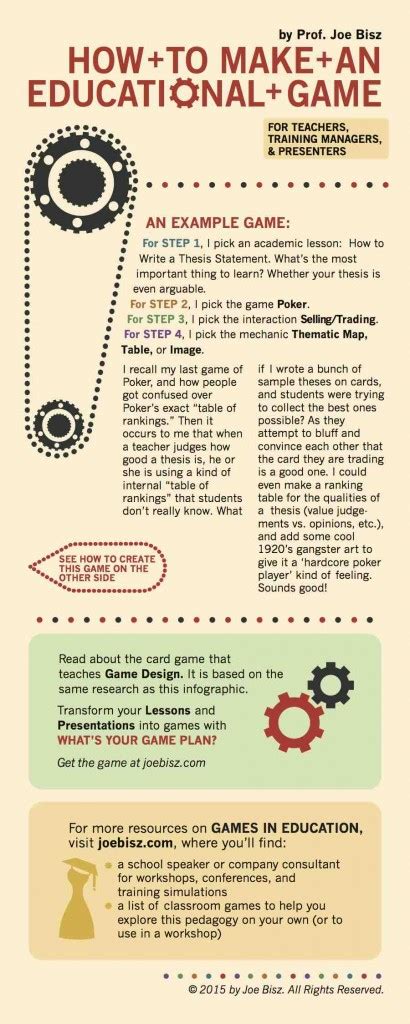
How do we distill complex game rules into actionable, beginner-friendly steps?

The Challenge of Complex Game Rules
Many fantastic games, from intricate board games to expansive video games, come with rulebooks that can feel like academic texts. The sheer volume of information, coupled with nuanced interactions and specific terminology, often creates a daunting barrier for new players. The goal isn’t just to teach the rules, but to make the learning process itself enjoyable and accessible, transforming potential frustration into instant engagement. So, how do we take a sprawling rule set and condense it into a digestible, actionable guide for novices?
The answer lies in a strategic approach to information design and player psychology. It’s about more than just summarizing; it’s about prioritizing, chunking, and framing information in a way that builds understanding incrementally.

1. Identify the Core Objective and Win Condition
Before diving into specific mechanics, a beginner needs to understand the ultimate goal. What are they trying to achieve? How do they win? This provides essential context for all subsequent rules. Start with the ‘why’ before explaining the ‘how’. For instance, in a strategy game, state clearly: “Your goal is to conquer all opposing territories” or “You win by accumulating 10 victory points.” This foundational understanding acts as an anchor for all other information.
2. Prioritize Essential Mechanics: The First Turn Experience
A beginner doesn’t need to know every edge case or advanced strategy from the outset. Focus on the rules absolutely necessary to complete the first turn, or the first few turns. What are the basic actions a player can take? How do they move, interact, or produce resources? Introduce concepts like setup, basic movement, and primary actions. More complex rules, special abilities, or scoring details can be introduced as ‘optional’ reads or as players naturally encounter them during play.
3. Break Down Rules into Logical, Actionable Chunks
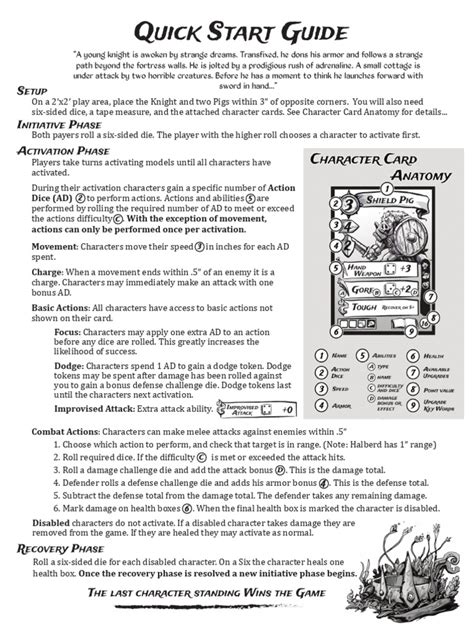
Avoid presenting an entire rulebook as a monolithic block. Instead, organize rules into smaller, self-contained modules. Think in terms of phases: ‘Setup Phase,’ ‘Player Turn Phase,’ ‘Combat Resolution,’ ‘End Game Scoring.’ Within each phase, use clear headings and bullet points for specific actions. Each chunk should be focused on a single concept or a small set of related actions, making it easier to absorb and recall.
4. Utilize Visual Aids and Concrete Examples
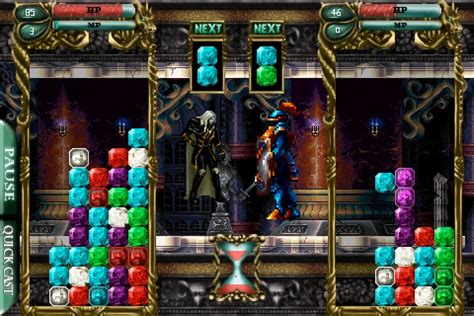
Text alone can be dry and abstract. Visuals are incredibly powerful for rule comprehension. Use diagrams to illustrate board setup, player movement paths, or combat sequences. Include screenshots or illustrations of game components with callouts explaining their function. Furthermore, provide concrete, step-by-step examples for common scenarios. For instance, “If Player A attacks Player B’s unit, here’s exactly what happens: step 1, step 2, step 3.” This grounds abstract rules in practical application.
5. Encourage ‘Learn-by-Doing’ with Guided Play
The best way to learn is often by doing. Design your beginner’s guide to facilitate a ‘first game’ experience where rules are introduced incrementally as they become relevant. Instead of reading the entire manual upfront, suggest a guided play-through. “For your first turn, try doing X. Now, let’s see what happens if you do Y.” This practical application solidifies understanding and makes the learning process feel less like studying and more like playing. A ‘quick-start’ guide that walks players through their first few turns is invaluable.

6. Offer a Layered Approach and Quick Reference
Recognize that different players learn at different paces and prefer different levels of detail. Offer a layered approach: a concise ‘Getting Started’ guide, followed by a more comprehensive ‘Reference Manual’. The ‘Getting Started’ guide should be ultra-lean and actionable. The ‘Reference Manual’ can contain all the intricate details, edge cases, and advanced strategies for later exploration. Crucially, provide a quick reference card or summary sheet that outlines turn order, common actions, and key symbols. This reduces the need to constantly flip through a full rulebook.

Conclusion: The Art of Inviting Players In
Distilling complex game rules into beginner-friendly steps is an art that blends clarity, empathy, and strategic information design. By focusing on core objectives, prioritizing essential mechanics, chunking information, leveraging visuals, and encouraging hands-on learning, we can transform daunting rulebooks into inviting pathways. The goal isn’t just to explain the game, but to open the door to immediate fun and foster a lasting passion for the experience. A well-designed beginner’s guide doesn’t just teach the rules; it teaches players how to love the game.