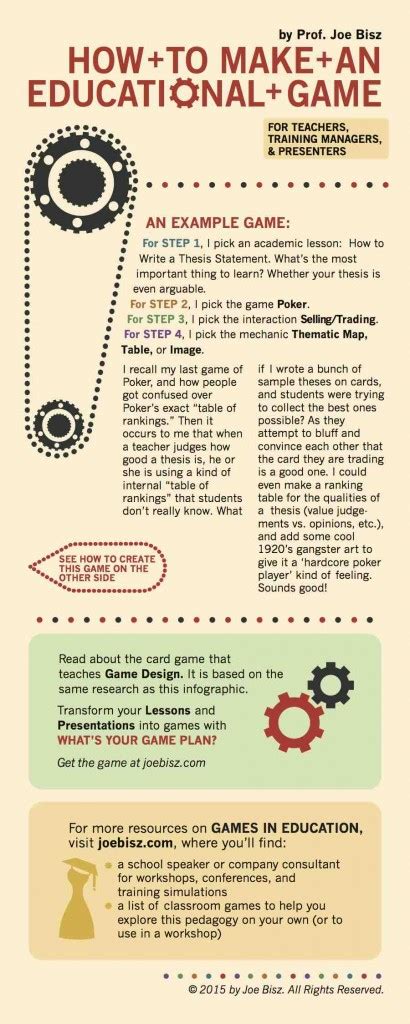
How do we craft beginner guides that truly help new players get started in any game?

Starting a new game can be an exhilarating experience, but for many new players, it’s often fraught with confusion and frustration. Overly complex mechanics, dense user interfaces, and a lack of clear direction can quickly turn excitement into exasperation. This is where a truly effective beginner guide becomes invaluable – not just as a manual, but as a friendly hand reaching out to welcome players into a new world.
Understanding the Beginner’s Mindset
The first step in crafting an exceptional beginner guide is to deeply understand your audience. New players aren’t interested in meta strategies, advanced build orders, or obscure lore details right off the bat. They want to know: “How do I move? What do these buttons do? What’s my first goal?” Their mindset is one of exploration mixed with a fear of making irreversible mistakes. Your guide should anticipate these fundamental questions and address them directly.

Starting with the Absolute Basics
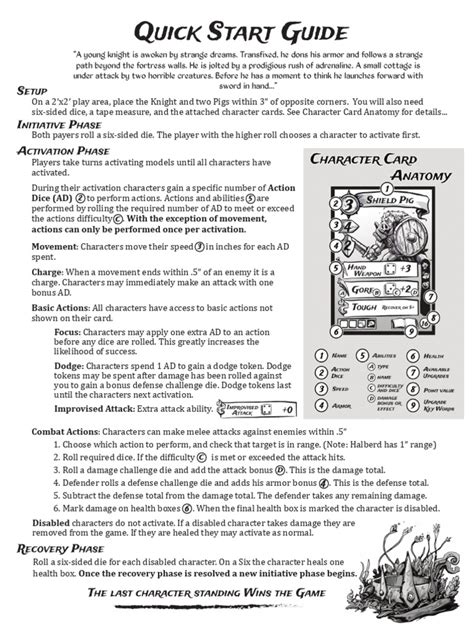
Resist the urge to dump all knowledge at once. A good guide starts from square one, assuming the player knows nothing about the game, or even the genre. This means covering:
- Installation and Setup: Basic system requirements, installation process, initial settings.
- User Interface (UI) Overview: What are all those bars, icons, and numbers? Where’s the map? How do I access my inventory?
- Core Controls: Movement, interaction, basic attack/ability usage. Don’t assume keyboard shortcuts are intuitive.
- First Objective: Guide them through the very first quest, mission, or objective. What’s the immediate goal?
Prioritizing Core Mechanics over Advanced Strategies
Once the absolute basics are covered, focus on the fundamental mechanics that define the game. If it’s an RPG, explain combat, leveling, and equipment. If it’s an RTS, explain resource gathering, unit production, and basic army control. Avoid introducing advanced concepts like optimal rotations, specific build orders, or nuanced counter-play until much later, if at all, in a beginner guide.
Clear, Concise Language and Visuals
Clarity is paramount. Use simple, direct language free of jargon where possible. If game-specific terms must be used, define them immediately or link to a glossary. Visual aids are incredibly powerful: screenshots with highlighted areas, short video clips demonstrating actions, and flowcharts can communicate more effectively than pages of text. Show, don’t just tell.

Structuring for Easy Digestion
A wall of text is intimidating. Break down information into digestible chunks using:
- Headings and Subheadings: To organize topics logically.
- Bullet Points and Numbered Lists: For steps, pros/cons, or key takeaways.
- Short Paragraphs: Keep paragraphs focused on a single idea.
- “Quick Tips” or “Warning” Boxes: To highlight crucial information or common pitfalls.
Addressing Common Early-Game Frustrations
Every game has its early-game stumbling blocks. Does the inventory fill up too fast? Is a particular early boss notoriously difficult? Is there a common progression mistake players make? A truly helpful guide anticipates these issues and offers solutions or advice proactively. This builds trust and reduces the likelihood of players abandoning the game.

Iterate and Update
Games evolve. Patches, expansions, and community feedback can change fundamental mechanics. A beginner guide is not a static document. Regularly review and update your guide to ensure it remains accurate and relevant. Solicit feedback from new players – what did they find confusing? What did they wish they knew sooner?

Conclusion
Crafting a beginner guide that genuinely helps new players is an art form. It requires empathy, clarity, and a dedication to simplifying complexity. By focusing on the absolute essentials, using clear visuals, and structuring information logically, we can transform potentially frustrating first hours into empowering, enjoyable introductions, fostering a larger, more engaged player base for any game.