How do how-to guides adapt for both simple mobile games and complex PC titles for new players?

The Challenge of Guiding Diverse Players
Guiding new players through their initial steps in a game is crucial for retention and enjoyment. However, the vast disparity between a casual mobile puzzle game and an expansive PC role-playing game presents unique challenges for how-to guides. While both aim to onboard players, their strategies must fundamentally differ to match the game’s complexity, platform constraints, and player expectations.
The core philosophy of a successful guide is to anticipate player needs and provide information in an accessible, digestible format. This requires a deep understanding of the game’s mechanics, its target audience, and the platform it operates on.

Crafting Guides for Mobile Games: Brevity and Immediacy
Mobile games, often designed for short play sessions and touch-based interfaces, demand how-to guides that are incredibly concise and visually driven. New players typically want to jump into the action immediately, so extensive text tutorials are a significant deterrent.
- Visual Cues and On-Screen Prompts: Instead of lengthy explanations, mobile guides often use animated arrows, highlighted areas, and simple overlay text to show players where to tap or swipe.
- Contextual Learning: Information is delivered ‘just-in-time’ as new mechanics are introduced, often integrated seamlessly into the first few levels of gameplay rather than as a separate tutorial section.
- Minimal Text, Maximum Impact: Instructions are reduced to essential keywords or short phrases. For example, ‘Tap to jump’ or ‘Drag to match.’
- Interactive Tutorials: Players learn by doing, with the game often pausing until the correct action is performed, reinforcing the mechanic instantly.
The goal is to remove friction and get the player engaged as quickly as possible, relying on intuitive design and bite-sized instructions.

Navigating Complexity: Guides for PC Titles
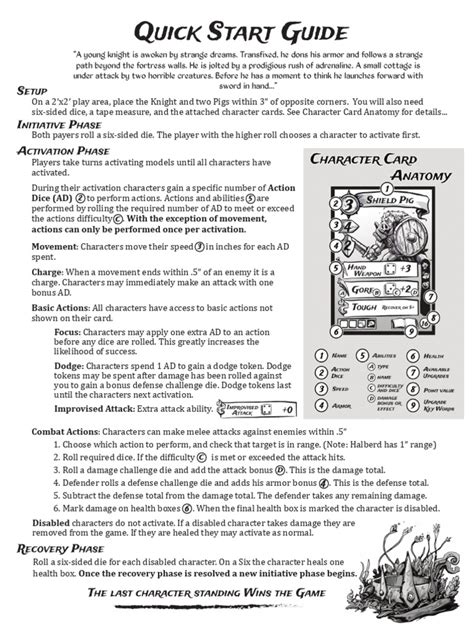
PC games, particularly genres like RPGs, strategy games, or simulations, often boast deep mechanics, intricate control schemes, and vast worlds. How-to guides for these titles must embrace complexity while still making it manageable for newcomers.
- Layered Information: Guides often start with core movement and interaction, gradually introducing more advanced systems like skill trees, crafting, or quest tracking. Information is structured to be consumed in stages.
- Comprehensive Text and Tooltips: PC players are generally more accustomed to reading. Guides can provide detailed explanations, often supplemented by tooltips that appear when hovering over UI elements.
- Dedicated Tutorial Missions/Areas: Many complex PC games feature separate tutorial campaigns or zones that allow players to experiment with mechanics without the pressure of the main game.
- Accessible Reference Material: In-game encyclopedias, wikis, or searchable help sections are common, allowing players to look up specific mechanics or items at their leisure.
- Hotkeys and Keybindings: Guides frequently emphasize and explain hotkeys, as efficient control is paramount in many PC genres.
The emphasis here is on providing thorough understanding and equipping players with the tools to master the game’s depth over time.

Bridging the Gap: Universal Principles for Effective Guides
Despite their differences, both types of how-to guides share fundamental principles that ensure their effectiveness:
- Clarity: Instructions must be unambiguous and easy to understand, avoiding jargon where possible or explaining it clearly.
- Empathy for the New Player: Guides should anticipate common struggles and provide solutions without being condescending.
- Progression: Information should build logically, starting with basics and gradually introducing more complex concepts.
- Accessibility: Options for visual, auditory, or text-based learning can cater to diverse player preferences and needs.
- Feedback: Guides should provide immediate feedback on player actions, confirming correct execution or gently correcting mistakes.
Conclusion: The Art of Tailored Guidance
Ultimately, the art of crafting how-to guides lies in tailoring the experience to the specific game and its platform. For simple mobile titles, brevity, visual cues, and immediate gratification are key. For complex PC games, depth, structured information, and comprehensive resources are paramount. By understanding these distinctions and applying universal principles of clarity and empathy, developers can create guides that effectively onboard new players, regardless of the game’s complexity, fostering a positive first impression and encouraging long-term engagement.