How do beginner guides for complex RPGs differ from simple indie game tutorials?
Navigating the Learning Curve: RPGs vs. Indie Games
The vast universe of video games offers experiences ranging from intricate, sprawling sagas to quick, delightful romps. Naturally, the way these games introduce new players to their mechanics and worlds varies dramatically. This distinction is most apparent when comparing beginner guides for complex Role-Playing Games (RPGs) with the tutorials found in simple indie titles.
While both aim to educate, their scope, depth, and pedagogical approaches are fundamentally different, tailored to the unique demands of their respective genres.
The Intricate Web of Complex RPGs
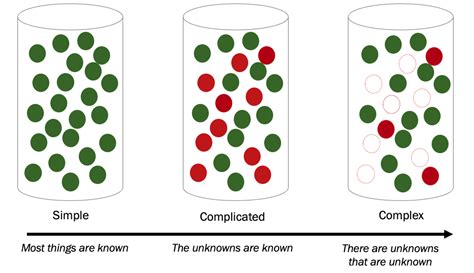
Complex RPGs, such as those in the CRPG tradition or expansive modern open-world titles, are built upon layers of interconnected systems. Players often contend with:
- Deep Lore and World-Building: Extensive backstories, factions, characters, and geographical details to absorb.
- Intricate Mechanics: Detailed combat systems, character customization (skill trees, attributes, perks), crafting, resource management, and often complex dialogue trees.
- Long-Term Progression: Decisions made early can have lasting impacts, requiring forethought for character builds and strategic resource allocation.
- Non-Linearity and Choice: Multiple pathways, quests, and moral dilemmas that shape the player’s journey.
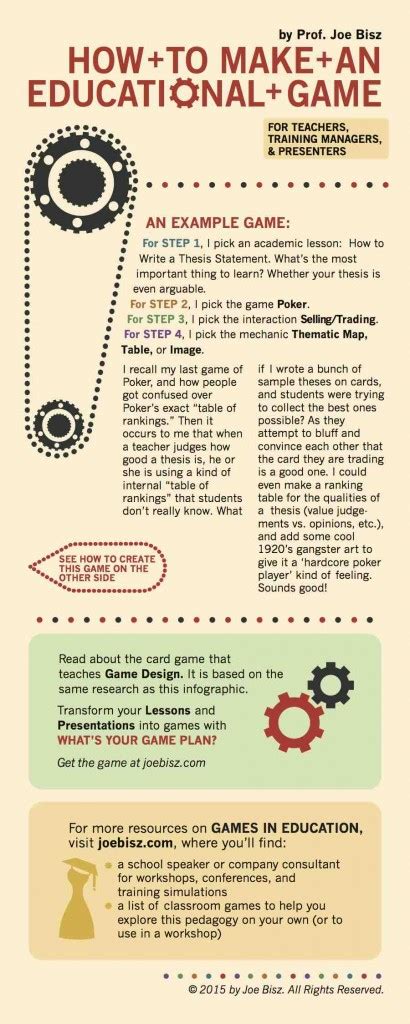
For these games, a “beginner guide” is less a tutorial and more an educational curriculum. It’s designed to prevent overwhelm, mitigate early-game frustration, and set players on a viable path for dozens, if not hundreds, of hours of gameplay.
Simple Indie Games: Immediate Immersion
In stark contrast, many simple indie games prioritize accessibility and immediate engagement. They often focus on one or two core mechanics, delivering a streamlined experience. Consider:
- Minimalist Design: Often focused on a single, innovative gameplay loop.
- Quick Learning Curve: Controls are intuitive, and objectives are clear from the outset.
- Instant Gratification: Players can grasp the basics and start having fun within minutes.
- Limited Systems: Less emphasis on character stats, deep lore, or complex inventory management.
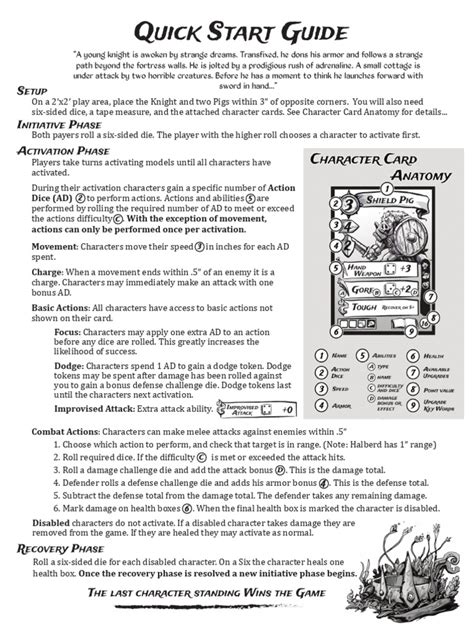
For these titles, the “tutorial” is often a quick, interactive segment integrated into the game’s opening, providing just enough information to get the player started. It might be a series of on-screen prompts or a short, guided level.

Guide Philosophy: Comprehensive Education vs. Basic Onboarding
The primary difference in guides boils down to their underlying philosophy:
RPG Guides: The Comprehensive Manual
Guides for complex RPGs are akin to a college textbook. They often break down concepts into digestible modules, covering:
- Core Mechanic Explanations: Detailed breakdowns of combat systems, magic, crafting, and interaction mechanics.
- Character Build Strategies: Recommendations for optimizing stats, skills, and equipment for various playstyles.
- Early Game Walkthroughs: Navigating initial quests, understanding the economy, and efficient resource gathering.
- Lore and Faction Overviews: Providing context for the game’s world and its inhabitants.
- Advanced Tips: Preparing players for mid to late-game challenges and complex boss encounters.
These guides often exist outside the game itself—on wikis, dedicated websites, or in community forums—reflecting the depth required to truly understand the game. They prepare players for a journey of discovery and mastery, often requiring significant time investment.
Indie Game Tutorials: The Quick Start Guide
Indie game tutorials, conversely, are more like quick-start pamphlets. Their goal is efficient onboarding:
- Control Prompts: “Press A to Jump,” “Use WASD to Move.”
- Objective Introduction: Clearly stating the immediate goal.
- Core Loop Demonstration: Briefly showcasing the primary action and its consequence.
These tutorials are almost always integrated seamlessly into the game’s opening minutes, often skippable, and designed to get players into the core gameplay loop as quickly as possible. The expectation is that players will grasp the simple rules through play, not extensive reading.
![DOWNLOAD VLC MEDIA PLAYER LATEST VERSION 2022 [Windows & Mac] » Edu ...](/images/aHR0cHM6Ly90czEubW0uYmluZy5uZXQvdGg/aWQ9T0lQLjFjemlHbDBVNXF5VlNkenJ1UTFjU0FIYUVvJnBpZD0xNS4x.webp)
The Impact on Player Experience
These differing guide approaches directly influence the player experience. A robust RPG guide transforms initial confusion into informed exploration, empowering players to make meaningful choices from the outset. Without it, the learning cliff can be steep and frustrating, potentially deterring new players.
Indie game tutorials, by being minimal and direct, remove friction and allow players to jump straight into the fun, reinforcing the game’s core appeal of accessibility and immediate enjoyment. They prioritize flow over detailed instruction.
Conclusion
Ultimately, the way a game introduces its mechanics to new players is a crucial design decision, perfectly reflecting its inherent complexity and intended player experience. Beginner guides for complex RPGs are comprehensive companions, preparing players for an epic journey requiring strategic thought and significant time investment. In contrast, simple indie game tutorials are brief, integrated lessons designed for immediate comprehension and instant gratification. Both serve their purpose admirably, ensuring that players, regardless of the game’s depth, can find their footing and begin to enjoy the experience tailored for them.