How do beginner guides for complex games best explain core mechanics without spoilers?

Navigating the Labyrinth of Learning and Discovery
Complex video games, with their intricate systems, deep lore, and sprawling worlds, present a unique challenge for guide writers: how to onboard new players effectively without spoiling the very discoveries that make these games so captivating. The goal is to equip beginners with the foundational knowledge necessary to enjoy the game, rather than overwhelm them or strip away their sense of exploration.
This balancing act requires thoughtful design and careful wording, focusing on the ‘how’ and ‘what’ of mechanics, while preserving the ‘why’ and ‘when’ for the player to uncover.
Strategies for Spoiler-Free Mechanic Explanation
To successfully guide new players through a complex game without spoiling its magic, several strategies can be employed. These methods prioritize clarity and utility without infringing on the player’s journey of discovery.
Focus on Fundamentals, Not Specific Outcomes
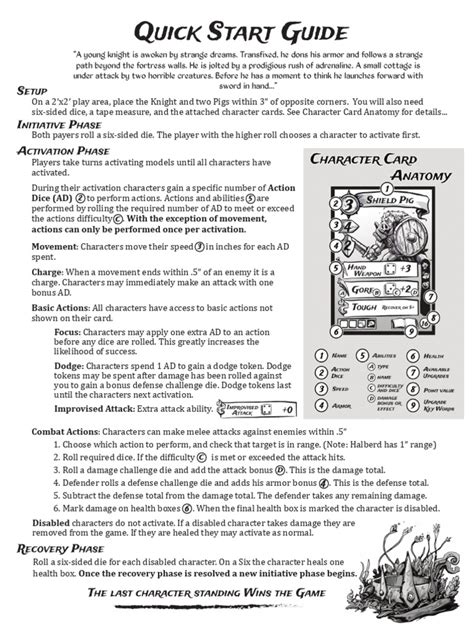
Instead of detailing the exact consequences of every action or revealing specific plot-critical uses of a mechanic, beginner guides should concentrate on the foundational principles. Explain how a crafting system works – the interface, ingredient types, and basic combination rules – rather than listing every legendary recipe or detailing how a specific rare item is used to defeat a late-game boss. The player learns the process, not the predefined solution.
Use Generic or Abstract Examples
When illustrating how a mechanic functions, create hypothetical scenarios or use abstract concepts instead of referencing specific in-game events, characters, or locations that might carry narrative weight. For instance, describe a combat system by saying, “You might combine Element A with a melee attack for Effect C,” instead of “Using the Frost Rune on the Goblin King freezes him for a critical hit.” This keeps the explanation relevant without revealing specific encounters or enemy weaknesses.
Defer Advanced Tactics and Lore
Beginner guides should stick to the absolute necessities for getting started. Avoid discussing advanced build synergies, optimal item routes for specific challenges, or deep lore implications of certain mechanics. These are elements best discovered through player experimentation and progression. Present the core mechanic in its simplest form, allowing players to build upon that knowledge naturally.
Emphasize ‘What’ and ‘How,’ Not ‘Why’ (Story-Driven)
Explain the function and operational aspects of a mechanic. For example, detail how a dialogue system works, how choices are made, and what immediate, non-narrative consequences might arise (e.g., “some choices improve faction standing, others decrease it”). The deeper narrative ‘why’—why a certain character behaves a certain way, or why a specific choice leads to a major plot branch—should be left for the player to experience firsthand.

Structure for Progressive Learning
Organize information so that players can learn as they go, avoiding overwhelming detail upfront. Start with “need-to-know” sections covering basic movement, combat, and inventory. Introduce more complex systems (like crafting, reputation, or advanced magic) only after the player has likely encountered them in the game’s opening hours. This mirrors the game’s own progression, making the guide feel like a natural companion rather than an information dump.

Encourage Experimentation and Exploration
Frame mechanics as tools for the player to explore, rather than fixed solutions to problems. By encouraging players to experiment with different combinations, abilities, or approaches, guides foster a sense of agency and discovery. This not only avoids spoilers but also deepens the player’s engagement and understanding as they forge their own path through the game.

Empowering Players Without Undermining Discovery
Ultimately, a successful beginner guide for a complex game empowers players by providing a sturdy foundation without robbing them of the joy of discovery. By meticulously focusing on fundamental mechanics, using generic examples, deferring advanced tactics, and structuring information progressively, guides can illuminate the path forward while preserving the intricate secrets that make these games so memorable. The best guides are not roadmaps to the finish line, but rather compasses that help players orient themselves in a vast and exciting new world.