How do beginner guides effectively teach complex game mechanics simply?

The Challenge: Overwhelming New Players
Modern video games, from intricate RPGs to real-time strategy epics, often boast an impressive depth of mechanics. While this complexity contributes to long-term engagement, it can be an insurmountable wall for newcomers. A beginner’s first experience with a new game can quickly turn from excitement to frustration if they are bombarded with too much information, too many buttons, or an unclear objective. The goal of a well-crafted beginner guide is to bridge this gap, transforming a daunting learning curve into an enjoyable journey of discovery.
The initial hours of gameplay are crucial for player retention. If a player feels overwhelmed or lost, they are likely to abandon the game. This is where effective simplification comes into play – not by diluting the game’s depth, but by presenting it in a structured, accessible manner that respects the player’s learning process and gradually builds their foundational understanding.

Pillars of Simplification in Beginner Guides
1. Chunking and Progressive Revelation
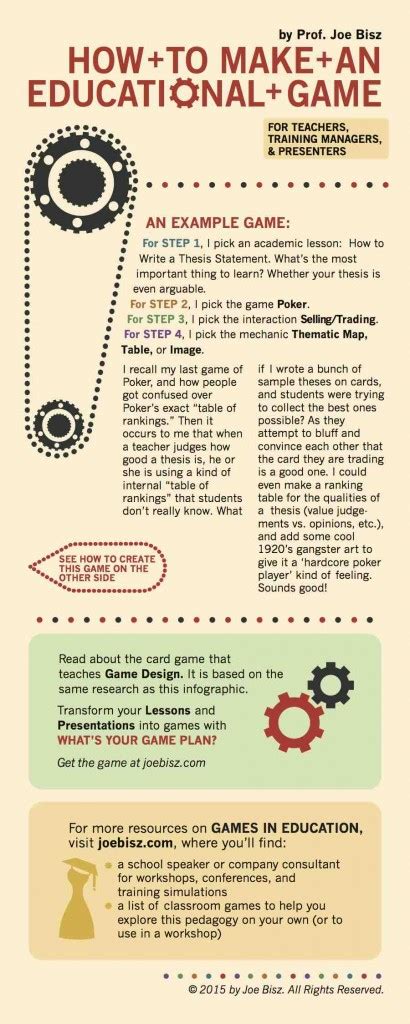
One of the most powerful techniques is ‘chunking,’ which involves breaking down large, complex systems into smaller, more manageable pieces. Instead of explaining everything about resource management, combat, and crafting all at once, a guide will introduce these concepts sequentially. Progressive revelation ensures that players learn fundamental mechanics first, then build upon that knowledge with advanced techniques, ensuring they are never asked to absorb too much information at once.
For instance, a guide might first explain basic movement and interaction, then introduce a simple combat scenario, followed by inventory management, before delving into more nuanced character builds or strategic decisions. This layered approach prevents cognitive overload and allows players to master each piece before moving to the next.
2. Visual Aids and Demonstrations
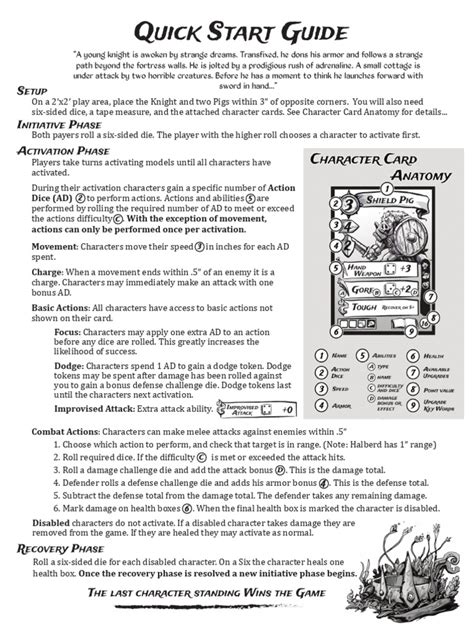
The adage “show, don’t tell” is particularly pertinent for game mechanics. Text-heavy explanations can be tedious and difficult to follow, especially for visual learners. Beginner guides often integrate screenshots, diagrams, flowcharts, and even short animated GIFs or video clips to illustrate concepts. Highlighting specific UI elements, showing action sequences, or demonstrating a sequence of inputs makes abstract instructions concrete and easy to replicate.
A diagram explaining a complex ability rotation, for example, is far more effective than several paragraphs of text. Visual cues can quickly convey information about spatial relationships, timing, and cause-and-effect that would be laborious to describe verbally.

3. Analogies and Relatability
Connecting unfamiliar game mechanics to concepts players already understand can dramatically speed up the learning process. Using analogies from real life or other popular games provides a mental shortcut, allowing beginners to grasp new ideas by relating them to known experiences. For example, explaining a game’s ‘aggro’ system by comparing it to how a bull charges the person waving a red flag makes the concept immediately understandable.
This technique grounds abstract game systems in familiar contexts, making them less alien and more intuitive. It helps players build mental models more quickly, accelerating their comprehension of how different mechanics interact.
4. Practical Application and Practice
Learning is most effective when combined with practice. Good beginner guides don’t just explain; they encourage immediate application. This might involve suggesting specific in-game challenges, recommending practice areas, or even designing the guide itself to be followed alongside actual gameplay. Many guides will walk players through their first few quests or encounters, providing real-time advice and allowing them to immediately test newly acquired knowledge.
This hands-on approach reinforces learning and helps players internalize mechanics, turning theoretical understanding into practical skill. The feedback loop of action and consequence is a powerful teacher.

Structuring the Learning Journey
An effective guide meticulously plans the player’s learning journey. It begins with the absolute basics, establishes core competencies, and then gradually introduces layers of complexity. This often means starting with essential controls and objectives, moving to basic combat or resource gathering, and then expanding into advanced strategies, character customization, or endgame content. Each section builds logically on the last, creating a coherent path for mastery.

Beyond Text: Interactive and Video Guides
While text-based guides are foundational, the digital age offers richer formats. Video guides can demonstrate dynamic actions, timing, and complex sequences with unmatched clarity. Interactive guides, whether built into the game itself or as external web applications, allow players to experiment and learn through direct manipulation, offering personalized feedback and a hands-on learning experience that goes beyond passive consumption.
Conclusion: The Art of Clarity
Effectively teaching complex game mechanics simply is an art form. It requires a deep understanding of the game, a keen awareness of common beginner pitfalls, and a thoughtful application of pedagogical principles. By employing chunking, visual aids, relatable analogies, and emphasizing practical application, beginner guides transform potentially overwhelming experiences into accessible, engaging, and ultimately rewarding journeys for new players, ensuring they can fully appreciate the depth and enjoyment a game has to offer.