How do beginner guides best simplify initial character builds for complex RPGs?

Navigating the Labyrinth: Simplifying Initial RPG Character Builds
Complex Role-Playing Games (RPGs) are renowned for their intricate worlds, deep narratives, and, often, overwhelming character creation systems. For new players, the initial dive into skill trees, stat allocations, and talent choices can be a significant barrier to entry, leading to ‘choice paralysis’ and even early abandonment. The art of a good beginner guide lies in transforming this daunting process into an accessible and enjoyable first step, setting players up for success without sacrificing the game’s inherent depth.
The Challenge: Why Complexity Overwhelms Beginners
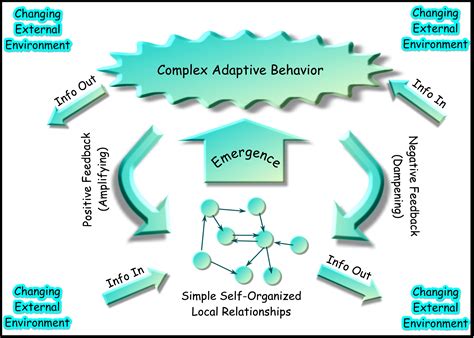
Many modern RPGs present a vast array of options from the outset: dozens of classes, hundreds of skills, intricate attribute systems, and often obscure synergies. Without a foundational understanding, beginners struggle to differentiate between optimal and detrimental choices, fearing they might ‘mess up’ their character permanently. This fear is compounded by the sheer volume of information, which can feel like deciphering an alien language without a Rosetta Stone.
Effective guides recognize that the goal isn’t to dumb down the game, but to provide a clear, illuminated path through its initial complexities. They aim to reduce the cognitive load, allowing new players to grasp core concepts before delving into advanced strategies.
Strategies for Simplifying Initial Character Builds
1. Curated Archetypes and Pre-Built Templates
One of the most effective methods is offering a few well-defined, viable starting archetypes. Instead of presenting a blank slate, guides suggest tried-and-true combinations like “Warrior,” “Mage,” or “Rogue,” complete with recommended starting stats, skills, and even early gear choices. These archetypes aren’t rigid prisons but rather sturdy foundations, allowing beginners to experience gameplay immediately and understand their chosen role.
A good guide explains *why* these archetypes work, highlighting core synergies and providing a glimpse into their playstyle. For example, a “Beginner Fire Mage” template would specify investing in Intelligence and Pyromancy skills, explaining that these choices lead to high burst damage from fire spells.
2. Guided Pathways and Step-by-Step Instructions
Rather than a wall of text, a step-by-step approach breaks down character creation into manageable chunks. Guides can walk players through each screen, explaining what each stat or skill does in simple terms and recommending choices for specific playstyles. This often involves:
- Prioritizing Key Stats: Identifying the 2-3 most crucial attributes for a chosen build and explaining their impact.
- Essential Skill Identification: Highlighting a small set of ‘must-have’ skills for early game progression.
- Avoiding Pitfalls: Gently warning against common beginner mistakes or stats that yield little benefit initially.
This hand-holding doesn’t diminish agency; it builds confidence. Players learn the language of the game as they make choices, rather than feeling lost from the start.
3. Focus on “Good Enough” Over “Optimal”
Beginner guides should emphasize viability and fun over min-maxing. The pressure to create a “perfect” character can be paralyzing. Instead, guides should aim to provide a “good enough” build that allows the player to progress and enjoy the game without feeling severely underpowered. This approach encourages experimentation later, once the player has a better grasp of the game’s mechanics and can make more informed choices.
4. Contextualizing Choices with Simple Explanations
Merely listing recommended stats isn’t enough. A superior guide explains the *impact* of those choices. “Invest in Strength for more melee damage” is good, but “Investing in Strength will make your basic sword attacks hit harder and allow you to equip heavier armor without penalty, making you more durable in close combat” is better. Relatable examples and clear outcomes help solidify understanding.
Conclusion: Empowering the New Adventurer
Ultimately, the best beginner guides for complex RPG character builds don’t just provide answers; they teach players how to *think* about their choices within the game’s system. By offering simplified pathways, clear explanations, and viable starting points, these guides empower new adventurers to overcome initial intimidation, allowing them to confidently step into rich, complex worlds and begin their epic journeys. The goal is to ignite a passion for exploration and discovery, rather than extinguish it with an impenetrable wall of numbers and options.