How do beginner guides best simplify complex game mechanics for new players?

Entering a new game, especially one with deep, intricate systems, can be an exhilarating yet daunting experience. For new players, the initial encounter with complex game mechanics can be a major barrier to entry, often leading to frustration and early abandonment. This is where well-crafted beginner guides become indispensable, acting as crucial bridges that transform complexity into understandable, digestible information. But what strategies do these guides employ to best simplify these intricate systems and foster a welcoming learning environment?
Breaking Down the Barrier: Core Principles of Simplification
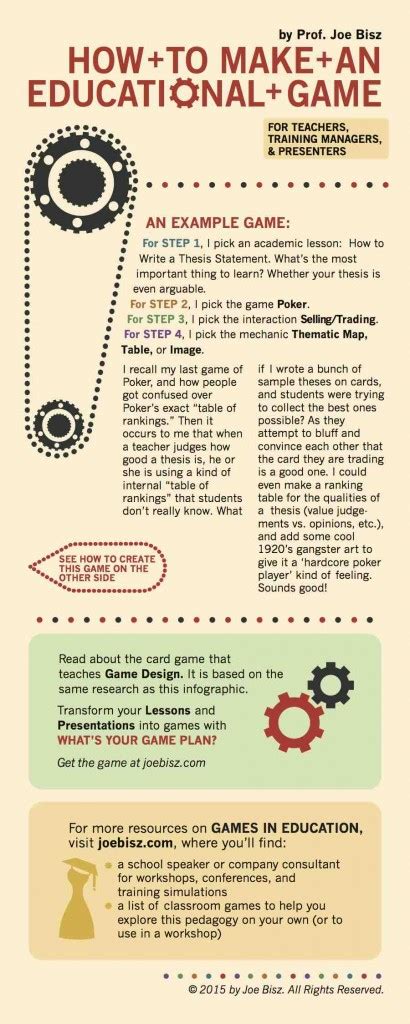
Effective beginner guides don’t just explain mechanics; they strategically dismantle them. Their approach is rooted in several core principles designed to reduce cognitive load and build player confidence gradually.
- Chunking Information: Instead of presenting an entire system at once, guides break it into smaller, manageable pieces. This allows players to master one concept before moving to the next.
- Gradual Introduction: Mechanics are introduced incrementally, often starting with the most fundamental interactions and progressively revealing deeper layers as the player demonstrates proficiency.
- Contextual Learning: Explanations are most effective when tied directly to in-game actions or immediate scenarios. Learning ‘why’ and ‘when’ to use a mechanic is as important as learning ‘how’.
- Relatability through Analogy: Complex new concepts can often be understood by drawing parallels to familiar real-world scenarios or mechanics from other games.
![15+ Games Using JavaScript [ Demo + Free Code]](/images/aHR0cHM6Ly90czMubW0uYmluZy5uZXQvdGg/aWQ9T0lQLlVtUUNDak9icXM1U1U2cUZzWEhCaEFIYUQ0JnBpZD0xNS4x.webp)
Practical Techniques for Effective Explanation
Beyond theoretical principles, successful guides utilize a variety of practical techniques to convey information clearly and effectively.
Visual Aids and Demonstrations
A picture is worth a thousand words, and in gaming, a video or an animated GIF can be even more potent. Visual guides showing button presses, ability ranges, or optimal build paths are often far more effective than text-only descriptions. They allow players to see the mechanic in action, making the abstract concrete.
Interactive Tutorials and Practice Environments
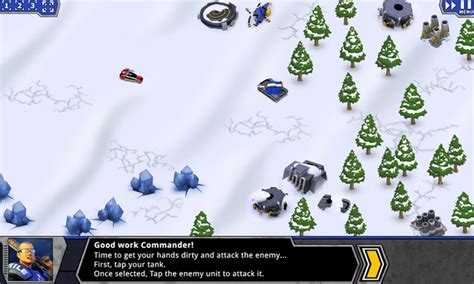
The best way to learn is by doing. Interactive tutorials, where the game pauses to explain a mechanic and then prompts the player to perform the action immediately, are highly effective. Similarly, dedicated practice arenas or ‘sandbox’ modes allow new players to experiment with mechanics without the pressure of actual gameplay, fostering a safe space for learning and discovery.
Layered Information and Progressive Disclosure
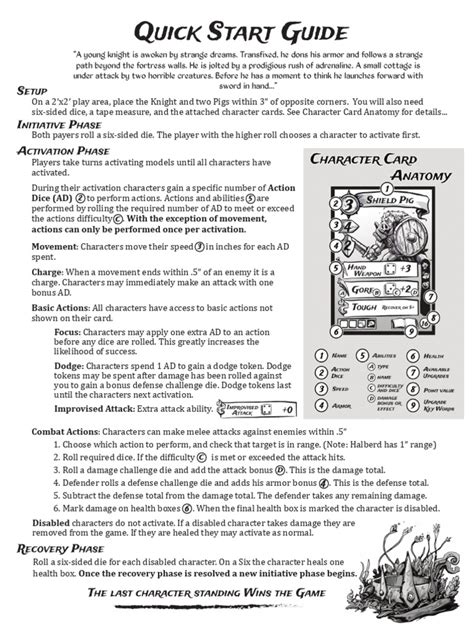
Many complex games have mechanics with multiple layers of depth. Beginner guides often introduce the basic functionality first, allowing players to get comfortable. Once the core concept is understood, the guide can then introduce more advanced nuances, exceptions, or synergies, revealing complexity as the player is ready for it. This prevents information overload at the critical initial stages.
Clear, Concise Language and Jargon Minimization
Using plain language and avoiding excessive game-specific jargon is paramount. When technical terms are unavoidable, they should be clearly defined upon their first appearance. Good guides prioritize clarity and conciseness, getting straight to the point without verbose explanations that can confuse or bore new players.
Scenario-Based Learning
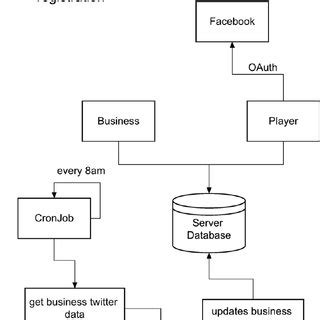
Presenting mechanics within specific, relatable in-game scenarios helps players understand their practical application. Instead of just explaining ‘what an ability does,’ a guide might explain ‘when and why to use this ability during a specific encounter,’ offering strategic context.
Avoiding Common Pitfalls
While aiming to simplify, guides must also avoid common missteps:
- Information Overload: Dumping too much information at once, regardless of how well-written, can overwhelm new players.
- Assuming Prior Knowledge: Never assume a new player understands basic gaming conventions or specific genre tropes.
- Poor Pacing: Introducing advanced concepts before basic ones are mastered can lead to frustration.

Conclusion
The art of simplifying complex game mechanics for new players lies in a thoughtful blend of pedagogical principles and practical execution. By breaking down information, utilizing visual and interactive aids, employing layered disclosure, and maintaining clear communication, beginner guides transform potentially intimidating experiences into enjoyable learning journeys. Ultimately, a well-designed guide not only teaches players the ropes but also fosters a deeper appreciation for the game’s design, ensuring better retention and a more robust, engaged player community.