How do beginner guides best reduce initial overwhelming game setup for players?

Starting a new game, especially one with complex mechanics, vast worlds, or extensive customization options, can often feel like diving into the deep end. The initial setup — understanding controls, navigating menus, configuring settings, and grasping core concepts — can be overwhelming for new players, leading to frustration and even abandonment before the real fun begins. This is where well-crafted beginner guides become indispensable tools for successful player onboarding.
Understanding the Initial Overwhelm
The sensation of overwhelm stems from several factors. Players might be confronted with a barrage of information, a labyrinthine user interface, or a perceived requirement to make critical decisions before they even understand their implications. From choosing character classes and skill trees to optimizing graphics settings and keybindings, the sheer volume of choices and information can be a significant barrier to entry. A guide’s primary role, therefore, is to gently lead players through this initial gauntlet, transforming potential frustration into engagement.

Strategies for Effective Setup Reduction in Guides
To truly mitigate the initial setup shock, beginner guides should employ several key strategies, moving beyond simple instruction manuals to become supportive companions.
Phased Introduction and Progressive Revelation
Instead of dumping all information at once, effective guides break down the setup process into manageable, sequential steps. This means introducing core mechanics and settings only when they are relevant, allowing players to build their understanding incrementally. For instance, rather than explaining every graphics option immediately, a guide might suggest a “recommended” preset and then explain more advanced options later in the game or in a separate, more detailed section.
Clear, Concise Language and Visual Aids
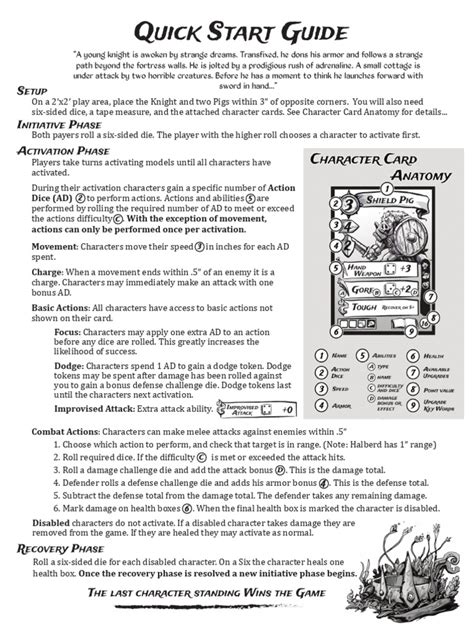
Jargon and technical terms can be intimidating. Guides should use plain language and explain complex concepts simply. Crucially, they should heavily incorporate screenshots, annotated diagrams, and short video clips (even just static images within the guide can imply this) to visually demonstrate steps. “Show, don’t just tell” is paramount when dealing with UI navigation or specific button presses.
Focus on “Must-Knows” First
A common pitfall is attempting to cover everything. The best guides prioritize essential information that enables immediate gameplay. What controls are absolutely necessary? What settings must be configured to start? What’s the most straightforward path to begin the first quest or match? Advanced tips, lore, and optimization strategies can be deferred until the player has a solid foundation.

Interactive and Contextual Learning
While external guides are valuable, in-game tutorials often work best when they are interactive. Guides can encourage players to follow along with in-game prompts. For external guides, suggesting specific actions (“Now, open the ‘Options’ menu and navigate to ‘Video'”) turns passive reading into active learning. Contextual help, such as tooltips that appear when hovering over complex settings, also complements the guide’s advice.
Providing Recommended Setups and Starting Points
For games with extensive character creation or configuration, guides can offer “recommended builds” or “starter setups.” This takes the burden of choice off the player, allowing them to jump straight into the action with a viable configuration. Players can always revisit and customize later once they understand the game better.

The Impact of a Great Beginner Experience
When a beginner guide successfully navigates players through the initial setup, the benefits are far-reaching. Players are less likely to quit prematurely, more likely to enjoy the game from the outset, and better equipped to explore its depths. A positive initial experience fosters loyalty and encourages players to delve deeper into the game’s mechanics and community. It transforms a potential hurdle into a smooth ramp, inviting players into the core experience without unnecessary friction.

Conclusion
Reducing initial game setup overwhelm is not just about writing instructions; it’s about crafting an empathetic onboarding experience. Beginner guides, whether in-game or external, serve as vital bridges, transforming potentially daunting first steps into confident strides. By prioritizing clarity, visual support, phased learning, and essential information, these guides ensure that new players can quickly move past the setup screen and immerse themselves in the joy of discovery and play.