How do beginner game guides prevent information overload while teaching core mechanics?

The Challenge of Onboarding New Players
Introducing new players to a game’s core mechanics is a delicate balance. Too much information too soon, and you risk overwhelming them, leading to frustration and disengagement. Too little, and they might feel lost. Beginner game guides, whether in-game tutorials or external resources, must master the art of delivering essential knowledge incrementally and engagingly. The goal is to build a foundation of understanding without causing information overload.

Progressive Revelation and Scaffolding
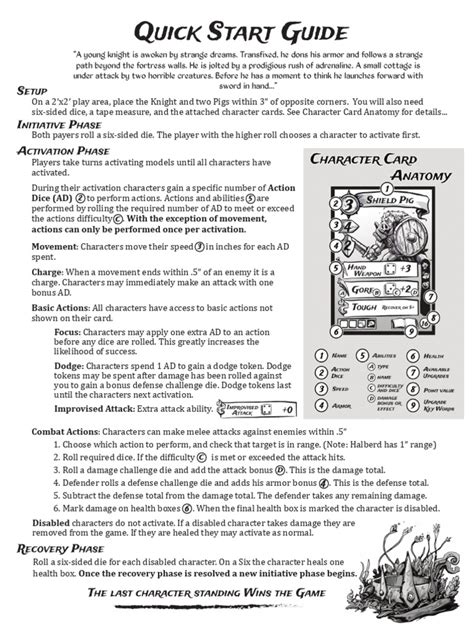
One of the most effective techniques is progressive revelation, also known as scaffolding. This approach introduces concepts and mechanics one at a time, building complexity as the player masters each element. Instead of dumping a comprehensive manual on a new player, guides often start with the absolute essentials: movement, basic interaction, and primary attack/ability. Once these are understood, subsequent mechanics, like inventory management, advanced combat, or skill trees, are introduced. This layered learning prevents cognitive overload by focusing attention on a single new piece of information at a time.
Focus on ‘Need-to-Know’ vs. ‘Nice-to-Know’
Beginner guides prioritize ‘need-to-know’ information. What must a player understand to successfully complete the first few objectives or survive initial encounters? Details about intricate lore, advanced strategies, or highly specific item stats are usually deferred until later stages. By stripping away extraneous information, guides ensure that players grasp the fundamental concepts necessary to play and enjoy the game, fostering a sense of accomplishment rather than confusion.
Learning by Doing: Practical Application
Theoretical explanations alone are rarely sufficient for learning game mechanics. Effective guides integrate practical application directly into the learning process. This often takes the form of interactive tutorials or guided quests that require the player to immediately use the newly introduced mechanic. For example, a guide might explain how to equip an item, then prompt the player to open their inventory and equip a specific item. This hands-on experience solidifies understanding and makes the learning process more engaging and memorable.
Clear Language, Visual Aids, and Repetition
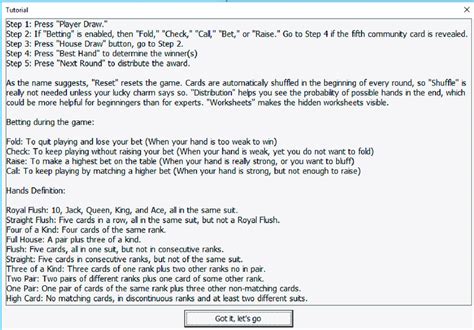
Clarity is paramount. Guides use simple, concise language, avoiding jargon where possible or explaining it clearly when necessary. Visual aids, such as highlighted UI elements, illustrative screenshots, or short video clips, are incredibly powerful tools. They can convey complex information much faster and more effectively than text alone. Furthermore, subtle repetition and reinforcement of core concepts throughout the early game help solidify learning without feeling overtly didactic. This can be achieved through quest objectives, tooltips, or NPC dialogue.
Chunking Information and Interactive Elements
Breaking down information into smaller, digestible chunks (chunking) is another key strategy. Instead of long paragraphs, guides often use bullet points, numbered lists, or short, focused sections. Interactive elements like clickable glossary terms, pop-up explanations, or mini-quizzes within a guide can further enhance learning by allowing players to control their pace and delve deeper into topics as needed. This self-directed learning helps prevent feeling overwhelmed by presenting information on demand rather than all at once.

Conclusion: Guiding Without Overwhelming
Preventing information overload while effectively teaching core mechanics is an art form. It requires careful design, understanding of cognitive load, and a player-centric approach. By employing progressive revelation, focusing on ‘need-to-know’ information, integrating practical application, utilizing clear language and visual aids, and chunking content, beginner game guides successfully onboard new players. They transform what could be a daunting initial experience into an accessible and enjoyable introduction, paving the way for deeper engagement and long-term player retention.