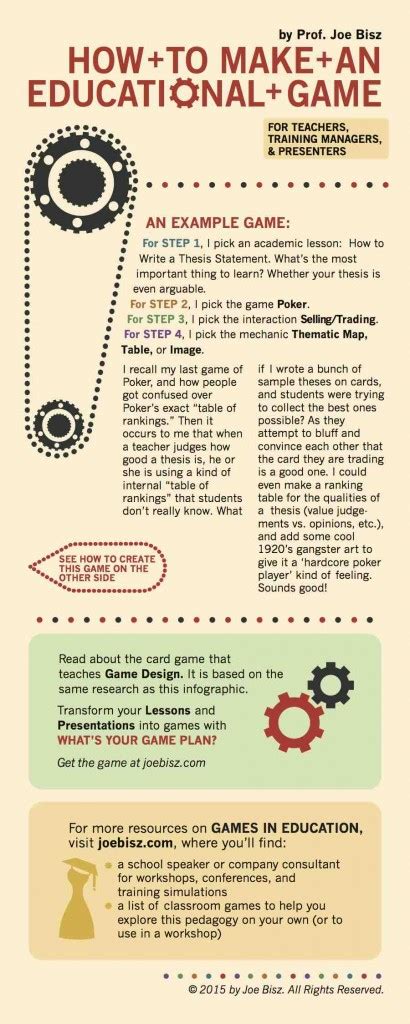
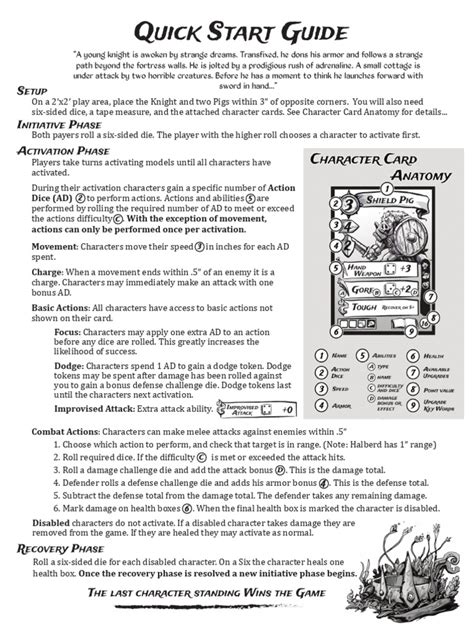
How do beginner game guides best simplify complex initial mechanics for new players?

Navigating the Learning Curve: Why Beginner Guides are Essential
For new players, stepping into a complex game can feel like being thrown into the deep end of a swimming pool. Intricate control schemes, unfamiliar terminology, and layered systems can be overwhelming. Beginner game guides play a crucial role in transforming this potential frustration into an engaging learning experience. They act as a bridge, carefully guiding players across the chasm of complexity, ensuring they grasp fundamental mechanics without feeling lost or discouraged. But what are the most effective strategies these guides employ to simplify the seemingly insurmountable?
The Progressive Onboarding Approach
One of the most powerful techniques is the gradual introduction of information. Instead of dumping all knowledge at once, effective guides break down mechanics into bite-sized, digestible chunks.
Tutorials and Guided Play
Structured tutorials are the cornerstone of this approach. They typically start with basic movement and interaction, slowly building up to more complex actions like combat, resource management, or crafting. Each step is often isolated, allowing players to master one concept before moving to the next. This guided, hands-on experience is far more effective than simply reading a manual.
Drip-Feeding Information
Beyond initial tutorials, many guides continue to drip-feed information as the game progresses. New mechanics are introduced only when they become relevant to the player’s current situation, rather than upfront when they might be quickly forgotten. This contextual delivery ensures that players understand the ‘why’ behind a mechanic, not just the ‘how’.

Visual Clarity and Intuitive Design
Humans are highly visual learners, and game guides leverage this extensively.
Effective UI/UX for Learning
A well-designed user interface (UI) and user experience (UX) are paramount. Guides often highlight key elements on the screen, use arrows to direct attention, or color-code important information. On-screen prompts that fade away once understood help keep the interface clean while still providing crucial guidance.
Visual Aids and Demonstrations
Beyond the UI, guides utilize screenshots, animated GIFs, or short video clips to demonstrate actions. Seeing a character execute a specific move or a menu item being selected can clarify instructions far better than text alone. Diagrams can break down complex relationships between systems, such as skill trees or item crafting recipes.

Learning by Doing: Contextual and Practical Application
Theoretical knowledge is only half the battle; practical application solidifies understanding.
Scenario-Based Learning
Effective guides don’t just explain mechanics; they provide immediate opportunities to use them. For instance, after explaining how to use a basic attack, the guide might immediately present a weak enemy to practice on. This immediate application reinforces the lesson and builds muscle memory.
Immediate Feedback Loops
Players need to know if they’re performing actions correctly. Guides often integrate immediate feedback, such as on-screen messages (e.g., “Good job!” or “Try again”), visual cues (e.g., damage numbers, hit markers), or audio confirmations. This instant validation (or correction) is crucial for effective learning.

Simplifying Language and Pacing
The way information is presented, not just what is presented, significantly impacts comprehension.
Jargon-Free Explanations
Beginner guides meticulously avoid or immediately explain game-specific jargon. Instead of “aggro management” or “DPS rotation,” they might say “how to draw enemy attention” or “the best sequence of attacks.” Clear, concise language removes unnecessary barriers to understanding.
Pacing and Repetition
Allowing players enough time to absorb and practice new information is vital. Guides that rush through explanations risk overwhelming players. Furthermore, gentle repetition of key concepts, perhaps through different scenarios or slightly varied contexts, helps to embed the knowledge more deeply.

Empowering Players with Resources and Encouragement
Even the best guided experiences won’t cover every edge case or answer every future question.
In-Game Encyclopedias and Tooltips
Providing easily accessible in-game resources, such as a glossary of terms, an encyclopedia of items/abilities, or context-sensitive tooltips when hovering over UI elements, allows players to seek information independently when they need it. This empowers them to solve problems on their own, fostering a sense of accomplishment.
Positive Reinforcement
Finally, encouragement goes a long way. Guides that use positive language, celebrate small victories, and reassure players that difficulty is part of the learning process can significantly boost confidence and motivation to continue playing. Building a positive initial experience is key to player retention.
Conclusion
Simplifying complex initial mechanics for new players isn’t about dumbing down a game; it’s about intelligent design and empathetic instruction. By employing progressive onboarding, clear visual cues, hands-on learning, jargon-free language, proper pacing, and readily available resources, beginner game guides transform potentially frustrating experiences into rewarding journeys. They equip new players with the foundational knowledge and confidence needed to explore, engage with, and ultimately master the intricate worlds developers create, ensuring a more enjoyable and lasting gaming experience for everyone.