How do beginner game guides best explain core systems without info overload?

The Balancing Act: Guiding New Players Through Complexity
Stepping into a new video game, especially one with deep mechanics or intricate systems, can be both exciting and daunting. For beginner guides, the ultimate challenge is to illuminate these core systems without drowning new players in an overwhelming deluge of information. The goal isn’t merely to list features but to cultivate understanding and proficiency, allowing players to grasp the fundamentals and build confidence.
A well-crafted guide anticipates confusion and acts as a patient mentor, breaking down complexity into digestible, actionable insights. It transforms a potential barrier to entry into a smooth learning curve, ensuring new players feel empowered rather than intimidated.
Progressive Revelation: The Layered Approach
One of the most effective strategies is progressive revelation, also known as a layered approach. Instead of front-loading every single detail, guides introduce fundamental mechanics first. For instance, explaining basic movement and combat before delving into advanced skill trees or crafting systems. This allows players to master one concept before moving on to the next, building a solid foundation of knowledge piece by piece.
This method mirrors how many games structure their in-game tutorials, gradually expanding on prior knowledge as the player progresses through early stages of the game. A good guide reflects this by structuring its content similarly, presenting information in a logical, escalating order of complexity.

Contextual Learning and ‘Show, Don’t Tell’
Information is best absorbed when it’s immediately relevant. Beginner guides excel when they explain systems in the context of the player’s current tasks or immediate goals. For example, explaining how to use a specific inventory item right before the player encounters a situation where it’s needed, rather than listing all inventory items at once.
Furthermore, adopting a ‘show, don’t tell’ philosophy is crucial. While a written guide can’t literally show, it can use vivid descriptions, clear examples, and even suggested in-game scenarios to illustrate a point. Instead of just stating what a stat does, explain *how* it impacts gameplay and give an example of a situation where its effects would be noticeable.

Prioritization and Chunking Information
Not all information is equally important for a beginner. Effective guides prioritize, focusing on the absolute core mechanics necessary to play and enjoy the game. Advanced tactics or niche mechanics can be relegated to later sections or even separate, more advanced guides.
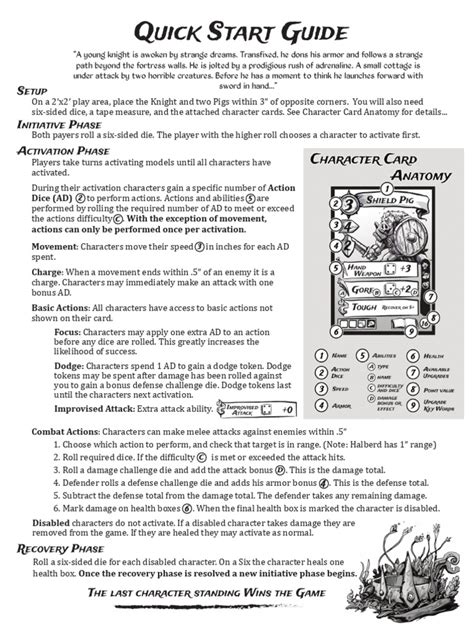
Once core information is identified, it should be ‘chunked’ – broken down into smaller, manageable segments. This means using clear headings, subheadings, short paragraphs, bullet points, and numbered lists. These structural elements make the content less visually intimidating and easier to skim, allowing players to quickly find and absorb specific pieces of information without feeling overwhelmed by dense text blocks.

Empowering Through Practice: Encouraging Application
While a static guide can’t offer interactive practice, it can and should encourage it. After explaining a core system, a guide can prompt the reader to immediately try it out in the game. For instance, after explaining how to equip gear, it might suggest: “Now, open your inventory and try equipping the shield you just found.” This reinforces learning by moving from theory to practical application.
Guides can also describe how typical in-game tutorials utilize “learn-by-doing” quests, helping players understand the *intent* behind those mechanics and better apply them even outside the tutorial’s structure. By bridging the gap between reading and doing, guides facilitate deeper understanding and retention.

Concise Language and Visual Clarity
Finally, the language itself plays a critical role. Beginner guides must use clear, concise language, avoiding jargon whenever possible. If technical terms are necessary, they should be immediately defined in simple terms. Short sentences, active voice, and straightforward explanations are far more effective than verbose or overly academic prose.
Beyond language, visual clarity in the guide’s presentation (even without actual images in the text) is paramount. Strategic use of bold text for keywords, consistent formatting, and ample white space all contribute to a guide that is easy on the eyes and, consequently, easier to process. This attention to detail ensures that the player’s mental energy is focused on understanding the game, not deciphering the guide itself.

Conclusion
Mastering the art of explaining core game systems without info overload requires a thoughtful, player-centric approach. By employing strategies like progressive revelation, contextual learning, careful prioritization, chunking information, encouraging practical application, and maintaining linguistic and visual clarity, beginner game guides can transform complex mechanics into accessible lessons. The best guides don’t just inform; they empower new players to confidently explore and enjoy the vast worlds laid out before them.