How do beginner game guides best explain core mechanics without jargon?

Making Game Mechanics Accessible to New Players
For newcomers to a game, the initial learning curve can be daunting. Many games rely on complex systems and specialized terminology that veteran players understand implicitly but can utterly confuse a beginner. The key to a successful beginner guide lies in its ability to strip away the complexity and present core mechanics in a way that is immediately understandable and actionable, without resorting to alienating jargon.
The Importance of Clear, Jargon-Free Communication
Imagine trying to learn a new language while everyone around you speaks in complicated metaphors and obscure acronyms. That’s often how new players feel when confronted with terms like ‘aggro management,’ ‘DPS rotations,’ ‘crowd control,’ or ‘resource generation’ without proper context or explanation. A good guide doesn’t just define these terms; it illustrates their practical impact on gameplay using simple, everyday language.
The goal is to empower players, not to intimidate them. By focusing on clarity, guides can help beginners build a foundational understanding that allows them to enjoy the game sooner and learn more advanced techniques later.

Strategies for Explaining Core Mechanics Simply
1. Use Relatable Analogies and Real-World Comparisons
Connecting abstract game concepts to familiar real-world scenarios is one of the most powerful tools for explanation. For example, instead of explaining ‘cooldowns’ as an internal game timer preventing ability spam, you could describe it as needing to ‘recharge your special ability, just like how a camera flash needs time to power up between photos.’ Or, equate a ‘health bar’ to ‘your phone battery – when it’s low, you need to recharge!’
These analogies immediately bridge the gap between the unknown game system and a player’s existing knowledge base, making the concept intuitive rather than something to be memorized.
2. Prioritize Visuals and Contextual Demonstrations
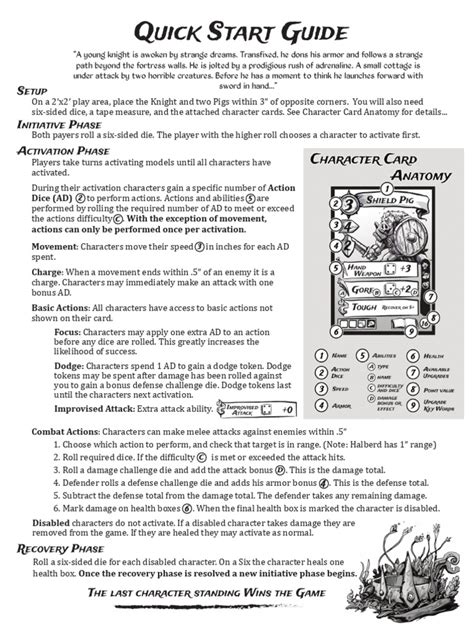
A picture is worth a thousand words, especially in game guides. Instead of just describing how to perform a ‘combo,’ show a visual sequence of button presses or character actions. Use screenshots with highlighted elements, diagrams, or short animated examples (even if just described in text) to illustrate movement, ability effects, or UI elements. When explaining an ability, show what it *looks* like when used and *what effect it has* on enemies or allies.
Explaining mechanics *in context* of actual gameplay scenarios makes them more concrete. Rather than a dry definition, show how a specific mechanic helps overcome a challenge or achieve a goal within the game world.

3. Break Down Complex Concepts into Small, Manageable Steps
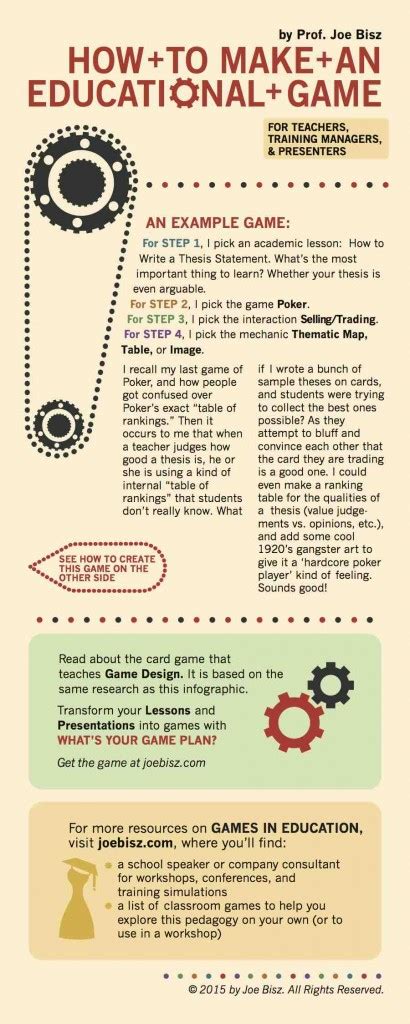
Many core mechanics, especially in strategy or RPGs, are systems with multiple interconnected parts. A good guide dissects these systems into their smallest components and introduces them one at a time. For instance, explaining ‘crafting’ might start with ‘gathering raw materials,’ then move to ‘combining materials,’ and finally ‘producing an item,’ rather than presenting the entire crafting menu at once.
This incremental approach prevents information overload, allowing players to build their understanding piece by piece and practice each step before moving on to the next.

4. Focus on ‘What It Does’ Before ‘What It’s Called’
When introducing a new concept, first explain its function and impact on gameplay using simple terms. Only *after* the player grasps the ‘what’ and ‘why’ should you introduce the official game-specific jargon. For example, you might first explain, ‘This bar fills up as you attack enemies, and when it’s full, you can unleash a powerful move.’ Then, and only then, introduce the term: ‘This is called your ‘Ultimate Meter.”
This approach ensures that the player understands the concept’s utility before getting bogged down in terminology, making the jargon less intimidating when it is finally presented.

5. Encourage Immediate Interactive Practice
The best way to solidify understanding is through doing. A guide can describe mechanics perfectly, but practical application is crucial. Suggesting specific in-game scenarios where players can immediately try out a newly explained mechanic (e.g., ‘Try this move on the training dummy in the hub area’) helps embed the knowledge. Providing clear feedback on success or failure reinforces learning.
Even if the guide itself isn’t interactive, advising players to pause and practice a concept before moving on can significantly improve retention and comprehension.

Conclusion
Crafting effective beginner game guides without jargon is an art that prioritizes empathy for the new player experience. By employing relatable analogies, clear visuals, step-by-step instructions, and focusing on function over terminology, guides can transform complex game mechanics into understandable concepts. This approach not only makes games more accessible but also fosters a more welcoming environment for new players, helping them to quickly grasp the fundamentals and dive into the fun.
Ultimately, a successful beginner guide isn’t just about conveying information; it’s about building confidence and ensuring that the initial hours with a new game are filled with discovery and enjoyment, rather than frustration and confusion.