How do beginner game guides balance core mechanics with avoiding new player overwhelm?

The Delicate Dance: Guiding Without Overwhelming
For any new player diving into a game, especially one with complex systems, the initial experience can be a make-or-break moment. A well-crafted beginner guide acts as a crucial bridge, introducing core mechanics effectively while simultaneously preventing information overload. The challenge lies in this delicate balance: providing enough guidance to feel competent, but not so much that the player feels suffocated by a deluge of details. Striking this equilibrium is an art form that transforms potential frustration into engaging discovery.
Progressive Revelation: Pacing the Learning Curve
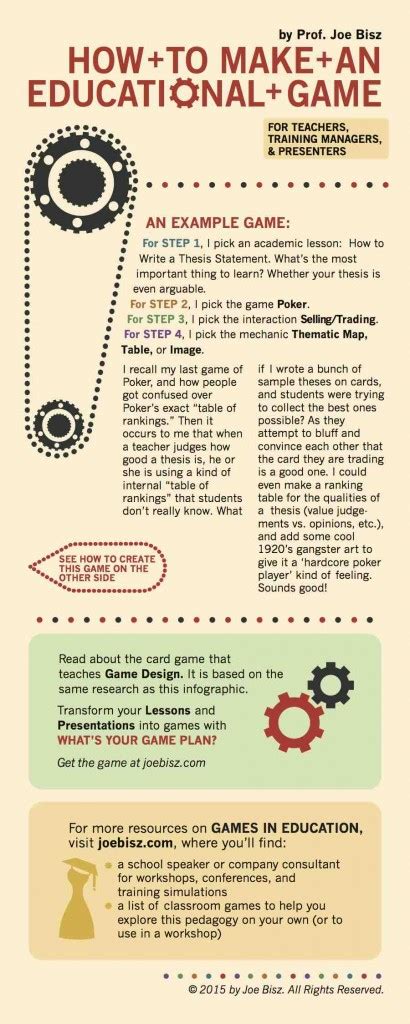
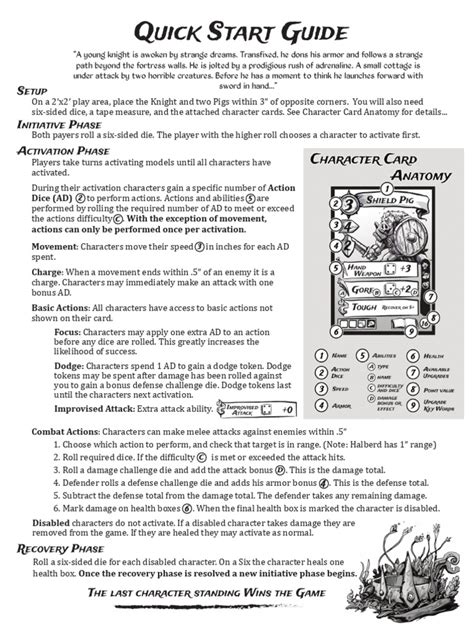
One of the most effective strategies beginner guides employ is progressive revelation. Instead of dumping all information upfront, mechanics are introduced incrementally, often as they become relevant within the game world. This might mean starting with basic movement and interaction, then gradually layering on combat, inventory management, crafting, or skill trees. This staggered approach allows players to master foundational concepts before moving on to more complex systems, building confidence and understanding step-by-step.
Prioritizing Essentials: What New Players Need First
A good guide understands that not all mechanics are created equal in the early game. It prioritizes the absolutely essential systems needed for immediate progression and enjoyment, deferring advanced or optional mechanics for later. This focus ensures that players grasp the core loop of the game—what they need to do to play and have fun—without getting bogged down by intricacies that won’t matter for hours. Explicitly stating what is crucial versus what can be explored later helps manage expectations and focus attention.
Clear Communication and Visual Aids
Clarity is paramount. Beginner guides must use simple, direct language, avoiding jargon wherever possible or explaining it clearly when necessary. Visual aids, such as annotated screenshots, short GIFs, or instructional videos embedded within the guide, can dramatically improve comprehension. Showing a player how to do something is often far more effective than simply telling them. These visual cues break up text, highlight key elements, and provide immediate context, making complex processes seem more manageable.

Interactive Learning and Contextual Help
The best guides often go beyond static text. They might incorporate interactive elements, such as clickable sections that reveal more detail, quizzes to test understanding, or direct links to in-game tutorials. Contextual help, which pops up only when a player encounters a specific new mechanic or item, is also invaluable. This just-in-time learning means information is delivered precisely when it’s most relevant and useful, minimizing cognitive load and maximizing retention. It transforms the guide from a passive resource into an active learning tool.

Avoiding Analysis Paralysis: Encouraging Exploration
While comprehensive, a beginner guide should never aim to be exhaustive in a way that discourages exploration. It should provide enough foundational knowledge to get started, then gently encourage players to experiment and discover on their own. This means steering clear of overly rigid step-by-step paths for every single scenario and instead focusing on principles and strategies that apply broadly. Offering ‘tips and tricks’ rather than strict rules can foster a sense of agency and reduce the feeling of needing to memorize everything.

Conclusion: The Welcoming Path to Mastery
Balancing core mechanics with avoiding new player overwhelm is a sophisticated task. It requires thoughtful design, a deep understanding of the player’s journey, and a commitment to clear, progressive communication. By embracing strategies like incremental learning, prioritizing essential information, leveraging visual and interactive elements, and fostering a spirit of exploration, beginner game guides can successfully transform a daunting new world into an inviting adventure. The goal is not just to teach, but to empower, ensuring that every new player feels welcomed and capable of mastering the game’s depths at their own pace.