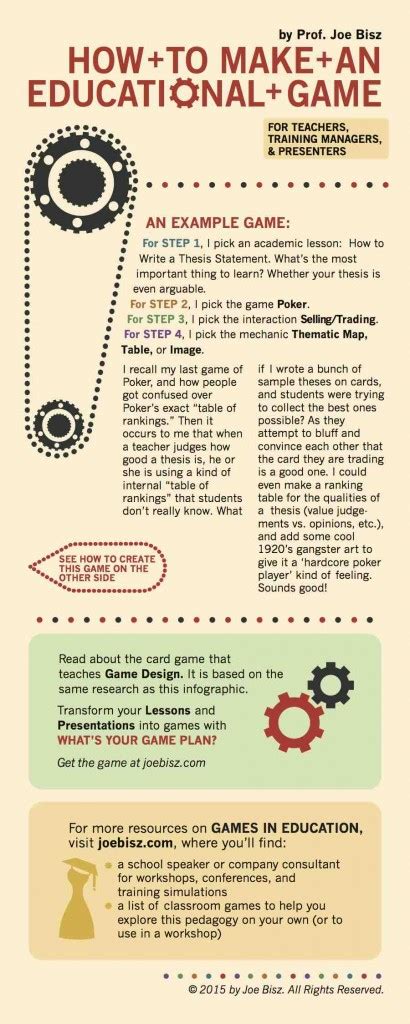
How do beginner game guides adapt for vastly different game complexities?

Navigating the Learning Curve: The Art of Beginner Game Guides
The gaming world offers an astonishing spectrum of experiences, from simple, pick-up-and-play mobile titles to sprawling, intricate grand strategy games and deeply complex role-playing sagas. This vast difference in complexity presents a unique challenge for beginner game guides: how do you effectively introduce a new player to any game, regardless of its inherent depth? The answer lies in sophisticated adaptation strategies that tailor the learning experience to the game’s specific demands.

Understanding the Complexity Spectrum
Before adapting, a guide must first understand the game’s complexity. Simple games typically have few core mechanics, direct objectives, and immediate feedback loops. Think of puzzle games, arcade classics, or casual mobile titles where the learning curve is almost flat. Players can grasp the basics in minutes.
Complex games, on the other hand, feature multiple interlocking systems, deep strategic layers, emergent gameplay, and often a steeper, more prolonged learning curve. Examples include sandbox survival games, real-time strategy titles, complex simulations, or massive multiplayer online games (MMOs). Here, simply listing controls isn’t enough; players need to understand why and how systems interact.
Strategies for Simple Games: Clarity and Immediate Engagement
For less complex games, beginner guides prioritize directness and quick engagement. The goal is to get players enjoying the game as fast as possible. Key strategies include:
- Direct Instruction: Clear, concise explanations of basic controls and immediate objectives.
- Core Loop Focus: Immediately highlight the primary gameplay loop (e.g., “Collect coins to unlock new levels”).
- Visual Cues: Heavy use of highlighted UI elements, simple diagrams, or animated GIFs to show actions rather than just describe them.
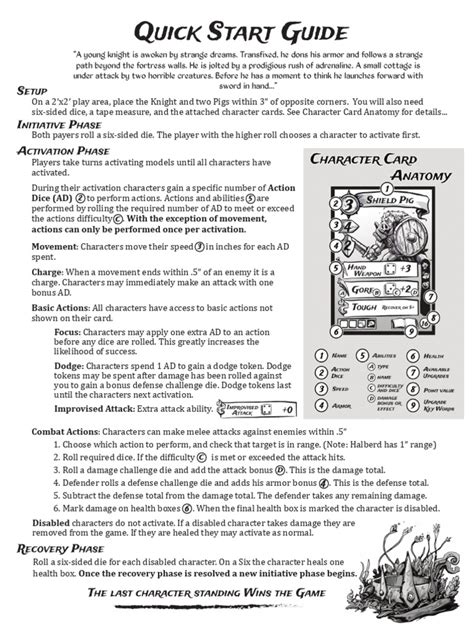
- Quick Start Sections: Often just a paragraph or two, allowing players to dive in with minimal reading.
These guides are about removing friction and ensuring the player experiences early success, fostering a positive first impression.
Adapting for Complex Games: The Progressive Disclosure Model
Guiding beginners through complex games requires a more nuanced approach, often employing a principle known as progressive disclosure. The aim is to introduce information and mechanics gradually, preventing cognitive overload and building understanding layer by layer.
Layered Learning and Prioritization
Complex game guides break down the learning process into manageable chunks:
- Essential Mechanics First: Focus on the absolute minimum required to interact with the game. This might be basic movement, combat, or resource gathering, deferring advanced topics.
- Modular Sections: The guide is often divided into distinct chapters or sections, each dedicated to a specific system (e.g., “Combat Basics,” “Inventory Management,” “Crafting System”). This allows players to learn at their own pace and revisit specific topics.
- Tiered Information: Information might be presented with “Beginner,” “Intermediate,” and “Advanced” sections, clearly demarcating the depth of detail.

Visual Aids, Examples, and Problem-Solving
Visuals become even more critical in complex game guides:
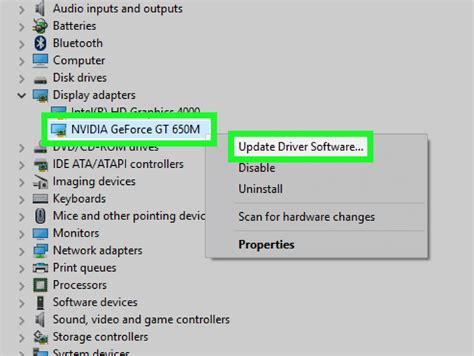
- Detailed Screenshots & Diagrams: Essential for explaining intricate user interfaces, skill trees, item synergies, or complex resource production chains.
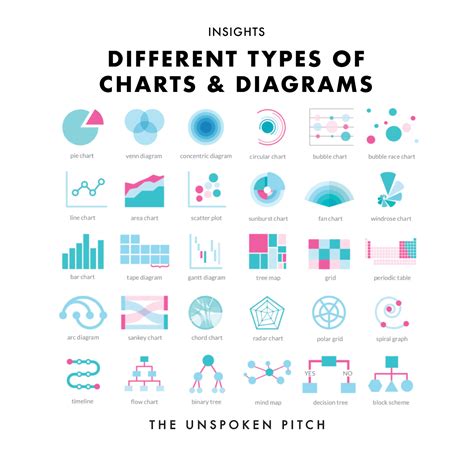
- Flowcharts & Decision Trees: Illustrate cause-and-effect relationships or optimal decision paths for strategic choices.
- Walkthroughs of Specific Scenarios: Instead of explaining every possibility, guides might walk through a common early-game scenario, demonstrating key principles in action.
- Teaching How to Learn: Empowering players to understand game mechanics and troubleshoot issues themselves, rather than just providing a list of instructions. This might involve explaining game logic or how to use in-game encyclopedias.
Key Principles for Effective Adaptation
Regardless of complexity, successful beginner guides share common underlying principles:
- Audience Awareness: Understanding whether the target player is a complete novice or someone familiar with similar genres.
- Clarity and Conciseness: Avoiding jargon where possible and explaining terms when necessary.
- Accessibility: Using clear formatting, headings, bullet points, and visuals to make information digestible.
- Feedback and Reinforcement: Encouraging players to experiment and providing context for their actions.

Conclusion
Beginner game guides are not a one-size-fits-all solution; they are carefully crafted tools designed to bridge the gap between a new player and a game’s inherent difficulty. By understanding the spectrum of game complexities and employing tailored strategies—from direct instruction for simple games to progressive disclosure, modular breakdowns, and rich visual aids for complex ones—these guides ensure that every player, regardless of the game they choose, can embark on their adventure with confidence and a solid foundation for enjoyment and mastery.