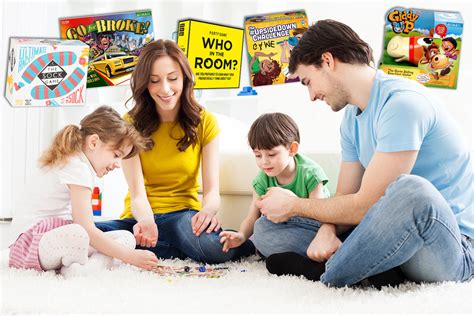
How can we find cozy family games enjoyable for all skill levels and ages?

The Quest for Universal Fun: Defining Cozy Family Games
Finding a game that genuinely delights every member of a multi-generational family can feel like searching for a mythical creature. Toddlers, teenagers, parents, and grandparents often have vastly different ideas of what constitutes ‘fun.’ The key lies in seeking out ‘cozy family games’ – those that foster connection, minimize pressure, and offer accessible enjoyment regardless of age or skill level.
A cozy game isn’t necessarily about competitive intensity; it’s about shared experience, laughter, and a low barrier to entry. It’s the kind of game that invites everyone to the table, making memories without the stress of complex rules or fierce rivalry.

Key Characteristics of Inclusive Family Games
To successfully identify games that resonate with everyone, look for titles embodying these core traits:
- Simplicity & Approachability: Rules should be easy to learn and teach, ideally in under 10-15 minutes. Complexity can often be a fun-killer for younger players or those new to modern board gaming.
- Inclusivity & Low Pressure: Games should not eliminate players early, nor should they heavily punish mistakes. Cooperative games, where everyone works together towards a common goal, are excellent for this. The focus should be on participation and shared achievement.
- Engaging for Multiple Generations: While rules may be simple, the game should offer enough strategic depth or engaging moments to keep older players interested without overwhelming younger ones. This often comes from clever mechanics or engaging themes.
- Manageable Playtime: A typical game session should ideally be between 20-60 minutes. Shorter games allow for multiple rounds or different games in one sitting, accommodating varying attention spans.
Strategies for Discovering Your Next Family Favorite
1. Focus on Cooperative Play
Cooperative games are a goldmine for family fun. Instead of competing against each other, players work as a team to defeat the game itself. This eliminates interpersonal rivalry, encourages communication, and ensures everyone feels like they’re contributing. Examples often involve solving puzzles, escaping scenarios, or achieving a collective goal before time runs out. Look for games with a clear objective and a shared victory or loss.

2. Explore Dexterity & Abstract Games
Games that rely on physical skill or pattern recognition often transcend language and age barriers. Dexterity games (like Jenga, pitching coins, or flicking pieces) are intuitive and instantly engaging. Abstract games, with their focus on pure strategy or spatial reasoning (like Azul or Blokus), can be surprisingly accessible, offering depth without relying on complex themes or lore.
3. Consider Story-Driven or Legacy-Lite Games
Some games feature evolving narratives or elements that change over multiple play sessions. ‘Legacy-lite’ versions often introduce new rules or components gradually, making them less intimidating than full legacy games. These can create a sense of ongoing adventure and shared discovery, keeping families coming back for more.

4. Look for Adaptable Rulesets & Varied Difficulty
Many modern games include variants for younger players or simpler modes of play. Check reviews or rulebooks for suggestions on how to modify the game to suit different skill levels. Sometimes, simply playing with open hands or allowing suggestions can make a competitive game more cooperative for family play.
5. Read Reviews & Watch Playthroughs
Before investing, watch a few YouTube videos of families playing the game. This provides invaluable insight into the game’s flow, interaction level, and how different ages might react. Look for reviews that specifically mention family play or multi-generational appeal.
Finding the perfect cozy family game might take a little research, but the rewards are immeasurable. These games aren’t just about entertainment; they’re about building bonds, fostering communication, and creating cherished memories around the table.