How can players spot predatory monetization or ‘pay-to-win’ tactics in F2P mobile games?

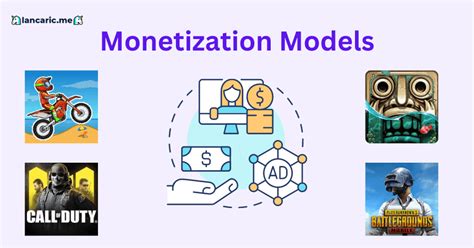
Free-to-play (F2P) mobile games have revolutionized the gaming landscape, offering entertainment at no upfront cost. However, the business model relies on in-app purchases (IAPs), and while many games implement fair monetization, others employ predatory tactics designed to pressure players into spending money, often referred to as ‘pay-to-win’ (P2W) schemes. Recognizing these strategies is crucial for players who want to enjoy their games without falling victim to manipulative practices.
Understanding the F2P Model
The core concept of F2P is to attract a large player base by removing the initial cost barrier. Developers then monetize through various IAPs, which can range from cosmetic items and convenience features to power-ups and essential progression items. The line between fair monetization and predatory practices often blurs, making it challenging for an unsuspecting player to distinguish between the two. A truly fair F2P game allows players to progress and enjoy the full experience without spending, albeit perhaps at a slower pace.
Common Red Flags for Predatory Monetization
1. Aggressive Gacha Mechanics and Loot Boxes
Gacha systems, inspired by Japanese capsule toy machines, involve spending premium currency for a chance to receive a random item, character, or resource. While gacha can be fun, it becomes predatory when the odds are extremely low, essential power items are locked exclusively behind gacha, or the game constantly pushes players to “pull” more for progress. Look for transparency (or lack thereof) regarding drop rates and whether progression feels impossible without winning the gacha lottery.
2. Energy Systems and Artificial Time Gates
Many F2P games implement energy systems that limit how much you can play in a given session, requiring a wait time or a purchase to replenish. Similarly, artificial time gates force players to wait hours or days for upgrades, building constructions, or resource generation. While some waiting is natural, it’s predatory when the wait times are excessively long, severely hampering progression, and can be instantly bypassed only by spending premium currency. This creates frustration, pushing players towards IAPs for convenience.

3. Essential Progression Behind Paywalls
A clear sign of ‘pay-to-win’ is when crucial characters, powerful equipment, or access to significant game modes are locked behind direct purchases or made nearly impossible to obtain through free-to-play means. If you reach a point where your progress halts completely, and the only way forward is to open your wallet for a specific item, the game is likely designed to force spending rather than encourage fair play.
4. Manipulative FOMO (Fear Of Missing Out) Tactics
Predatory games often leverage FOMO through limited-time offers, exclusive event characters, or battle passes that promise massive rewards if completed within a strict timeframe. These tactics create urgency and anxiety, pressuring players to spend quickly before an opportunity vanishes. Frequent “flash sales” on essential items or currency, especially those tied to newly released, overpowered content, are also strong indicators.
5. Persistent Ad Overload and Forced Viewing
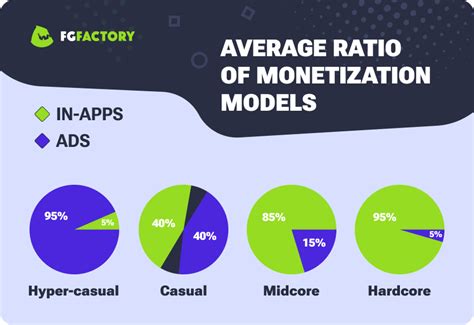
While ads are a legitimate way for F2P games to earn revenue, constant, intrusive pop-up ads that interrupt gameplay, especially those that appear after every few actions or before crucial moments, are a sign of aggressive monetization. Even worse are games that force players to watch long, unskippable video ads to access basic features, gain minor rewards, or continue playing after a defeat, creating a frustrating experience intended to drive players to buy an “ad-free” package.
6. VIP Systems and Tiered Spending Rewards
Many games feature VIP systems where players unlock progressively better bonuses, daily rewards, or exclusive content based on their cumulative spending. While some VIP systems offer minor perks, they become predatory when higher VIP tiers grant significant, game-breaking advantages (e.g., increased resource generation, exclusive powerful units, major combat bonuses) that put non-spending players at a severe disadvantage. This creates a two-tier system where paying players simply have a superior experience by default.

How to Protect Yourself and Play Smart
To navigate the F2P landscape safely, always research a game before committing significant time or money. Read reviews from other players, especially those discussing monetization. Pay attention to early game signs: if tutorials immediately push you towards a starter pack, or if you hit a massive progression wall within the first few hours, proceed with caution. Set personal spending limits and stick to them. Most importantly, remember that a game should be fun and not feel like a chore or a constant demand for your money. If a game consistently makes you feel frustrated or pressured to spend, it’s a strong sign to reconsider playing it.

Conclusion
While F2P mobile games can offer incredible value and entertainment, players must remain vigilant against predatory monetization and ‘pay-to-win’ tactics. By understanding the common red flags – aggressive gacha, restrictive energy systems, paywalled progression, FOMO-inducing offers, ad overload, and unfair VIP tiers – you can make informed decisions about where to invest your time and money. Empower yourself to enjoy mobile gaming responsibly and choose games that respect your time and wallet.