How can our guides best simplify complex game mechanics for new players?

Mastering the Art of Simplifying Game Mechanics
Many modern video games boast intricate systems and deep mechanics that, while rewarding for experienced players, can be daunting for newcomers. The challenge for guide creators is to bridge this gap, transforming complex information into easily digestible knowledge. Our guides play a crucial role in player onboarding and retention, making the initial learning curve less steep and more enjoyable.
Break Down Information Systematically
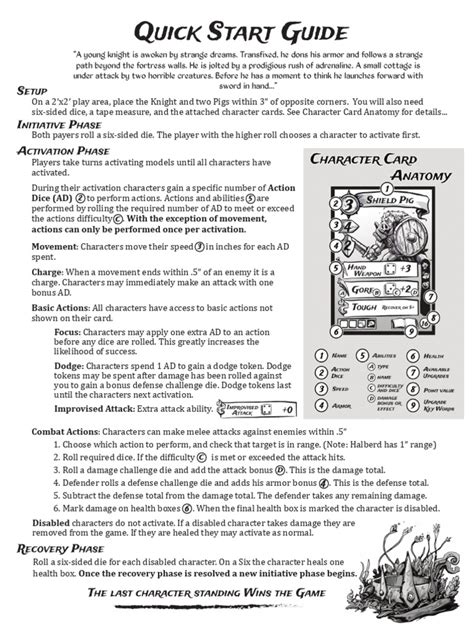
The first step in simplifying complexity is to dissect it into its smallest, most manageable components. Avoid overwhelming new players with a deluge of information all at once. Instead, introduce core concepts one by one, building a foundation of understanding before moving to more advanced interactions. Start with the absolute basics – what is the mechanic, what does it do, and how do you activate it? Then, progressively layer on nuances, conditions, and advanced applications.
Crucially, use plain, accessible language. Jargon and abbreviations, while common among veterans, can alienate new players. If a technical term must be used, define it clearly and concisely the first time it appears. Think of it like teaching a new language; you wouldn’t start with complex sentences without first explaining individual words and basic grammar.
Leverage Visual Aids and Practical Examples
Humans are inherently visual learners, and gaming mechanics often involve spatial reasoning, timing, or interface interaction. Text alone can struggle to convey these elements effectively. Our guides should heavily utilize screenshots, diagrams, flowcharts, and even short video clips (if the platform allows) to illustrate concepts.
For instance, explaining a crafting recipe is far clearer with an image of the crafting interface showing ingredient placement. Describing a combat rotation benefits immensely from a flow chart demonstrating ability order. Beyond static visuals, provide practical, in-game examples. Instead of just defining ‘aggro,’ describe a scenario where managing aggro is crucial, detailing the player’s actions and the resulting outcomes. This grounds abstract concepts in tangible gameplay experiences.
Employ Progressive Learning and Practice
Learning is not passive; it requires active engagement. Our guides should not just explain, but also encourage practice. Structure the information so that players can learn a mechanic, then immediately apply it in a controlled environment. This could involve suggesting specific in-game areas for practice, recommending simple challenges, or even designing short, interactive quizzes (if the guide format supports it).
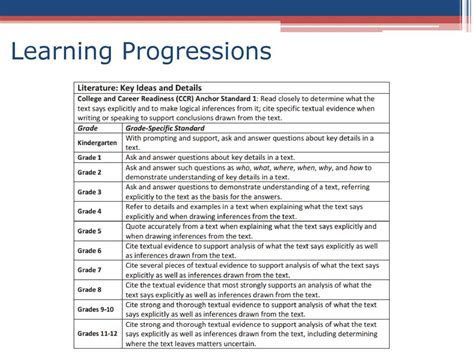
Introduce mechanics in a logical progression, mirroring how a player might encounter them organically in the game. Don’t explain endgame raid mechanics before covering basic movement and combat. This staged approach prevents cognitive overload and builds confidence as players master each step before moving to the next.
Offer Context and Relevance
New players often struggle not just with *how* to use a mechanic, but *why* it matters. Our guides should always provide context. Explain the strategic importance of a mechanic, how it impacts gameplay, and what advantages it offers. For example, when explaining a movement ability, don’t just state its cooldown; explain how it can be used to escape danger, close gaps on enemies, or traverse terrain efficiently.
Understanding the ‘why’ empowers players to make informed decisions and integrate mechanics into their broader gameplay strategy. Without this context, a mechanic might just seem like another button to press, rather than a valuable tool in their arsenal.
Encourage Interactivity and Feedback
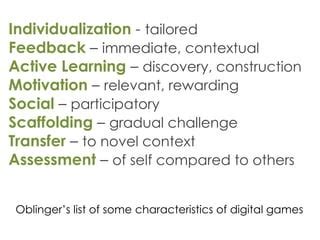
While guide formats vary, we should strive to make them as interactive as possible. This could mean incorporating clickable elements that reveal more detail, allowing users to select specific topics, or providing clear pathways for asking questions and receiving support. A thriving comment section, a linked FAQ, or a forum thread dedicated to guide clarification can be invaluable.
Finally, gather feedback on guide effectiveness. Are players still struggling with certain concepts? Is there a particular mechanic that consistently trips them up? Use this feedback to refine and improve guides continuously, ensuring they remain relevant, accurate, and truly helpful for the ever-evolving community of new players.
Conclusion
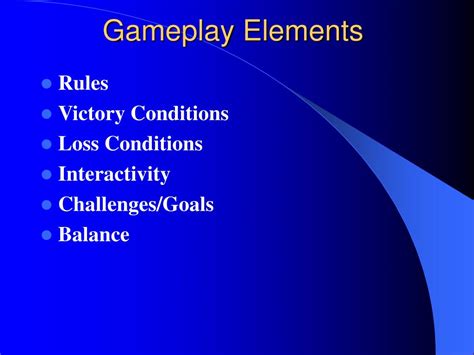
Simplifying complex game mechanics for new players is an art that combines clear communication, thoughtful structuring, and effective visual aids. By breaking down information, providing context, encouraging practice, and continuously refining our approach, our guides can transform potential frustration into genuine enjoyment, ensuring a welcoming and accessible experience for every new adventurer who steps into the game world.