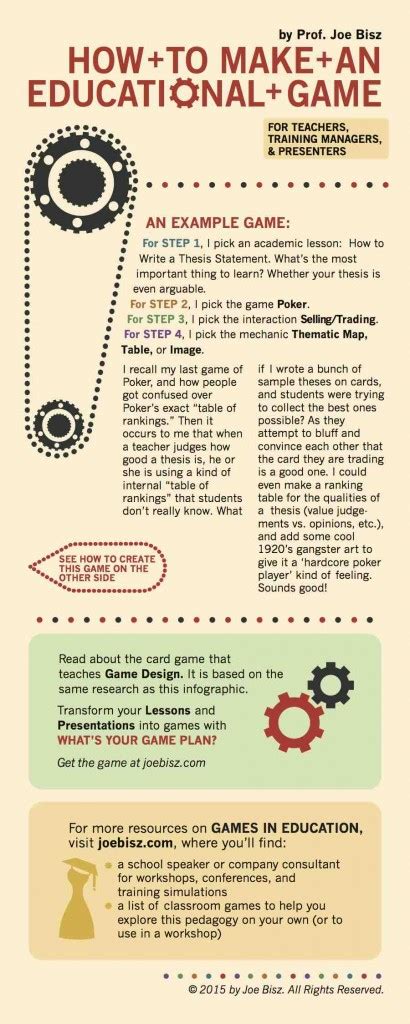
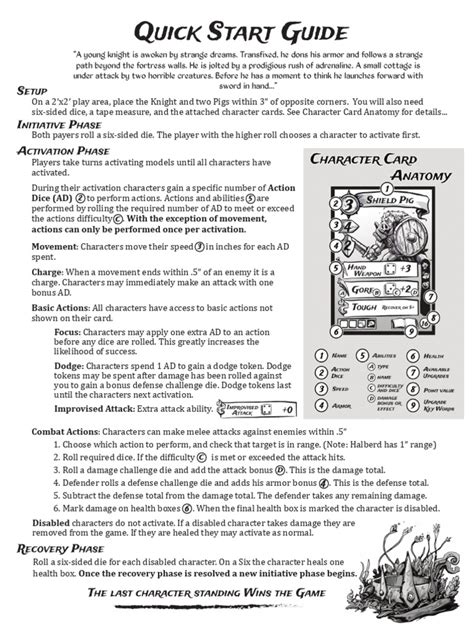
How can our game how-to guides effectively break down complex mechanics for new players?
The Challenge of Complex Game Mechanics
Modern video games often feature intricate systems, deep lore, and layered mechanics that can overwhelm new players. From sophisticated combat engines to elaborate crafting systems or sprawling economic simulations, the initial learning curve can be steep. An effective how-to guide isn’t just an optional extra; it’s a critical bridge that transforms potential frustration into engaging discovery, ensuring new players stick around long enough to appreciate the game’s depth.
The goal is to demystify these complexities without oversimplifying the game itself. This requires a strategic approach to guide design, focusing on clarity, progressive learning, and practical application.
Core Strategies for Deconstructing Complexity
1. Start Simple, Layer Gradually
The most effective guides introduce mechanics incrementally. Begin with the absolute fundamentals, ensuring a solid grasp of core controls and basic interactions before introducing advanced concepts. Think of it as building blocks: players need to understand how to place the first block before they can construct a complex tower.
This phased approach prevents information overload. Each new layer should build upon previously learned concepts, reinforcing understanding and allowing players to apply new knowledge in a structured way.
2. Embrace Visuals and Practical Examples
Text alone can be insufficient for explaining dynamic game mechanics. Incorporating screenshots, annotated diagrams, short video clips, or animated GIFs can dramatically improve comprehension. A visual demonstration of a specific combat combo or a crafting recipe sequence often communicates more effectively than paragraphs of text.
Beyond visuals, practical examples within the guide – such as “Try doing X to achieve Y” – provide actionable steps, moving players from passive reading to active learning. This hands-on guidance is invaluable.
3. Implement Interactive and Contextual Learning
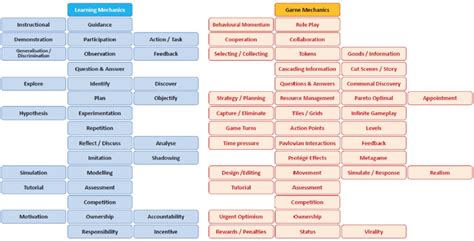
The best how-to guides are often integrated directly into the gameplay experience. Interactive tutorials, where players are prompted to perform an action and receive immediate feedback, are highly effective. These in-game lessons allow players to learn by doing, cementing mechanics in their muscle memory and understanding.
Furthermore, provide context. Don’t just explain what a mechanic does, but why it’s important and when to use it. Understanding the strategic implications of a mechanic helps players integrate it into their overall gameplay style, rather than just memorizing a sequence of buttons.
4. Break Down into Manageable Chunks and Use Clear Language
Large, intimidating mechanics should be dissected into smaller, more digestible components. For example, a complex economy system could be broken down into sections on “Resource Gathering,” “Crafting,” “Trading,” and “Market Fluctuations.” Each section focuses on a specific aspect, making the whole less daunting.
Simultaneously, use clear, concise, and jargon-free language wherever possible. If game-specific terminology is unavoidable, define it clearly upon its first mention. Avoid lengthy sentences and prefer bullet points or numbered lists for step-by-step instructions, enhancing readability and scannability.
![[Game Play] how can I change the operating Language???](/images/aHR0cHM6Ly90czIubW0uYmluZy5uZXQvdGg/aWQ9T0lQLld2MUt2M3VvZGJJT3pyeHpBWmZWNlFIYUZOJnBpZD0xNS4x.webp)
Designing for Accessibility and Iteration
Effective guides are not just well-written; they are also easy to access and navigate. Ensure guides are readily available both in-game (perhaps through a dedicated ‘Help’ menu or tooltip system) and externally (on a website or community forum). A well-organized table of contents, search functionality, and cross-referencing between related topics are crucial for user-friendliness.
Finally, consider guides as living documents. Gather feedback from new players – observe where they struggle, what questions they frequently ask, and what parts of existing guides are unclear. Use this feedback to iterate and refine your guides, continuously improving their effectiveness over time.

Conclusion
Breaking down complex game mechanics for new players is an art form that blends instructional design with a deep understanding of player psychology. By embracing incremental learning, visual aids, interactive experiences, clear language, and continuous improvement, game developers can create how-to guides that not only educate but genuinely onboard players into the rich worlds they’ve created. This investment in player education ultimately leads to greater player retention, satisfaction, and appreciation for the game’s depth.