How can new player guides simplify core game mechanics for faster learning?

The Imperative of Effective Onboarding
For many new players, stepping into a complex game world can be an overwhelming experience. Modern games often feature intricate mechanics, deep lore, and expansive systems that can deter even the most enthusiastic beginners. This is where well-designed new player guides become indispensable tools, acting as a crucial bridge between novice and confident player. Their primary role is to demystify the core functionalities, making the initial learning curve less steep and more enjoyable, thereby facilitating faster integration and sustained engagement.
Effective guides don’t just list controls; they strategically introduce concepts, building understanding layer by layer. They recognize that a player’s first hours are critical for forming lasting impressions and determining whether they’ll stick with the game or abandon it out of frustration. Simplifying core game mechanics is not about ‘dumbing down’ the game, but rather about making its inherent complexity accessible.

Deconstructing Complexity: Strategies for Simplification
The art of simplifying complex game mechanics lies in breaking them down into manageable, digestible pieces. Guides achieve this through several proven strategies:
1. Step-by-Step Introduction
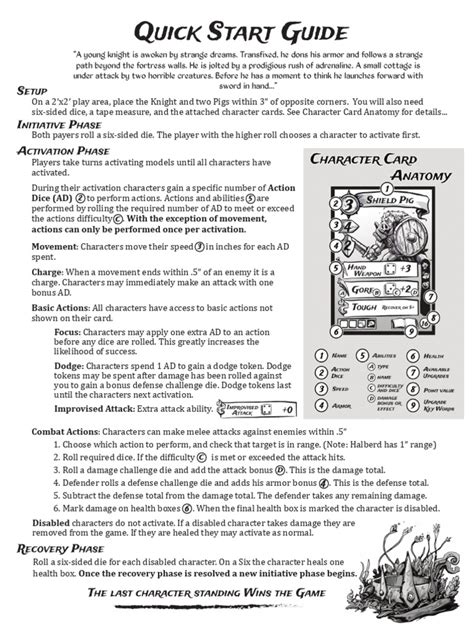
Instead of presenting all information at once, guides should introduce mechanics one at a time, allowing players to practice and internalize each concept before moving to the next. For instance, explaining movement controls, then basic interaction, then simple combat, and so on. This progressive approach prevents information overload.
2. Visual Aids and Demonstrations
Text-heavy guides can be daunting. Integrating screenshots, short video clips, or animated GIFs within a guide can visually demonstrate mechanics in action. Showing a player how to execute a special move or navigate a complex UI element is often far more effective than a lengthy textual description. Visuals cut through ambiguity and provide immediate clarity.
3. Interactive Tutorials and Contextual Hints
The most powerful guides are often interactive, placing players directly into situations where they must apply the mechanic being taught. Think of in-game tutorial missions that walk players through combat scenarios or crafting processes. Furthermore, contextual hints – small, non-intrusive pop-ups that appear when a player encounters a new mechanic or fails to perform an action correctly – can provide timely guidance without interrupting gameplay flow.
Focusing on Core Mechanics First
A common mistake in guide design is attempting to explain every single mechanic from the outset. Effective guides prioritize core mechanics – those absolutely essential for initial gameplay. This typically includes:
- Movement and Navigation: How to move, look around, interact with the environment.
- Basic Combat/Interaction: How to attack, defend, use basic abilities, or interact with NPCs/objects.
- User Interface (UI) Basics: Understanding the health bar, mini-map, inventory, and essential menu navigation.
Advanced systems like intricate crafting, high-level skill trees, or complex economy systems should be introduced gradually, perhaps through subsequent in-game quests or dedicated advanced guides, once the player has mastered the fundamentals.

Benefits of Accelerated Player Integration
The advantages of new player guides that facilitate faster learning extend beyond mere convenience:
- Reduced Frustration: Players are less likely to quit when they feel they understand the game and can progress.
- Increased Retention: A positive initial experience significantly increases the likelihood of a player sticking with the game long-term.
- Quicker Mastery and Deeper Engagement: By quickly grasping core mechanics, players can move on to exploring deeper strategies, lore, and social aspects of the game, leading to a richer overall experience.
- Stronger Community Building: Confident players are more likely to participate in online communities, share strategies, and become advocates for the game.

Crafting an Engaging and Intuitive Guide
To truly simplify and engage, guides should adhere to several principles:
- Conciseness: Avoid jargon and superfluous text. Get straight to the point.
- Relevance: Ensure the mechanics explained are immediately useful to the player’s current situation.
- Optionality: While core tutorials can be mandatory, supplementary guides for advanced mechanics should be easily accessible but not forced upon the player.
- Adaptability: Some advanced guide systems can detect player struggles and offer targeted help.
Conclusion: Paving the Way for Player Success
New player guides are not just a nice-to-have; they are a critical component of successful game design, particularly for games with intricate mechanics. By expertly simplifying core functionalities through structured introductions, visual aids, interactive elements, and a focus on essentials, these guides empower players to learn faster, overcome initial hurdles, and ultimately dive deeper into the rich experiences games have to offer. Investing in well-crafted onboarding ensures that a game’s brilliance is accessible to all, fostering a thriving and engaged player base from day one.