How can I manage spending and avoid time sinks in F2P/Gacha games?

Navigating the Lure of Free-to-Play and Gacha Games
Free-to-Play (F2P) and Gacha games offer accessible entertainment, but their clever monetization strategies and endless progression loops can easily lead to overspending and significant time sinks. Enjoying these games sustainably requires a proactive approach to managing both your wallet and your clock. This guide will equip you with strategies to maintain control and enhance your gaming experience.

Mastering Your Spending: A Budget-Conscious Approach
The “free” in F2P is often a misnomer, as many games subtly push players towards microtransactions. Here’s how to keep your spending in check:
- Set a Strict Budget: Before you even download a game, decide how much you are willing to spend per month on gaming. Treat it like any other entertainment budget. Stick to it rigorously.
- Distinguish Wants from Needs: Most in-game purchases are “wants” that offer convenience or cosmetic appeal, not true necessities for progression (especially for casual play).
- Understand Value: Evaluate whether a purchase genuinely enhances your fun or is merely a temporary dopamine hit. Battle Passes often offer the best value for money, providing consistent rewards over time compared to random gacha pulls.
- Avoid Impulse Buys: If you see something appealing, wait 24 hours before purchasing. Often, the urge subsides, and you realize you don’t truly need it.
- Disable One-Click Purchases: Make the process of spending slightly more cumbersome. Removing saved payment details or requiring password entry can add a crucial moment of reflection.
Reclaiming Your Time: Strategies Against Time Sinks
F2P games are designed to maximize engagement, often with daily logins, endless grinding, and limited-time events. Protect your valuable time with these tactics:
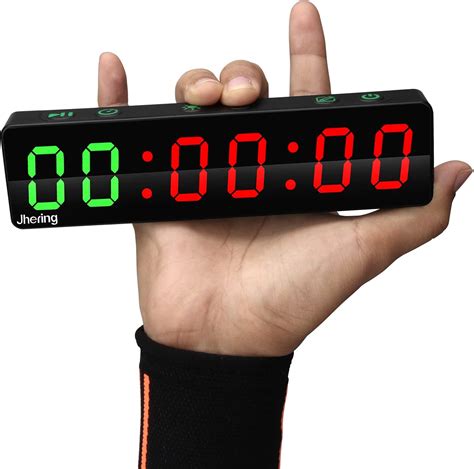
- Set Daily Play Limits: Decide on a reasonable amount of time you want to spend playing each day (e.g., 30-60 minutes). Use timers on your phone or computer to enforce this.
- Prioritize Essential Activities: Identify the daily/weekly tasks that offer the most significant rewards for your progression goals. Skip or minimize those that offer minimal return for your time.
- Embrace “Good Enough”: You don’t need to complete every single event or collect every single item. Being okay with missing out on some content is crucial for time management.
- Automate Where Possible: Many F2P games offer “auto-battle” or “skip ticket” features. Utilize these to complete tedious tasks quickly and efficiently, saving your direct engagement for more enjoyable content.
- Take Scheduled Breaks: Step away from the game regularly. Sometimes, the best way to avoid a time sink is to simply close the app and do something else.

Cultivating a Healthy Mindset for Sustainable Enjoyment
Beyond practical strategies, adopting the right mental approach is key to long-term enjoyment without regret.
- Focus on Fun, Not Fear Of Missing Out (FOMO): Game designers deliberately use FOMO to drive engagement. Remind yourself that missing an event or a character is okay. Your real-life well-being is more important than in-game progress.
- Accept Being Free-to-Play (F2P) or a Low Spender: It’s perfectly fine to play a Gacha game without spending heavily, or even at all. Don’t compare your progress to “whales” (high-spenders); their goals and resources are different.
- Diversify Your Hobbies: Having other interests outside of gaming reduces the game’s hold on your time and attention, preventing it from becoming an all-consuming activity.
- Recognize Addiction Signs: If you find yourself thinking about the game constantly, neglecting responsibilities, or feeling anxious when not playing, seek help. Gaming should be an enjoyable pastime, not a compulsion.

F2P and Gacha games can offer immense entertainment, but they demand a conscious effort to play responsibly. By setting clear financial boundaries, managing your time effectively, and maintaining a healthy perspective, you can enjoy these digital worlds without falling prey to their common pitfalls. Play smart, not hard, and most importantly, have fun on your own terms.