How can I identify predatory Gacha mechanics versus fair free-to-play design?
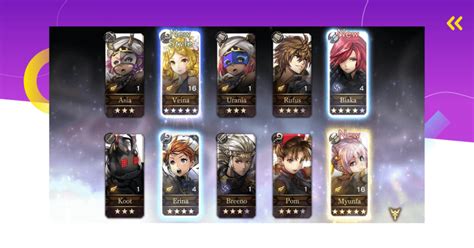
In the vast landscape of modern mobile and online gaming, free-to-play (F2P) titles have become ubiquitous. Many of these games incorporate Gacha mechanics, a monetization model inspired by Japanese capsule toy machines. While F2P and Gacha can offer accessible, engaging experiences, distinguishing between fair design and predatory practices is crucial for players and the industry alike.
Understanding Fair Free-to-Play Design
A truly fair free-to-play game allows players to enjoy the core experience and progress meaningfully without ever spending money. Monetization in such games typically focuses on optional cosmetic items (skins, emotes), convenience features (faster crafting, inventory space), or one-time purchases that provide permanent, non-essential advantages. The key is that spending money should enhance, not enable, the core gameplay loop. Ethical F2P models prioritize player choice, clear value propositions, and respect for a player’s time and wallet.

Red Flags: Identifying Predatory Gacha Mechanics
Predatory Gacha mechanics, in contrast, often exploit psychological vulnerabilities and create artificial pressure to spend. Here are some key indicators:
- Essential Progress Behind Paywalls: If the only way to obtain necessary characters, items, or overcome significant difficulty spikes is through repeated Gacha pulls, it’s a red flag. Fair games offer alternative in-game methods, even if slower.
- Unclear or Misleading Odds: Lack of transparent drop rates for Gacha pulls, or presenting odds in a confusing manner, is a warning sign. Players should know exactly what they’re gambling for.
- Aggressive “Fear Of Missing Out” (FOMO): Limited-time, powerful characters or items that are only available for a short window, coupled with high Gacha costs, pressure players into impulsive spending.
- Constant Power Creep: Rapid introduction of new, significantly more powerful Gacha units that render older units obsolete quickly forces players to keep spending to stay competitive.
- Lack of “Pity” or Bad Luck Protection: A fair Gacha system often includes a “pity timer” or guaranteed pull after a certain number of unsuccessful attempts, ensuring players eventually get what they want. Absence of such a system can lead to endless spending.
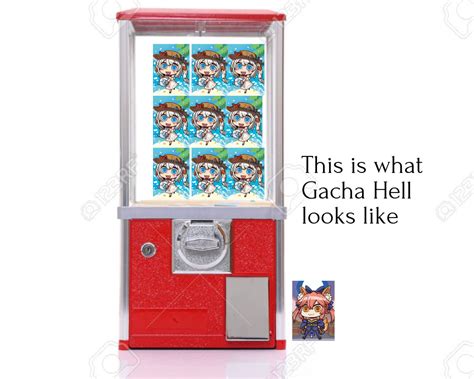
Manipulative Psychological Tactics
Beyond direct monetization, predatory Gacha employs various psychological tricks:
- Sunk Cost Fallacy: Encouraging players to invest significant time or money, making them feel obligated to continue spending to justify past investments.
- Regret and Scarcity: Highlighting what players “missed out on” by not spending, or creating artificial scarcity to drive demand.
- Social Pressure & Leaderboards: Tying progression or competitive advantage directly to Gacha pulls, creating a social hierarchy that encourages spending to keep up.
- Ambiguous Pricing & Premium Currencies: Using multiple layers of in-game currencies, often bought with real money, to obscure the true cost of items and make spending feel less impactful.

The Grey Areas and What to Look For
Not every Gacha mechanic is inherently evil. Many popular games use Gacha elements in a relatively fair manner. Consider these points when evaluating:
- Generous Free Currency: Do players earn enough premium currency through gameplay to make meaningful Gacha pulls without spending?
- Viable Free-to-Play Teams: Can a player build a competitive or enjoyable team/collection using only free characters or easily obtainable items?
- Clear Progression Paths: Are there clear, non-Gacha pathways for character/item progression, even if they require more time?
- Developer Communication and Ethics: Does the developer openly communicate about changes, odds, and future content? Do they show a genuine interest in player well-being over pure profit?

Empowering Yourself as a Player
To navigate the F2P and Gacha landscape responsibly, players should:
- Research Before You Invest: Check reviews, community discussions, and gameplay videos to understand a game’s monetization model.
- Set Spending Limits: Treat in-game purchases like any other entertainment budget.
- Understand the Odds: Always look for published Gacha rates. If they’re missing, be wary.
- Recognize Psychological Hooks: Be aware of FOMO, sunk cost, and other tactics designed to make you spend more.
- Vote With Your Wallet: Support games that demonstrate fair and ethical monetization practices.
By understanding the distinctions between fair design and predatory Gacha, players can make informed choices, advocate for better practices, and ultimately foster a healthier gaming ecosystem. The power to shape the future of free-to-play lies in collective consumer awareness and responsible spending.
!['We need to define what it means to be safe as [players] around the ...](/images/aHR0cHM6Ly90czEubW0uYmluZy5uZXQvdGg/aWQ9T0lQLllDQ1NRWlNjeFprd0loU3ctVGNIWmdIYUQ0JnBpZD0xNS4x.webp)