How can how-to guides best introduce core game mechanics to new players?

Mastering the First Impression: Guiding New Players Through Core Mechanics
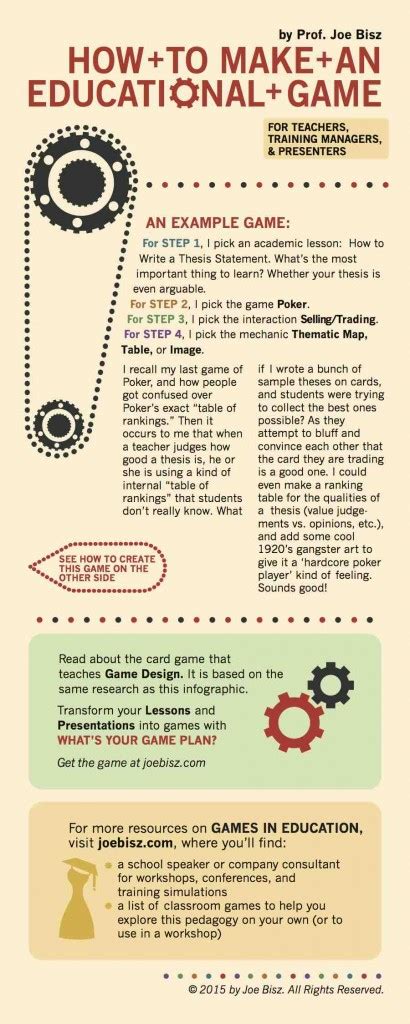
For any game, the initial hours are critical. This period shapes a new player’s perception, determines their engagement, and ultimately decides whether they’ll stick around. A well-crafted how-to guide, whether integrated into the game or presented as a standalone resource, plays a pivotal role in demystifying core game mechanics. The challenge lies not just in explaining what to do, but in doing so effectively, preventing overwhelm while fostering understanding and enjoyment.
The Importance of Contextual and Gradual Introduction
Dumping a wall of text or an hour-long pre-game tutorial is a surefire way to lose new players. The most successful introductions to core mechanics are often those that are contextual and gradual. Rather than front-loading all information, mechanics should be introduced precisely when they become relevant to the player’s immediate experience. This allows players to learn by doing, applying new knowledge instantly and seeing its impact.
Imagine a guide that explains movement as the player needs to navigate their character, then introduces combat only when the first enemy appears. This approach prevents cognitive overload and reinforces learning through direct application, making the information more digestible and memorable.

Strategies for Clear and Engaging Explanations
Effective how-to guides employ several strategies to ensure clarity and engagement:
- Concise Language: Avoid jargon. Use simple, direct terms that any new player can understand. Break down complex ideas into their simplest components.
- Visual Aids: Screenshots, short GIFs, or video clips demonstrating mechanics in action are invaluable. Showing beats telling, especially for visual or timing-dependent mechanics. Highlight UI elements, character actions, and expected outcomes.
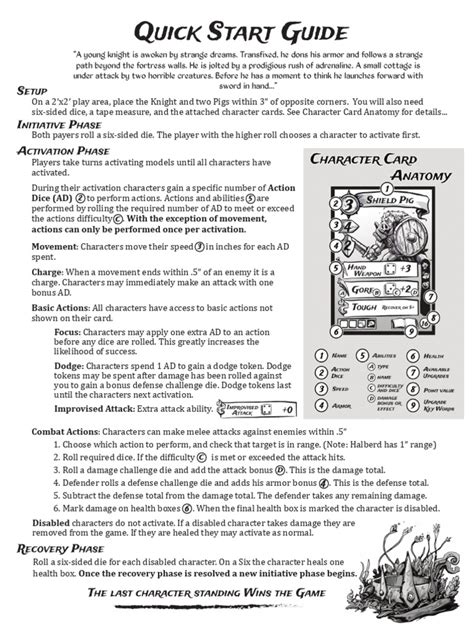
- Step-by-Step Instructions: For multi-stage mechanics, provide numbered or bulleted steps. Each step should represent a single, clear action.
- Explain the ‘Why’: Don’t just tell players ‘what’ to do, explain ‘why’ a particular mechanic is important or how it contributes to their success or enjoyment. Understanding the purpose increases retention and motivation.

Leveraging Interactivity and Practice
Passive reading, even with excellent visuals, has its limits. The best guides incorporate elements of interactivity and practice. This could be through:
- In-Game Tutorials: Designing specific tutorial levels or zones where players are prompted to use new mechanics in a safe, guided environment.
- Interactive Tooltips/Pop-ups: Context-sensitive information that appears when a player encounters a new element or is about to use a new ability, allowing them to try it out immediately.
- Practice Modes or Sandboxes: Dedicated areas where players can experiment with mechanics without pressure, perfect their skills, and understand nuances at their own pace.
By actively engaging players, these methods transform abstract information into practical knowledge, building muscle memory and confidence.

Anticipating and Addressing Player Struggles
A truly comprehensive how-to guide anticipates common player misconceptions or difficulties. This involves:
- Common Pitfalls: Identifying actions or scenarios where new players frequently make mistakes and offering solutions or warnings.
- Troubleshooting Sections: Providing quick answers to frequently asked questions about specific mechanics.
- Tips and Tricks: Offering small, actionable advice that enhances understanding or efficiency once the basic mechanic is grasped.
This proactive approach reduces frustration and empowers players to overcome early challenges independently, fostering a sense of accomplishment.
Conclusion: A Foundation for Long-Term Engagement
Ultimately, the goal of a how-to guide for core game mechanics is to lay a solid foundation for a player’s long-term engagement. By introducing mechanics contextually, gradually, and interactively, with clear explanations and visual support, guides can transform the often daunting learning curve into an enjoyable discovery process. This thoughtful approach not only helps players understand the ‘how’ but also appreciate the ‘why,’ paving the way for deeper immersion and lasting enjoyment.