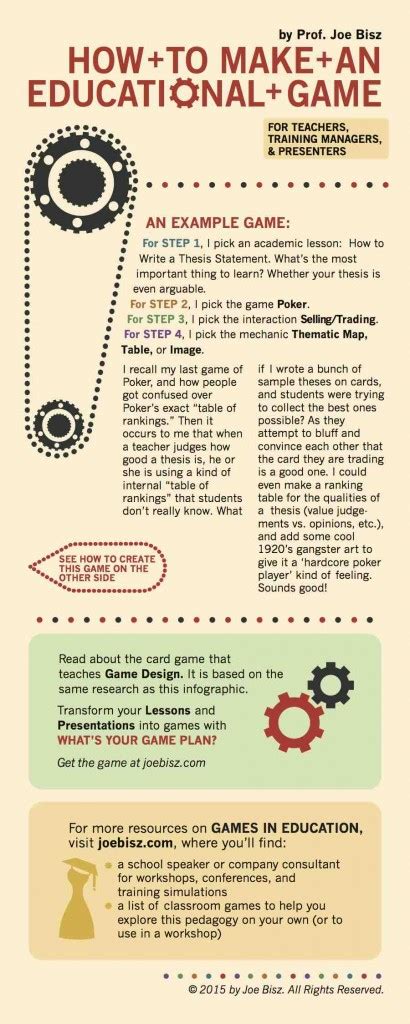
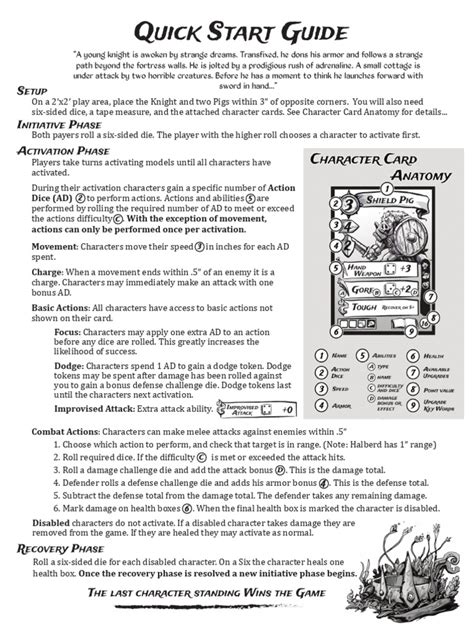
How can gaming how-tos clearly break down essential first steps for true new players?

Understanding the True Novice: More Than Just a New Game
For seasoned gamers, diving into a new title often means learning a new control scheme or a unique skill tree. But for a “true new player,” the experience is fundamentally different. These individuals might be new to an entire genre, or even new to gaming itself. They don’t just need to know how to parry; they need to know what ‘parry’ means, how to move, how to look around, and why they should care about any of it. Effective gaming how-tos for this audience must operate from a foundation of absolute basics, assuming zero prior knowledge.
Prioritize Core Mechanics and Controls
The very first steps in any game involve fundamental interaction: movement, camera control, and basic input (e.g., attacking, using an item, interacting with the environment). A how-to should begin here, explaining these concepts in isolation before combining them. For instance, clearly demonstrate how to walk forward and backward, then how to turn, then how to move the camera independently. Avoid introducing inventory management or complex combat systems until these foundational elements are mastered.
Visual Clarity and Minimalist Explanations are Essential
A picture is worth a thousand words, especially when dealing with complex on-screen information. How-tos should heavily leverage clear screenshots or simple diagrams that highlight exactly what the player needs to see. Point out specific UI elements, button prompts, or character positions. The accompanying text should be concise, using simple language and short sentences. Avoid jargon, or if it’s unavoidable, explain it immediately. Bullet points and numbered lists can break down information into easily digestible chunks.

Action-Oriented, Step-by-Step Instructions
True new players benefit most from direct, imperative instructions. Rather than saying, “You can use the left stick to move,” say, “To move your character, push the LEFT ANALOG STICK forward.” Break down even seemingly simple tasks into discrete steps. If the goal is to pick up an item, the instructions might be: “1. Walk your character close to the item. 2. Look at the item until a prompt appears. 3. Press the ‘E’ key (or ‘A’ button on Xbox/Cross button on PlayStation) to pick it up.” This meticulous approach prevents confusion and builds confidence.

Reinforce, Practice, and Explain the ‘Why’
Learning isn’t just about reading; it’s about doing. Effective guides should encourage immediate practice after introducing a new concept. Suggest small, guided exercises, like “Try moving your character to the glowing orb.” Furthermore, explain the utility of each new skill. Why is camera control important? So you can see enemies coming or find hidden paths. Understanding the ‘why’ provides context and motivation, helping players connect abstract actions to meaningful game progression. Include common pitfalls and how to recover, such as “If your character isn’t moving, check if you’re pressing the correct stick.”

Manage Information Overload: Chunking and Prioritization
One of the biggest pitfalls for new player guides is information overload. Drowning a novice in lore, advanced statistics, or complex crafting trees from the outset is counterproductive. How-tos should chunk information into manageable segments, presenting only what is absolutely necessary for the current step. Clearly distinguish between essential information (“You need to know this to play”) and optional, later-stage details (“You can learn more about this later if you wish”). A simple phrase like “Don’t worry about this for now” can be incredibly reassuring.

Conclusion
Crafting effective gaming how-tos for true new players requires empathy, clarity, and a systematic approach. By breaking down concepts into their absolute fundamentals, utilizing strong visuals, providing action-oriented instructions, encouraging practice, and carefully managing information flow, we can transform potentially frustrating first experiences into engaging and empowering introductions to the world of gaming. These guides don’t just teach game mechanics; they build the foundational confidence that allows new players to explore and enjoy games on their own terms.