How can game how-tos effectively simplify complex mechanics for total beginners?

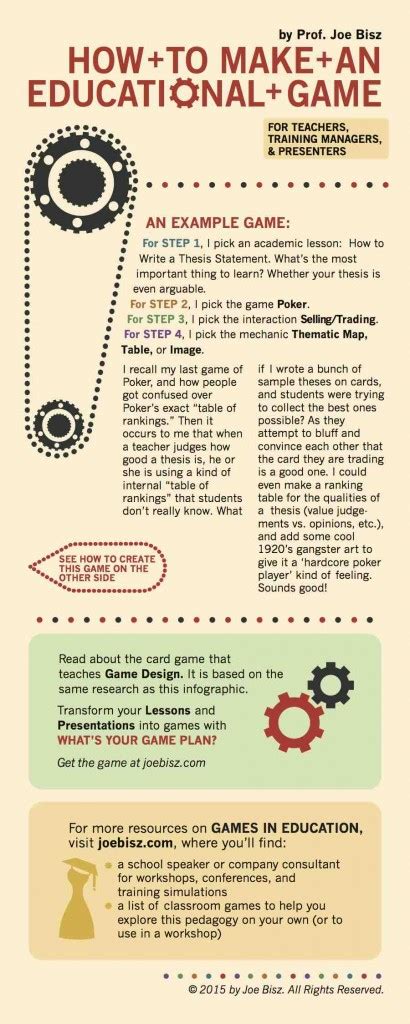
Embarking on a new video game can be daunting, especially when faced with intricate mechanics and a steep learning curve. For total beginners, a well-crafted how-to guide is not just helpful; it’s essential for transforming confusion into competence. The key lies in translating complex systems into simple, actionable steps. But how can how-to guides truly excel at this?
Start with the Absolute Basics
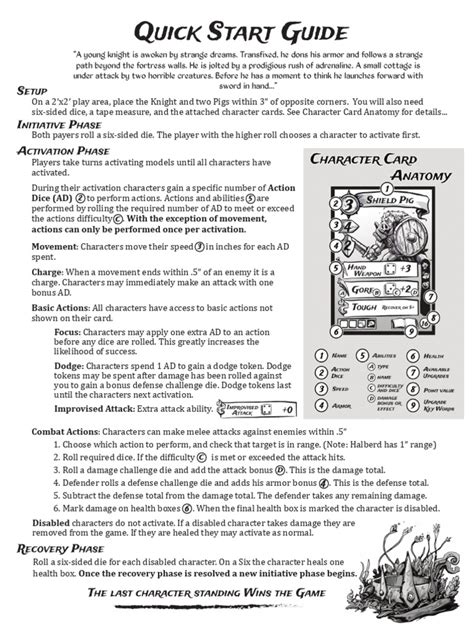
The most common mistake is assuming a baseline level of knowledge. For a total beginner, even fundamental controls or menu navigation can be a mystery. Effective how-tos must begin at ground zero, explaining controller layouts, keyboard shortcuts, and the purpose of primary UI elements before diving into gameplay. Think of it as teaching the alphabet before expecting someone to read a novel.
Focus on the core loop first: What’s the absolute minimum a player needs to know to take their first meaningful action? This might involve movement, basic attack, or interacting with the environment. Build from this foundation, layer by layer.

Break Down Complex Concepts into Digestible Chunks
Large, overwhelming systems should be fractured into smaller, more manageable pieces. Instead of explaining an entire skill tree at once, focus on one branch or one type of skill. If a game has a complex crafting system, introduce component gathering first, then basic crafting, then advanced recipes. Each “chunk” should be self-contained enough to be understood on its own before linking it to the larger system.
Use clear headings, bullet points, and numbered lists to visually separate information and guide the reader’s eye. Avoid long, dense paragraphs that can quickly become overwhelming.
Utilize Visual Aids and Examples Extensively
Text alone can struggle to convey spatial relationships or intricate sequences. Screenshots, diagrams, and short video clips (even if the guide is text-based, mentioning their utility is good) are invaluable. A picture showing exactly where to click, how a path is laid out, or the result of an action can communicate more effectively than paragraphs of description. Examples of “good” versus “bad” play or decision-making can also illustrate principles clearly.
Explain Jargon and Technical Terms Immediately
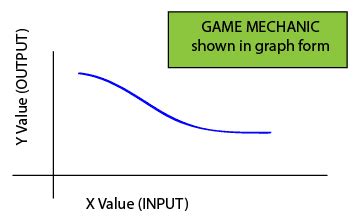
Every game genre has its own lexicon, and many games introduce unique terms. Words like “aggro,” “DPS,” “buff,” “debuff,” “cooldown,” or “AoE” might be second nature to veterans but are utterly meaningless to newcomers. Any specific game term, once introduced, should be immediately defined in simple language. Consider a glossary or “hover-over” definitions if the guide is interactive.
The goal is to demystify, not to impress with industry knowledge. Use analogies to real-world concepts when possible to make abstract ideas more tangible.
Employ Step-by-Step Instructions for Processes
When teaching a specific process—like completing a quest, crafting an item, or executing a combat combo—a clear, numbered step-by-step approach is paramount. Each step should be concise and describe a single action. It should be obvious when one step ends and the next begins. “First, do X. Then, press Y. Finally, observe Z.” This method reduces cognitive load and allows beginners to follow along actively.
Reinforce what each step achieves. Why are they doing X? What’s the immediate outcome of pressing Y?

Encourage Practice and Progressive Learning
A how-to guide shouldn’t just be read; it should be used. Encourage beginners to pause and practice each concept as it’s introduced. Instead of front-loading all information, structure the guide to allow for progressive learning. Introduce fundamental mechanics, suggest a practice session, then introduce the next layer of complexity. This iterative approach builds confidence and allows new skills to solidify.
Offer troubleshooting tips for common beginner issues and reassurance that mastering a game takes time. A good guide doesn’t just teach mechanics; it fosters a positive learning experience.
Conclusion
Effectively simplifying complex game mechanics for total beginners is an art form. It requires empathy for the novice’s perspective, a meticulous approach to breaking down information, and a heavy reliance on clear, visual communication. By starting at the absolute basics, chunking information, demystifying jargon, providing clear steps, and encouraging practice, how-to guides can transform daunting challenges into enjoyable learning experiences, opening the world of gaming to everyone.