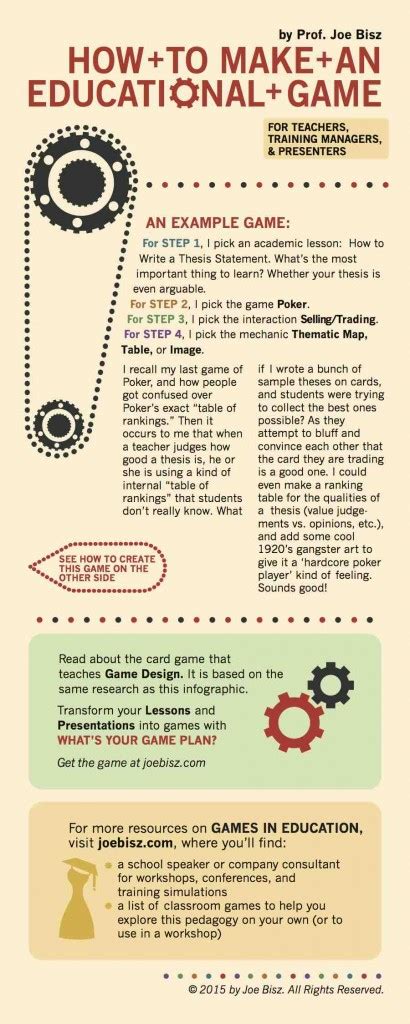
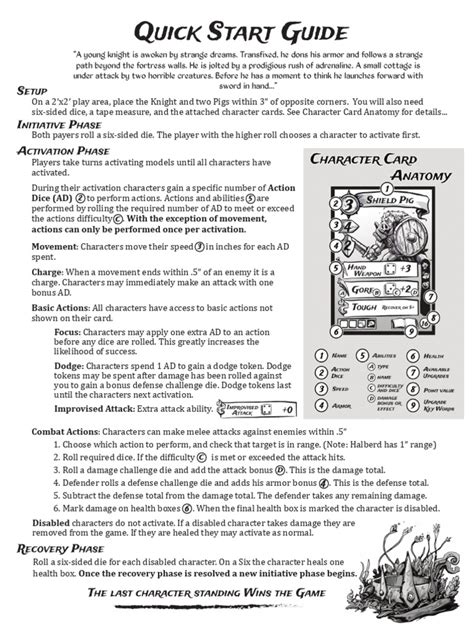
How can game how-tos best prevent and solve common new player frustrations effectively?

The Critical Role of Effective Game How-Tos
For any new player venturing into a complex or even a seemingly simple game, the initial experience can make or break their long-term engagement. Frustration, born from confusion, lack of direction, or an inability to grasp core mechanics, is a primary reason why many players abandon games early on. This is where well-crafted “how-to” guides become invaluable tools, not just for explaining game features, but for fostering a welcoming and empowering environment. By understanding common pain points and strategically designing solutions, how-tos can dramatically improve new player retention and satisfaction.

Understanding Common New Player Frustrations
Before designing solutions, it’s essential to identify the root causes of new player frustrations. These often include:
- Information Overload: Being bombarded with too many mechanics, menus, and options simultaneously.
- Unclear Objectives: Not knowing what to do, where to go, or why they’re doing it.
- Skill Gaps: Difficulty executing basic actions or understanding core strategies.
- Poor UI/UX Explanations: Inability to navigate interfaces or understand iconography.
- Lack of Context: Mechanics presented in isolation without explaining their relevance to gameplay.
- Technical Hurdles: Performance issues, confusing settings, or installation problems.
Strategies for Preventing Frustration
1. Clarity and Conciseness
How-tos should use plain language, avoiding jargon where possible, or clearly defining it. Instructions should be direct, step-by-step, and focused on one task at a time. Lengthy text blocks are intimidating; break information into digestible chunks.

2. Visual and Interactive Learning
The gaming medium is inherently visual. How-tos should leverage this with:
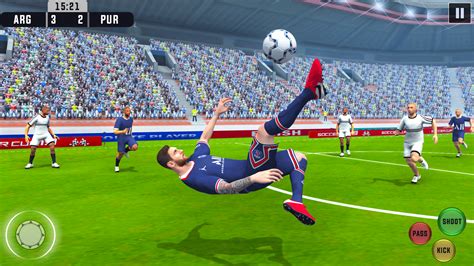
- Screenshots and GIFs: Showing exactly what buttons to press or where to click.
- Short Video Clips: Demonstrating complex sequences or movement.
- In-game Prompts: Context-sensitive tooltips or overlay tutorials that appear exactly when needed.
- Interactive Walkthroughs: Guiding players through initial tasks by highlighting interactive elements.

3. Progressive Difficulty and Pacing
Information should be introduced gradually, mirroring a gentle learning curve. Start with fundamental mechanics and slowly introduce advanced concepts. Avoid front-loading all information; instead, unlock new guides or tutorial segments as the player progresses and demonstrates mastery of previous skills.
4. Anticipating Common Pitfalls
Developers and experienced players know where new players usually stumble. How-tos should proactively address these. Include sections like “Troubleshooting Common Issues,” “FAQ for Beginners,” or “What to Do If…” These sections help players self-solve problems before they become insurmountable.
Strategies for Solving Existing Frustrations
1. Easily Accessible and Searchable Resources
When a player hits a wall, their first instinct is often to search for a solution. How-tos should be:
- In-game: A dedicated help menu, glossary, or codex.
- External: A well-organized wiki, forum section, or official website.
- Search-optimized: Using clear headings and keywords so players can quickly find answers to specific questions.
2. Comprehensive and Up-to-Date Guides
As games evolve, so too must their how-tos. Regularly update guides to reflect patches, new content, and balance changes. Outdated information is as frustrating as no information at all.
3. Community and Support Integration
How-tos can also serve as gateways to further support. Provide clear links to:
- Official Support Channels: For technical issues or account problems.
- Community Forums/Discord Servers: Where players can ask questions, share tips, and find camaraderie.
- Player-created Content: Highlight exemplary community guides or video tutorials.
Conclusion
Effective game how-tos are more than just instruction manuals; they are an integral part of the new player experience. By focusing on clarity, visual learning, progressive pacing, and proactive problem-solving, game developers can transform potential frustrations into moments of discovery and achievement. Investing in well-designed and maintained how-to content is an investment in player satisfaction, retention, and the long-term success of the game.