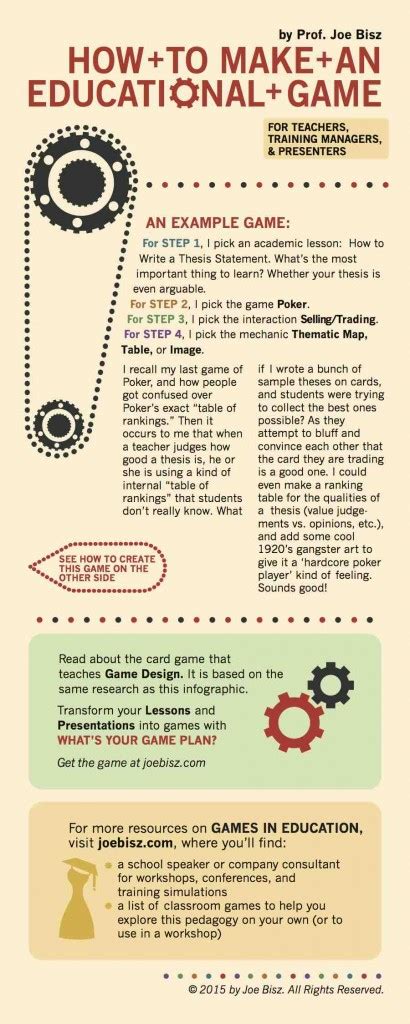
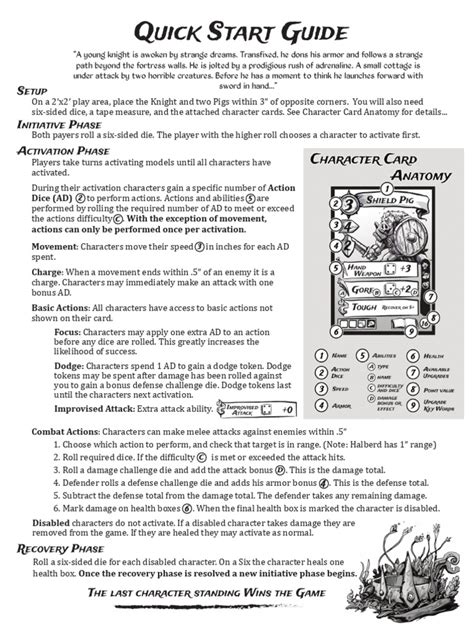
How can game how-to guides most effectively teach core mechanics to absolute beginners?

For many newcomers, the initial moments in a game can be overwhelming. A poorly designed how-to guide can alienate absolute beginners, leading to frustration and abandonment. Conversely, an exceptionally crafted guide can transform confusion into comprehension, laying a solid foundation for enjoyment and mastery. The art lies in demystifying complex systems and presenting them in an accessible, engaging manner.
Understanding the Absolute Beginner’s Mindset
Absolute beginners often lack fundamental gaming literacy; even basic concepts like camera control or movement may be foreign. They don’t just need to know what to do, but why and how. Jargon, assumed knowledge, and information overload are common pitfalls. Guides must anticipate these gaps and address them proactively, fostering a sense of curiosity rather than intimidation.

Pillars of Effective Core Mechanic Instruction
To truly empower a novice, how-to guides should focus on several key principles:
1. Simplicity and Clarity Above All
Break down each core mechanic into its most atomic components. Use simple, direct language devoid of game-specific jargon where possible, or clearly define terms as they are introduced. Avoid long blocks of text; bullet points, short paragraphs, and numbered lists are your allies. The goal is immediate comprehension.
2. Visual Communication is King
Show, don’t just tell. Screenshots with clear annotations (arrows, highlights), short animated GIFs demonstrating actions, or even brief video clips are far more effective than text alone. Visuals help absolute beginners map abstract instructions to concrete in-game actions, especially for spatial or timing-based mechanics.

3. Progressive Disclosure and Scaffolding
Introduce mechanics one at a time, building complexity gradually. Start with the absolute minimum required to perform a basic action, then introduce variations or advanced applications. This “scaffolding” approach prevents cognitive overload and allows learners to consolidate understanding before moving on.
4. Immediate Application and Practice
Reading is not doing. After explaining a mechanic, provide an immediate opportunity for the player to practice it in a safe, controlled environment. In-game prompts (“Try moving now!”) coupled with instant feedback (“Great job!”) reinforce learning and build muscle memory. Make practice engaging, not a chore.

5. Contextualization and Purpose
Explain not just how to perform an action, but also why it’s important within the game’s context. How does this movement skill help you survive? Why is this attack crucial against certain enemies? Understanding the utility of a mechanic increases motivation and retention, making the learning process feel meaningful.
6. Reinforcement and Reminders
Don’t assume a mechanic is understood after one explanation. Briefly re-introduce or subtly remind players of core concepts as they become relevant in new scenarios. This can be done through subtle UI cues, tooltips, or optional “recall” prompts, ensuring long-term retention.
Practical Tips for Guide Creators
- Empathize: Play your game as if you’ve never touched a controller or keyboard before. What feels confusing?
- Test Extensively: Have absolute non-gamers test your guides. Their feedback is invaluable.
- Iterate: Be prepared to refine your guides based on player data and feedback.
- Accessibility: Consider different learning styles and potential accessibility needs (e.g., colorblindness, motor impairments).

Conclusion
Crafting effective how-to guides for absolute beginners is a blend of instructional design and empathetic understanding. By prioritizing simplicity, leveraging visuals, scaffolding learning, and providing ample opportunity for practice within a meaningful context, developers and guide creators can transform the daunting initial hours of a new game into an exciting journey of discovery. A well-designed guide is not just an instruction manual; it’s the player’s first friendly companion in a new digital world.