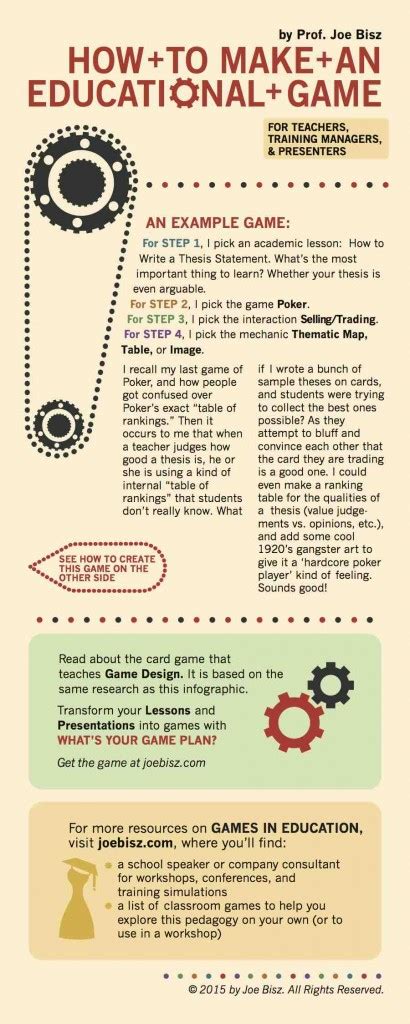
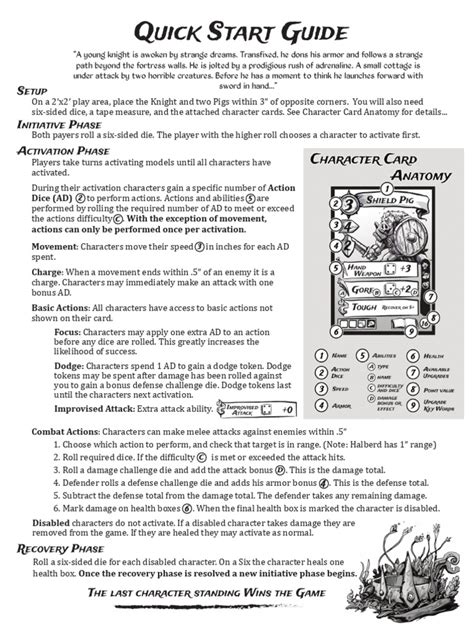
How can game how-to guides best simplify complex mechanics for new players?
The Challenge of Complexity: Welcoming New Players
Many modern video games boast rich, intricate mechanics that offer deep strategic possibilities and rewarding experiences for veteran players. However, this very complexity can be an intimidating barrier for newcomers. How-to guides serve as the crucial bridge, transforming daunting systems into understandable steps. The goal isn’t to remove depth, but to present it in an accessible, digestible format that encourages exploration rather than frustration.
Progressive Disclosure: The Layered Approach
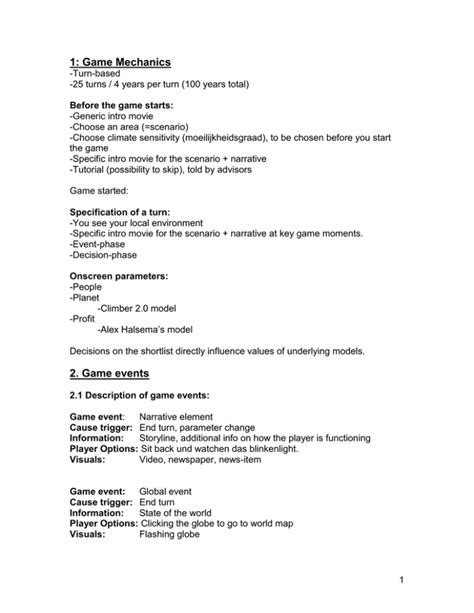
One of the most effective strategies is progressive disclosure. Instead of dumping all information at once, guides should introduce mechanics in a logical, step-by-step fashion, building understanding layer by layer. Start with the absolute basics needed to play, then gradually introduce more advanced concepts as the player demonstrates proficiency with earlier ones. This can mean separating a core mechanic from its intricate nuances, presenting the core first, and then offering a deeper dive later on.
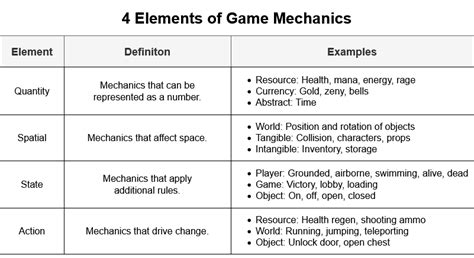
For example, in a strategy game, introduce unit movement and basic attack commands before delving into complex resource management or advanced tactical formations. This prevents information overload and allows new players to consolidate their understanding at each stage.
Visuals and Demonstrations: Seeing is Believing
Text-heavy explanations can be tedious and difficult to follow, especially for visual learners. Integrating strong visual aids—screenshots, annotated diagrams, short video clips, or animated GIFs—can dramatically improve comprehension. A visual demonstration of a complex combo, a resource flowchart, or the correct build order can convey information far more efficiently than paragraphs of text.
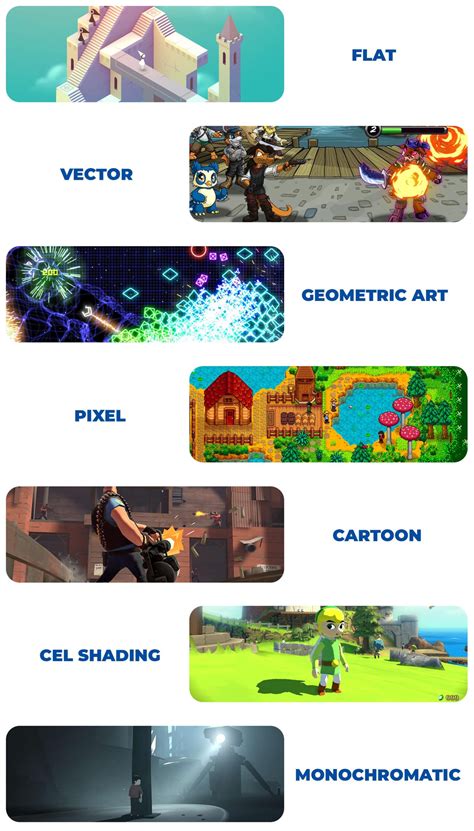
Show players what to do and what happens when they do it. For mechanics involving spatial reasoning or precise timing, visual examples are indispensable. Guides should highlight key UI elements and provide clear visual cues for actions and their immediate consequences.
Interactive Learning: Hands-On Experience
Reading about a mechanic is one thing; experiencing it is another. The best how-to guides often incorporate opportunities for immediate, low-stakes practice. This can take the form of an integrated tutorial mode within the game, interactive exercises on a companion website, or even simply encouraging players to try out a newly learned mechanic in a safe sandbox environment. Active engagement solidifies understanding far more effectively than passive consumption of information.
Allow players to experiment without fear of failure or significant penalty. Provide immediate feedback on their actions, highlighting successes and gently correcting mistakes. This iterative process of ‘try, learn, refine’ is crucial for mastering complex systems.
Analogies and Real-World Comparisons
Sometimes, the quickest way to explain a new, abstract game mechanic is to relate it to something the player already understands. Drawing analogies to real-world concepts, other games, or even common metaphors can provide an instant framework for comprehension. For instance, explaining a crafting system as ‘like cooking, but with magical ingredients’ or a resource management system as ‘balancing your personal budget’ can make abstract systems immediately more relatable.
Clear, Concise Language and Jargon Busting
Game developers often use specific terminology, or ‘jargon,’ that is second nature to them but completely alien to a new player. Effective guides must either avoid jargon entirely or define it clearly upon its first introduction. Use simple, direct language. Break down long sentences into shorter, more digestible ones. Focus on explaining the ‘what,’ ‘how,’ and ‘why’ of a mechanic in the most straightforward terms possible.
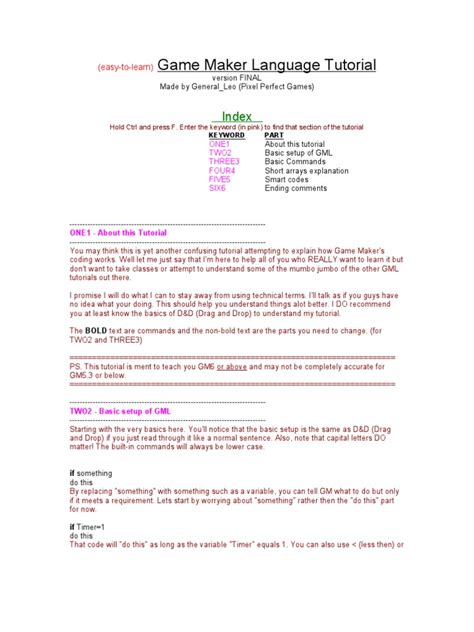
A glossary of terms can be an invaluable resource, allowing players to quickly look up unfamiliar words without disrupting their learning flow. Remember, the goal is clarity, not to impress with technical prowess.
Contextual Relevance and Why It Matters
Knowing how to perform an action is important, but understanding why it’s important and when to use it is often overlooked. Guides should explain the strategic value and practical application of each mechanic. How does this ability fit into the overall gameplay loop? What problems does it solve? What advantages does it confer? Providing this context helps players integrate new knowledge into their broader gameplay strategy and make informed decisions.
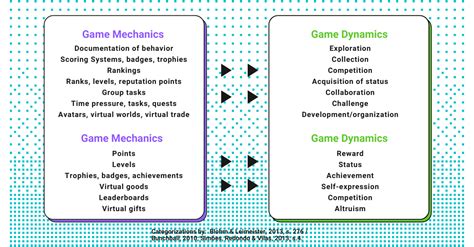
Understanding the ‘why’ motivates players to learn and master the mechanic, seeing it not just as a standalone action but as a valuable tool in their arsenal. This is particularly vital for complex interactions where the immediate benefit might not be obvious.
Conclusion: Empowering the New Player Journey
Simplifying complex game mechanics through well-crafted how-to guides is an art form that significantly impacts player retention and enjoyment. By employing progressive disclosure, compelling visuals, interactive elements, relatable analogies, clear language, and strategic context, developers and guide creators can transform potential roadblocks into engaging learning opportunities. Ultimately, the best guides don’t just teach players what to do; they empower them to confidently explore, experiment, and truly appreciate the depth and ingenuity of the game world.