How can game guides simplify complex rules for true beginners quickly?

The Beginner’s Dilemma: Navigating Complex Game Worlds
For someone entirely new to a game, especially those with intricate mechanics, deep lore, or a multitude of options, the initial learning curve can feel like an impenetrable wall. True beginners often get overwhelmed by thick rulebooks, jargon-filled tutorials, or a sheer volume of information. The goal of a truly effective game guide isn’t just to explain rules, but to distill them into an easily digestible format that enables quick comprehension and practical application.
The challenge lies in balancing comprehensive information with immediate usability. How can a guide cut through the noise and get a novice playing proficiently in the shortest time possible, without leaving crucial gaps in understanding?
Foundational Principles: Empathy and Progressive Disclosure
At the heart of simplifying rules for beginners is an empathetic approach. Guides must anticipate common points of confusion and address them before they become roadblocks. This involves a principle known as ‘progressive disclosure,’ where information is revealed only as it becomes relevant, preventing information overload. Instead of dumping all rules at once, the guide builds a foundation layer by layer.

Effective guides understand that a beginner needs to know ‘just enough’ to start playing and experience success, rather than knowing ‘everything’ before their first move. This minimizes cognitive load and maximizes engagement.
Strategy 1: Bite-Sized, Action-Oriented Steps
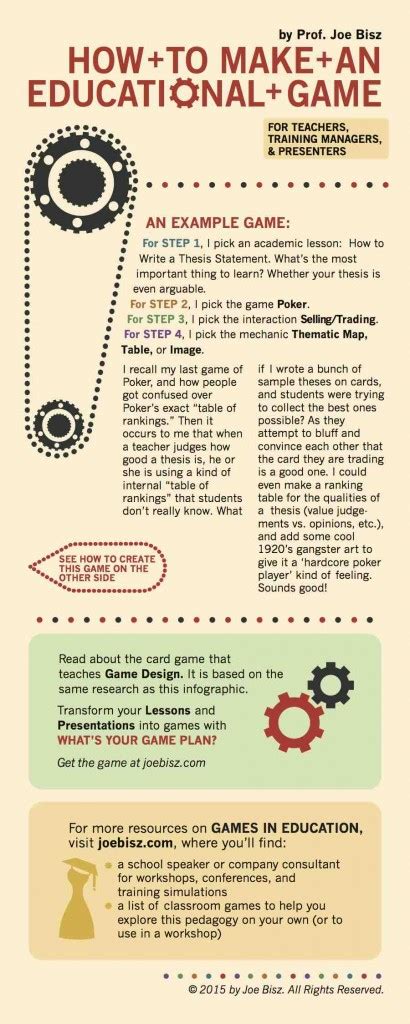
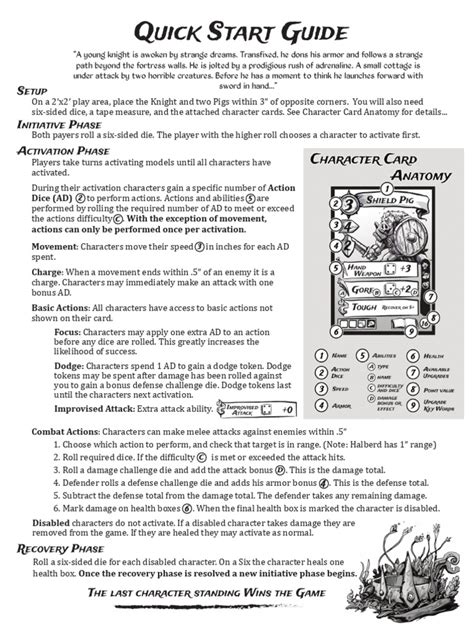
Complex rules should be broken down into the smallest possible, actionable units. Each unit should explain a single concept or action, followed by an immediate opportunity for the beginner to understand its application. This could be in the form of:
- Numbered or Bulleted Lists: Easy to follow sequences.
- Short Paragraphs: Focused explanations of one mechanic.
- “Do This First” Sections: Guiding the very first steps in the game.
By presenting information in small, digestible chunks, beginners can process and retain knowledge much more effectively, building confidence with each successful step.

Strategy 2: Prioritizing Core Mechanics Over Edge Cases
For true beginners, the 80/20 rule is paramount: focus on the 20% of rules that govern 80% of the gameplay. Guides should ruthlessly prioritize core mechanics necessary to play and win, deferring advanced strategies, nuanced interactions, or rare edge cases until later. This allows beginners to grasp the fundamental loop of the game without getting bogged down in exceptions or optimal play immediately.

For instance, in a strategy game, teach how to build basic units and attack before explaining intricate resource management or advanced diplomatic options. The goal is to get the beginner actively participating and enjoying the game quickly, with the understanding that deeper complexities can be explored once the basics are solid.
Strategy 3: Illustrative Examples and “Play-Along” Scenarios
Reading rules is one thing; seeing them in action is another. Effective game guides incorporate practical examples, mini-scenarios, or even “play-along” sections where the guide walks the beginner through a sample turn or situation. This bridges the gap between abstract rules and concrete application.

Visual aids like diagrams, flowcharts, and annotated screenshots are invaluable. They can convey complex relationships or sequences of actions far more quickly and clearly than text alone. Jargon should be introduced gradually and explained immediately, or ideally, simplified plain language should be used wherever possible.
Strategy 4: Clear Visuals and Plain Language
A picture is worth a thousand words, especially when dealing with spatial relationships or component interactions in a game. High-quality visuals—diagrams, annotated screenshots, iconography explanations—can dramatically reduce the cognitive load for beginners. Alongside visuals, the language used in the guide must be clear, concise, and free of unnecessary jargon. When jargon is unavoidable, it must be defined clearly the first time it’s introduced.
Avoid overly academic or technical language. Instead, use simple, direct sentences and an encouraging tone. A beginner friendly guide makes the learning process feel like an inviting journey, not a daunting academic task.
Conclusion: The Path to Rapid Proficiency
Simplifying complex game rules for true beginners quickly is an art that combines pedagogical principles with game design understanding. By adopting bite-sized information delivery, prioritizing core mechanics, utilizing practical examples, and employing clear visuals and language, game guides can transform what might otherwise be an overwhelming experience into an engaging and rapid learning journey. The ultimate success of such a guide is measured not just by comprehension, but by how swiftly a novice can transition from a bewildered beginner to an enthusiastic player actively enjoying the game.