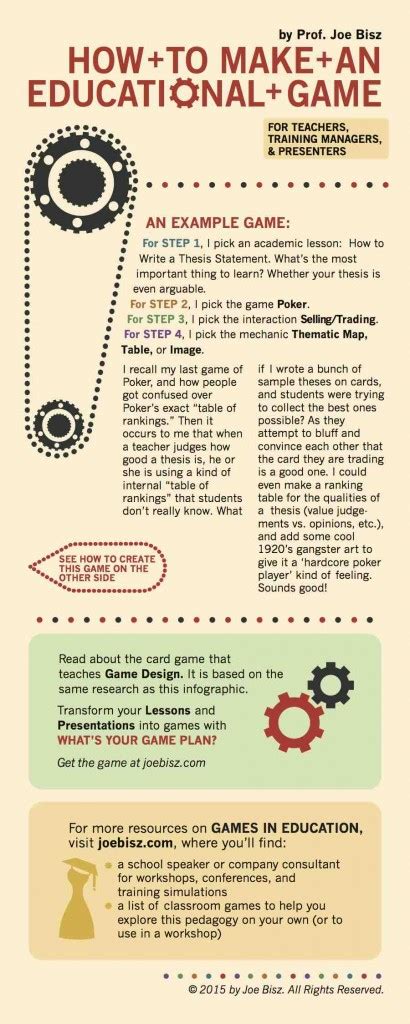
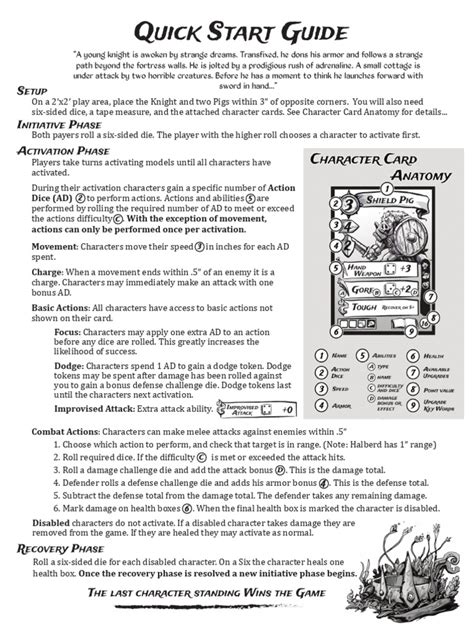
How can game guides simplify complex mechanics for beginners without patronizing?

Modern video games are marvels of intricate design, often presenting players with deep systems, complex mechanics, and a steep learning curve. While this depth is what keeps veterans engaged, it can be a formidable barrier for newcomers. The challenge for game guide writers isn’t just to explain these complexities, but to do so in a way that empowers beginners without ever making them feel condescended to or overwhelmed. It’s a delicate balance: simplifying without being simplistic.
Understanding the Beginner’s Mindset
New players often approach a game with a mix of excitement and trepidation. They might be unfamiliar with genre conventions, specific game terminology, or even basic control schemes. Throwing a wall of technical jargon or expecting prior knowledge is a surefire way to alienate them. A great guide anticipates these knowledge gaps and builds understanding from the ground up, acknowledging that everyone starts somewhere.
The key isn’t to dumb down the content, but to make it accessible. This means recognizing that a beginner’s intelligence isn’t lacking; their experience is. Guides should aim to bridge this experience gap respectfully.

Strategies for Respectful Simplification
1. Layered Learning: From Basic to Advanced
Imagine explaining a complex engine. You wouldn’t start with the individual atomic reactions in the fuel. Instead, you’d begin with its purpose, main components, and then progressively delve into how those components interact. Game guides should adopt a similar approach.
- Start with the ‘What’ and ‘Why’: Introduce the mechanic’s name and its primary purpose. Why does it exist? What problem does it solve or opportunity does it create for the player?
- Break Down Components: Once the purpose is clear, explain its individual parts or sub-mechanics.
- Build Up Interactions: Show how these parts work together, and how the player interacts with them.
- Introduce Nuances Gradually: Only after a solid foundation is built should advanced strategies, optimal rotations, or niche uses be introduced.
This method ensures beginners grasp the core concept before being burdened with advanced details, preventing information overload.

2. Contextualization and Real-World Analogies
Game mechanics often borrow from real-world physics, economics, or even social dynamics. Using analogies to familiar concepts can immediately make the unfamiliar relatable. For instance, explaining a “threat” mechanic in an MMORPG might involve comparing it to a police officer directing traffic, or a “crafting” system to baking a cake where ingredients are specific and steps are sequential.
Furthermore, demonstrating a mechanic’s impact within the game world—showing when and where it’s relevant—helps solidify understanding far more than a dry definition. Instead of just defining “aggro,” explain how failing to manage it leads to a party wipe and why it’s crucial for tanks.
3. Visual Aids and Practical Examples
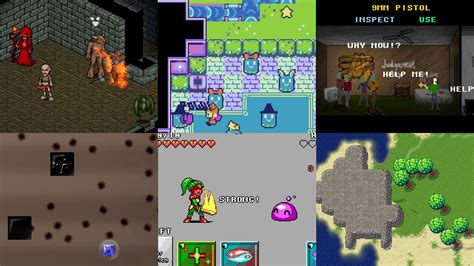
A picture is worth a thousand words, especially in game guides. Screenshots, diagrams, flowcharts, and even short GIFs (if the format allows) can illustrate concepts far more effectively than text alone. Show the UI elements involved, the visual cues for an ability, or a step-by-step process.
Beyond visuals, practical examples are invaluable. Don’t just explain how “dodge rolling” works; provide scenarios where it’s essential. “When the boss raises its left arm, this is your cue to dodge roll to the right.” Concrete, actionable advice tied to in-game situations builds confidence and comprehension.
4. Empathetic and Empowering Language
The tone of a guide is paramount. Avoid jargon without explanation, overly simplistic language that sounds patronizing, or dismissive attitudes towards common beginner mistakes. Instead, use encouraging language that acknowledges the learning process.
- “It’s common to struggle with this at first, but with practice…”
- “Don’t worry if this feels overwhelming; let’s break it down.”
- “Mastering this mechanic will significantly improve your gameplay…”
Frame explanations in terms of player agency and benefit. Focus on “how you can use this” rather than just “this is how it works.” This empowers beginners by showing them they can master the game, rather than just being passive recipients of information.

Conclusion
The goal of any beginner’s game guide is to transform a daunting challenge into an engaging learning experience. By embracing layered information, contextual explanations, vivid visual aids, and an empathetic, empowering tone, guide writers can simplify even the most complex mechanics. This approach not only helps new players understand the game but also fosters a sense of accomplishment and encourages them to dive deeper, ensuring they become engaged members of the gaming community, rather than frustrated ex-players.