How can game guides simplify complex mechanics for any beginner, big or small game?

Navigating the Labyrinth of Game Mechanics
Modern video games, from sprawling open-world epics to deceptively simple indie titles, often present players with a complex web of mechanics, systems, and unwritten rules. For a beginner, whether they’re dipping their toes into a massive RPG like Elden Ring or trying to grasp the nuances of a smaller strategy game, this complexity can be daunting, leading to frustration and even abandonment. This is where well-crafted game guides become indispensable tools, acting as a crucial bridge between confusion and comprehension.
A good guide doesn’t just tell you what to do; it explains why and how, breaking down formidable challenges into digestible, actionable steps. They transform seemingly impenetrable systems into understandable concepts, empowering new players to enjoy and excel, regardless of the game’s scale or difficulty.
The Essential Qualities of an Effective Game Guide
The core purpose of any game guide for beginners is simplification. This isn’t about dumbing down the game but rather about clarifying its intricate layers. Effective guides achieve this through several key approaches:
- Clear, Concise Language: Avoiding jargon where possible, or thoroughly explaining it when necessary. The language should be accessible to someone who has no prior knowledge of the game or its genre.
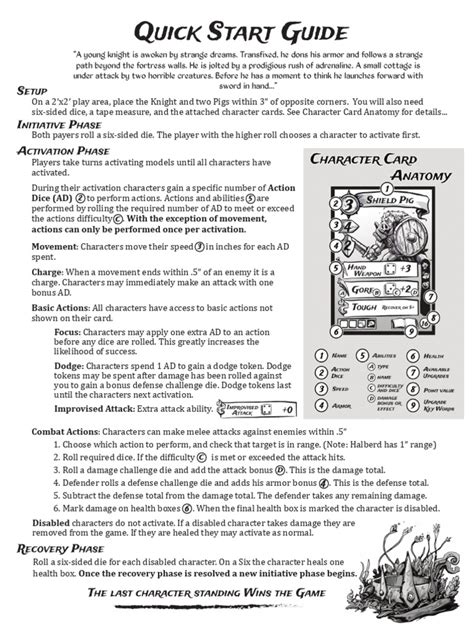
- Step-by-Step Breakdown: Complex mechanics are best understood when presented as a series of smaller, manageable steps. This could involve explaining combat rotations, resource management loops, or quest progression in an orderly fashion.
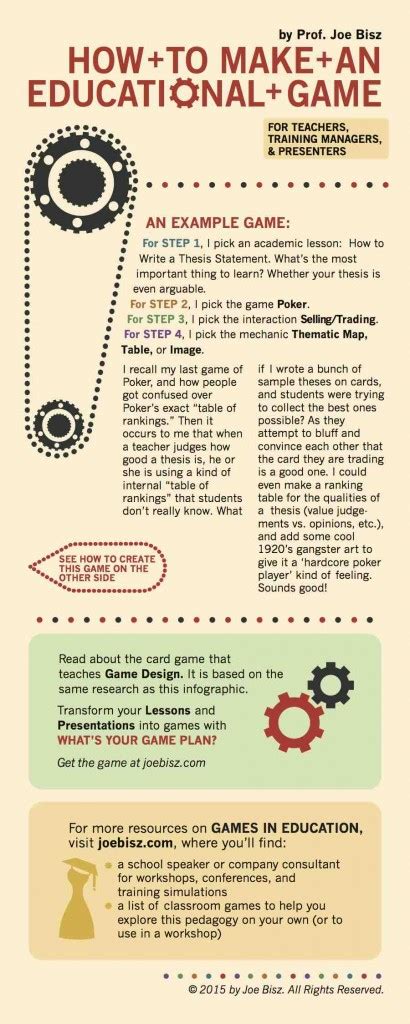
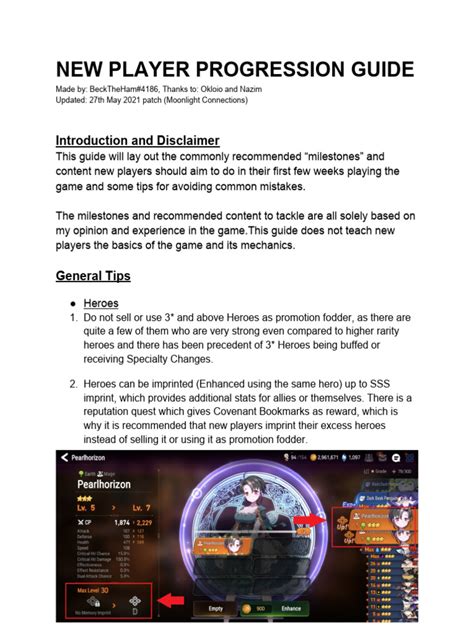
- Visual Aids and Examples: Screenshots, diagrams, flowcharts, or even short video clips are incredibly powerful. They illustrate concepts that are difficult to convey with text alone, such as optimal build paths, map layouts, or specific environmental puzzles.
- Contextual Explanations: It’s not enough to say “press X to dodge.” A good guide explains when to dodge, why it’s important (e.g., to avoid damage, reposition), and what happens if you don’t.
Strategies for Demystifying Complex Systems
Whether a game features a sprawling skill tree, intricate crafting, or real-time strategy decisions, guides employ specific strategies to make these elements less intimidating:
1. Introducing Core Concepts Gradually
Instead of overwhelming beginners with every detail upfront, effective guides introduce core concepts incrementally. They start with the absolute fundamentals – movement, basic interaction, primary objectives – and then build upon this foundation. For instance, in an RPG, a guide might first cover character creation and basic combat, then later delve into advanced spellcasting or gear optimization.
2. Creating Glossaries and Terminology Sections
Many games have their own unique lexicon (e.g., “aggro,” “DPS,” “AoE,” “kiting”). A dedicated glossary helps beginners quickly look up terms they encounter, preventing confusion and making other sections of the guide more understandable.
3. Explaining ‘Why’ Over Just ‘What’
Understanding the rationale behind a mechanic is crucial for mastery. Why should you prioritize certain stats? Why is positioning vital in combat? Why should you save certain resources? Guides that answer these ‘why’ questions foster a deeper understanding, allowing players to adapt to new situations rather than just memorizing a sequence of actions.
4. Providing Practical Scenarios and Tips
Theoretical knowledge needs practical application. Guides often include “walkthroughs” for early-game challenges, boss fight strategies, or efficient farming routes. These practical examples show beginners how to apply the mechanics they’ve learned in real game situations.
Adapting Guides for Any Game: Big or Small
The principles of simplification apply universally, but the approach can vary based on the game’s scope:
- For Big, Open-World Games: Guides often focus on critical path walkthroughs, major quest lines, character build optimization, and comprehensive explanations of vast skill trees or crafting systems. They might also include regional breakdowns and collectibles maps. The challenge here is managing the sheer volume of information without overwhelming the reader.
- For Smaller, Indie Games: These games might have fewer systems, but their mechanics can be equally obscure or uniquely designed. Guides for indie games often focus on explaining the core loop, unique puzzle solutions, hidden mechanics, or specific strategies required to overcome unusual challenges. The emphasis shifts from breadth to depth on fewer, more concentrated mechanics.
Ultimately, whether it’s an expansive universe or a tightly-knit experience, a successful game guide identifies the player’s potential pain points and proactively offers clear, actionable solutions.
Empowering Every Player to Conquer Any Game
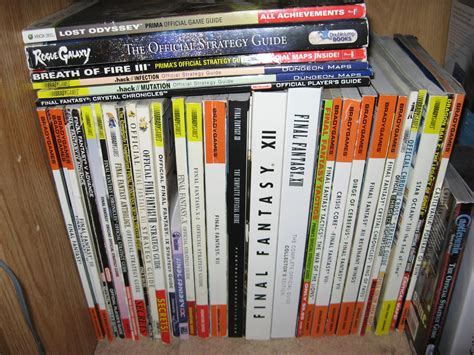
Game guides are more than just cheat sheets; they are essential educational resources that democratize the gaming experience. By meticulously breaking down complex mechanics into manageable parts, providing clear explanations, and offering practical advice, they empower beginners – regardless of their prior gaming experience or the game’s complexity – to not only understand but also master any title they choose to play. They turn frustration into fun, confusion into clarity, and ultimately, help foster a more inclusive and enjoyable gaming community.