How can game guides effectively teach crucial core mechanics without overwhelming new players?

New players embarking on a journey into a complex video game often face a daunting learning curve. While game guides are essential tools for education, poorly designed ones can quickly overwhelm, leading to frustration and abandonment. The art lies in distilling essential information and delivering it in a digestible format, ensuring crucial core mechanics are understood without flooding the new player with an unmanageable deluge of data.
Start with the Absolute Essentials
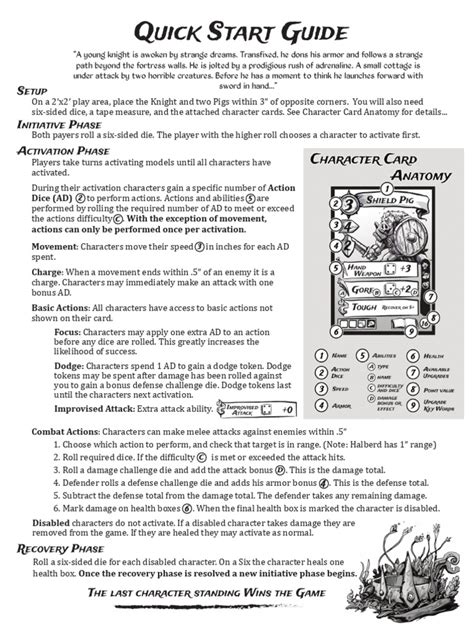
The first step in an effective game guide is ruthless prioritization. What are the absolute minimum mechanics a player needs to understand to take their very first action and progress through the initial tutorial or starting zone? Focus solely on these foundational elements. Avoid discussing advanced strategies, intricate lore, or situational abilities until the player has a firm grasp of movement, basic interaction, and primary combat or puzzle-solving loops.
Introduce concepts one at a time, allowing the player to internalize each mechanic before moving to the next. This phased approach builds confidence and a strong base of understanding.
Provide Context and Explain “Why”
Simply telling a player “press X to jump” is functional, but explaining *why* jumping is important or *when* it should be used makes the mechanic more meaningful. Is it for traversal, dodging attacks, or reaching hidden areas? Context helps new players connect the dots and understand the practical application of a mechanic within the game world.
Guides should go beyond just stating facts. They should illustrate the consequence of using or not using a mechanic, framing it within the player’s immediate goals. For example, instead of just saying “use potions to heal,” explain “use potions when your health is low to survive challenging encounters.”
Encourage Hands-On Practice Immediately
Learning by doing is one of the most effective pedagogical methods. A good game guide doesn’t just describe a mechanic; it prompts the player to immediately try it out in a safe, low-stakes environment. This could be a dedicated tutorial area, a controlled combat encounter, or a simple puzzle that requires the newly learned skill.
Reinforce understanding through repetition. After explaining a basic attack, present a few weak enemies for the player to practice on. After explaining inventory management, provide a few items to sort or equip. This practical application solidifies learning far better than passive reading alone.

Leverage Visuals and Clear Language
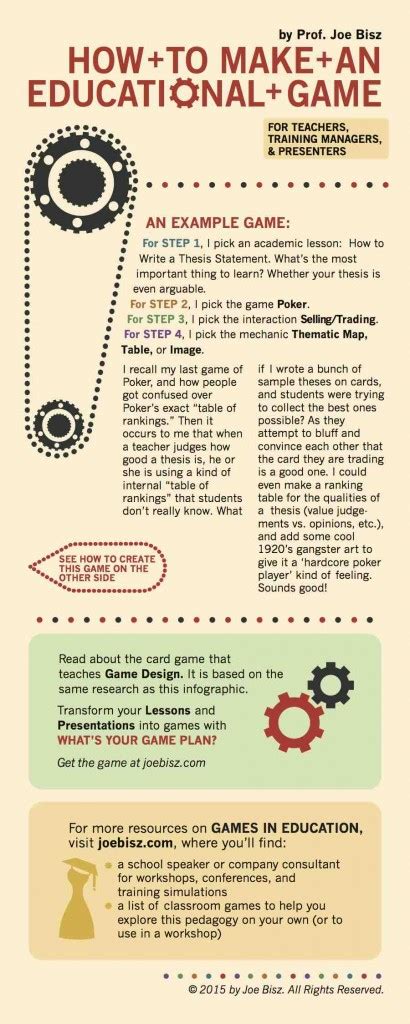
Text-heavy guides can be intimidating. Incorporate clear, simple visuals to illustrate complex concepts. Diagrams, annotated screenshots, or even short animated GIFs (if the platform allows for dynamic content, though we are limited to static images here) can convey information much faster than paragraphs of text. Ensure any terminology used is either universally understood or clearly defined upon its first appearance.
Avoid jargon and overly technical explanations. If a complex term is unavoidable, break it down into simpler components. Use consistent formatting, headings, and bullet points to improve readability and help players quickly find the information they need.

Layer Information and Offer Advanced Tips Later
Once a player has mastered the basics, a guide can begin to introduce more nuanced applications or advanced techniques. This layering ensures that the core mechanics are solid before the player is exposed to complexities. For instance, after teaching basic movement, introduce advanced movement options like dodging or sprinting. After basic attacking, introduce combos or special abilities.
Consider creating separate sections or even distinct guides for “beginner,” “intermediate,” and “advanced” strategies. This allows new players to focus solely on what’s immediately relevant, while still providing a clear path for growth once they’re ready for more depth.
Provide Accessible Reference Points
Even with excellent initial teaching, players will inevitably forget details or need to reference specific mechanics later. An effective game guide should be easily searchable and navigatable. Clearly labeled sections, a table of contents, and an index (if applicable) allow players to quickly find answers without having to re-read the entire guide.
Think of the guide not just as a linear tutorial, but also as a living reference manual that players can consult as they encounter new challenges or simply need a refresher on a core mechanic.
Conclusion
Teaching crucial core mechanics without overwhelming new players is a delicate balance. By adopting strategies such as gradual introduction, providing context, encouraging hands-on practice, leveraging clear visuals, layering information, and creating accessible reference points, game guides can become powerful tools that empower new players, fostering engagement and ensuring a positive initial experience. A well-designed guide transforms potential frustration into confident exploration, setting the stage for long-term player enjoyment.