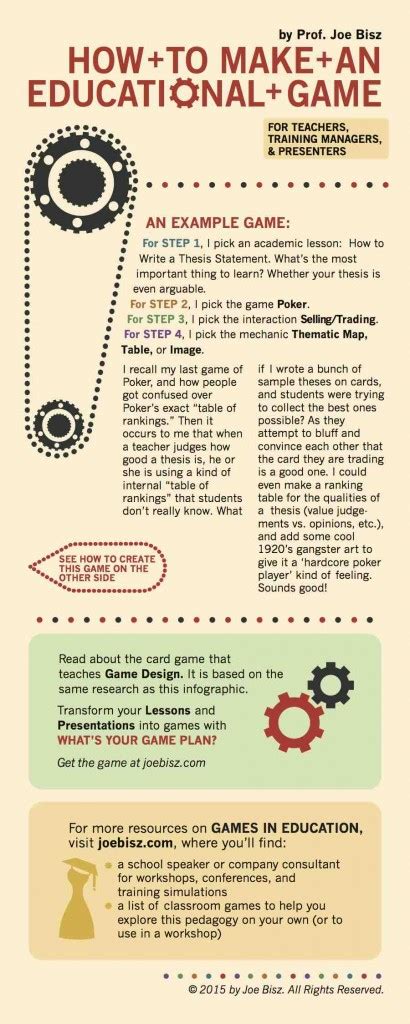
How can game guides effectively hook new players and prevent early drop-off in complex games?

The Challenge of Complexity: Why New Players Struggle
Complex games, while offering deep and rewarding experiences, often present a formidable barrier to entry for new players. Overwhelming mechanics, intricate lore, and a steep learning curve can lead to early frustration and, ultimately, player drop-off. A well-designed game guide isn’t just a manual; it’s a critical tool for bridging this gap, transforming potential churn into lasting engagement.
The key lies in understanding player psychology and anticipating points of confusion, crafting a guide that educates, empowers, and entices rather than simply listing facts. By focusing on accessibility and progressive learning, guides can effectively hook newcomers and integrate them into the game’s world.

The Critical First Impression: Streamlined Onboarding
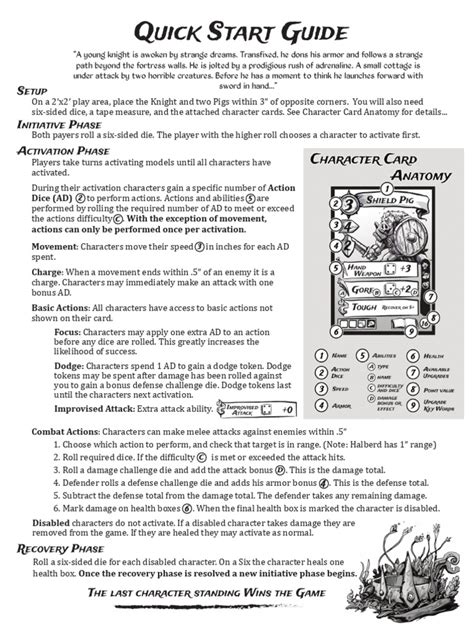
The initial hours in a complex game are paramount. Guides must prioritize a streamlined onboarding experience that introduces core concepts without inundating the player. This isn’t just about a tutorial; it’s about a holistic introduction that feels natural and compelling.
- Focus on Core Loop First: Immediately highlight the fundamental activities and rewards. What does the player primarily DO in this game?
- Minimizing Cognitive Load: Avoid introducing too many systems or options at once. Lock or gate advanced features until the player is ready.
- Clear Objectives and Rewards: Guide players through small, achievable quests or tasks that provide immediate gratification and demonstrate basic mechanics.
- Interactive Walkthroughs: Rather than passive text, offer “learn by doing” experiences where players perform actions and see their direct consequences.
Gradual Revelation: Pacing Information Delivery
Complex games thrive on layers of depth, but revealing them all at once is a recipe for disaster. Effective guides adopt a “need-to-know” approach, unveiling mechanics and lore progressively as the player encounters relevant situations or reaches certain milestones.
Think of it as a mentor guiding a protégé: offer just enough information to solve the current challenge, then slightly more to prepare for the next. This controlled flow of information prevents overwhelm and fosters a sense of discovery, making learning an integral part of the fun.

Interactive Learning: Tutorials That Engage
Gone are the days of lengthy, unskippable text walls. Modern game guides, especially within the game itself, should embrace interactivity. This means more than just button prompts; it means contextual guidance that feels like a natural extension of gameplay.
- “Show, Don’t Tell”: Use visual cues, animations, and guided actions to demonstrate mechanics.
- Optional Deep Dives: Provide readily accessible, but opt-in, encyclopedic information for those who want to delve deeper into lore or advanced strategies.
- Practice Arenas/Sandboxes: Allow players a safe space to experiment with new abilities or build orders without penalty.
- Adaptive Tutorials: Guides can track player progress and behavior, offering help on specific areas where a player might be struggling.
Contextual Help and In-Game Resources
Even with excellent onboarding, players will inevitably encounter situations where they need help. A truly effective guide integrates seamlessly into the gameplay experience, offering assistance precisely when and where it’s needed.
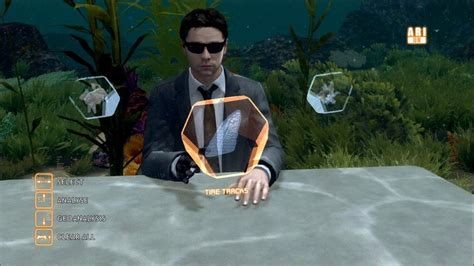
- Dynamic Tooltips: Hovering over an item, ability, or UI element should provide concise, helpful information.
- In-Game Codex/Glossary: A searchable resource for all game terms, characters, items, and mechanics.
- Quest Log Integration: Ensure quest objectives are clear and provide hints for progression, especially in open-ended games.
- “Call for Help” System: A simple way to request context-sensitive tips or be pointed towards a relevant guide section.

Fostering Community and Progression
Beyond direct in-game guidance, effective guides can also point players towards external resources and emphasize the long-term journey, reinforcing reasons to stay. Complex games often have vibrant communities, and guiding new players to these hubs can be invaluable.
- Highlight Community Resources: Point to official forums, Discord servers, wikis, or fan-made guides where players can find peers and advanced strategies.
- Showcase Future Content: Hint at later-game content, advanced builds, or exciting challenges to provide a sense of progression and long-term goals.
- Early Mastery Rewards: Offer small, but meaningful, rewards for mastering initial challenges, reinforcing the learning process.
![The Geeky Guide to Nearly Everything: [TV] Community: Season 4](/images/aHR0cHM6Ly90czMubW0uYmluZy5uZXQvdGg/aWQ9T0lQLjRITjFjY3ZOMURUVmZEUk1oNTlwX1FIYUtjJnBpZD0xNS4x.webp)
Guiding Towards Lasting Engagement
Preventing early drop-off in complex games isn’t about making the game simpler; it’s about making its complexity accessible. By designing game guides that prioritize streamlined onboarding, gradual information delivery, interactive learning, contextual help, and community integration, developers can transform daunting first impressions into deep, rewarding, and lasting player engagement. A well-crafted guide doesn’t just teach the game; it invites players to truly belong within its world.