How can game guides effectively explain complex jargon and mechanics to absolute beginners?

Bridging the Knowledge Gap for New Gamers
The vibrant world of video games can often feel like an exclusive club, especially for absolute beginners. New players are frequently bombarded with a lexicon of game-specific jargon and intricate mechanics that can quickly become overwhelming. An effective game guide isn’t just a manual; it’s a patient mentor, designed to demystify these complexities and smooth the path for newcomers. So, how can guides achieve this crucial balance?
Start with the Absolute Basics
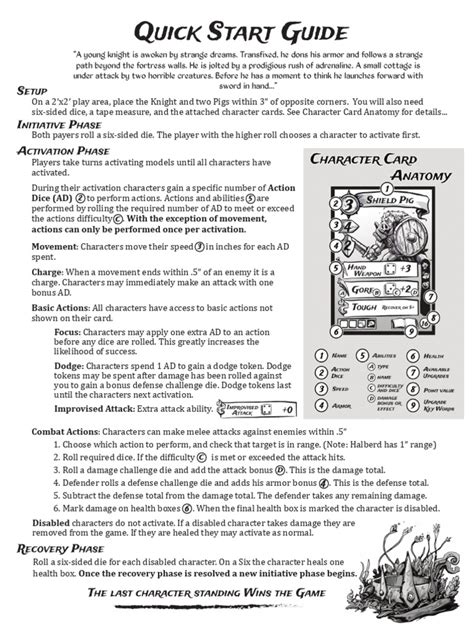
The first rule of explaining anything to a beginner is to assume no prior knowledge. Game guides must meticulously define every piece of jargon the moment it appears. Avoid acronyms or technical terms without a clear, concise explanation. For instance, instead of just saying “DPS,” explain it as “Damage Per Second, a measure of how much damage a character or weapon can inflict over time.”
Use plain, accessible language. If a concept can be explained using everyday words, do so. Break down complex sentences into shorter, more digestible pieces. Think of the reader as someone who has never touched a controller or keyboard for this type of game before.

Introduce Concepts Incrementally
Information overload is a common pitfall. Instead of dumping all mechanics at once, an effective guide introduces them one by one, building a foundation of understanding. Think of it like learning to ride a bike: you start with balancing, then pedaling, then steering, and finally combining them all. A guide should follow a similar progression.
Begin with core movement and interaction, then move to basic combat, resource management, and finally, advanced strategies. Each new concept should ideally build upon previously explained ones, creating a natural learning curve. This scaffolding approach allows beginners to absorb information without feeling swamped.

Utilize Visual Aids Extensively
A picture is worth a thousand words, especially when dealing with visual mediums like video games. Screenshots, annotated diagrams, flowcharts, and short video clips (if the guide format allows) are invaluable. Show where the health bar is, illustrate the range of an ability, or demonstrate a sequence of actions. Visuals help cement understanding and provide immediate context that text alone often struggles to convey.
For example, instead of describing the convoluted path to a specific item, a screenshot with an arrow pointing the way is far more effective. Diagrams can simplify complex skill trees or resource economies.

Employ Relatable Analogies and Metaphors
Connecting a foreign game concept to a familiar real-world experience can significantly aid comprehension. Is “aggro” similar to a dog’s attention? Is “resource management” like budgeting your money? These analogies create a bridge between the known and the unknown, making abstract ideas more concrete and easier to grasp.
When using analogies, ensure they are universally understood and do not introduce new ambiguities. The goal is clarity, not further confusion.
Encourage Practice and Practical Scenarios
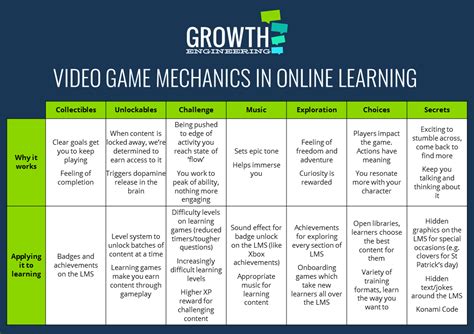
Understanding a concept theoretically is one thing; applying it is another. Effective guides encourage beginners to pause and practice what they’ve learned. They might suggest specific in-game situations or ‘training exercises’ where the reader can try out a new mechanic. Providing simple “if X, then do Y” scenarios helps solidify knowledge.
A good guide also anticipates common mistakes or misunderstandings and offers troubleshooting tips, acting as a supportive voice throughout the learning process.

Conclusion: Patience and Clarity are Key
Ultimately, an effective game guide for beginners is built on empathy, patience, and absolute clarity. By simplifying language, introducing concepts gradually, leveraging strong visuals, employing relatable analogies, and encouraging practical application, guides can transform a potentially frustrating learning experience into an engaging and empowering journey. The goal is not just to transfer information, but to foster confidence and enjoyment in the nascent gamer.