How can game guides best teach core mechanics to overwhelmed new players?

Navigating the Initial Deluge: Why New Players Get Overwhelmed
Stepping into a new video game, especially one with deep systems and intricate gameplay loops, can be an exhilarating yet daunting experience. For many new players, the initial moments are less about discovery and more about survival against a torrent of unfamiliar controls, interfaces, and mechanics. Game guides, while intended to help, often exacerbate this problem by dumping too much information at once, assuming prior knowledge, or failing to present concepts in an easily digestible manner. The critical challenge for guide writers is not just to explain ‘what’ the mechanics are, but ‘how’ a new player can truly understand and effectively apply them without feeling swamped.

The Pitfalls of Information Overload in Traditional Guides
Many traditional game guides fall into the trap of comprehensive documentation rather than pedagogical instruction. They might list every control, every item, and every system detail in a long, unbroken text, often without context or priority. This approach, while thorough, is counterproductive for a novice. A new player doesn’t need to know every nuance of endgame crafting when they’re still figuring out how to move their character or activate their first ability. The result is often frustration, disengagement, and ultimately, players abandoning the game before they even grasp its core appeal. Effective guides must prioritize clarity and pacing over sheer volume of information.
Core Principles for Teaching Mechanics Effectively
1. Incremental Learning: One Concept at a Time
The most effective way to teach a complex system is to break it down into its smallest, most manageable components. Each core mechanic should be introduced individually, allowing the player to fully grasp and practice it before moving on. For example, instead of explaining movement, attacking, and inventory management all at once, a guide could first focus on basic movement, then introduce a simple attack, and only later delve into inventory when the player has a tangible reason to use it.
2. Contextualized Explanation: The Why and When
Mechanics are rarely abstract; they exist to solve a problem or enable an action within the game world. Guides should explain not just ‘how’ to perform an action, but ‘why’ it’s important and ‘when’ to use it. Presenting a mechanic as a solution to a common new-player challenge (e.g., “stuck on this enemy? Here’s how to use your dodge ability!”) makes the information immediately relevant and memorable.

3. Active Engagement: Learn by Doing
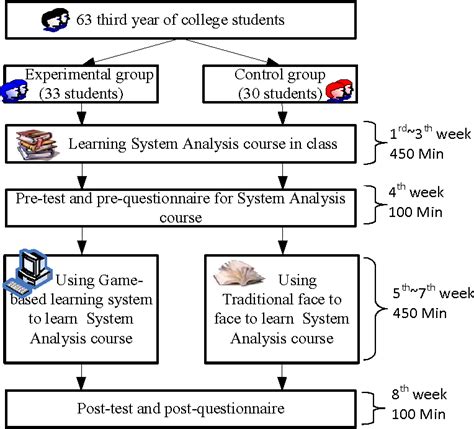
Reading about a mechanic is one thing; performing it is another. Great guides encourage active learning. This means prompting the player to try the mechanic themselves, ideally with simple, low-stakes exercises. Integrating short, actionable challenges directly into the guide can transform passive reading into active skill acquisition. Screenshots and short video clips (even if just implied by text) illustrating the action can also be invaluable.
4. Clear Language and Visual Aids
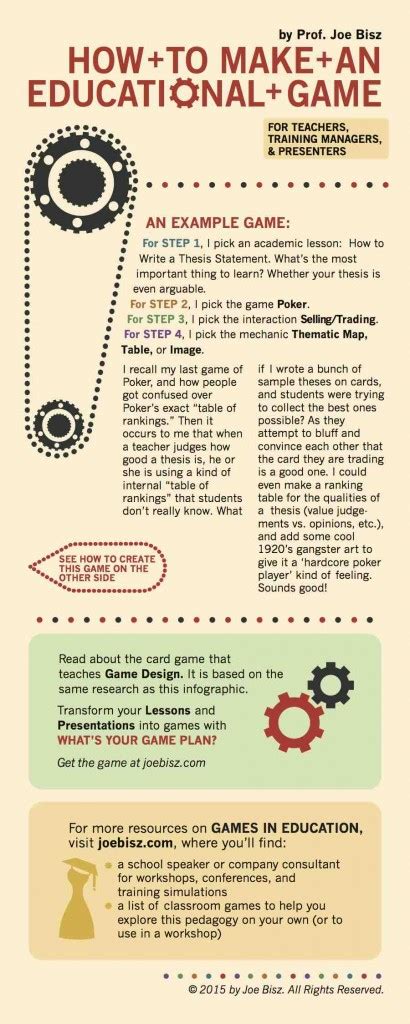
Avoid jargon wherever possible, or explain it immediately when introduced. Use simple, direct language. Visual aids are crucial: annotated screenshots, flowcharts, or simple diagrams can convey more information in less time than paragraphs of text. Highlighting key UI elements that relate to the mechanic being taught helps new players locate relevant information within the game itself.

Practical Strategies for Guide Creators
Streamlining the Onboarding Path
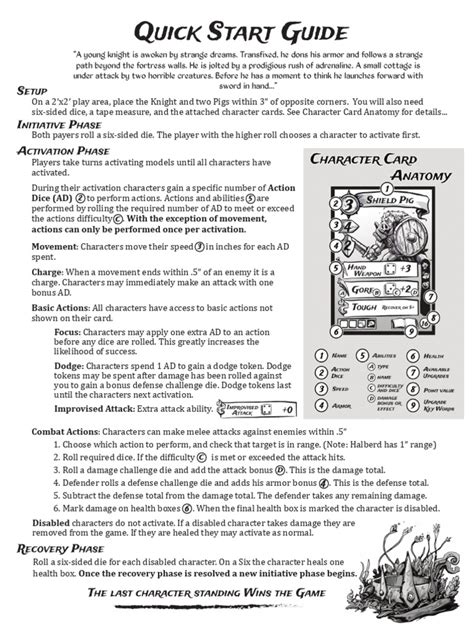
A “quick start” section is invaluable, offering the absolute minimum information needed to get a player into the game and performing basic actions. This can be followed by more detailed sections that branch out. Think of it like a tutorial path: essential mechanics first, then optional deep dives.
Leveraging Analogies and Real-World Examples
For abstract mechanics, comparing them to real-world concepts or simpler game mechanics from other titles can bridge understanding gaps. For instance, explaining a cooldown timer using the analogy of waiting for a skill to recharge in a mobile game many might be familiar with.

Interactive Elements and Checklists
While an article can’t be truly interactive, guide writers can simulate it. “Try this now:” prompts, “Did you know?” callouts, and simple checklists can help structure the learning experience. For more complex mechanics, creating a troubleshooting section or common mistakes to avoid can pre-empt player frustration.
Progressive Disclosure and Layering Information
Instead of presenting all information at once, guides should reveal details as they become relevant. Start with the “what you need to know now” and provide links or references to “what you can learn later.” This layering prevents cognitive overload while still offering comprehensive coverage for those who seek it.
Conclusion: Empowering the New Player Experience
Effective game guides for new, overwhelmed players are not just repositories of information; they are carefully crafted learning tools. By adopting principles of incremental learning, contextualization, active engagement, and clear communication, guide creators can transform the daunting initial hours of a game into an engaging and empowering experience. The goal is to build confidence and competence, guiding players step-by-step through the game’s core mechanics, ensuring they not only survive the learning curve but thrive within the rich world the game offers.