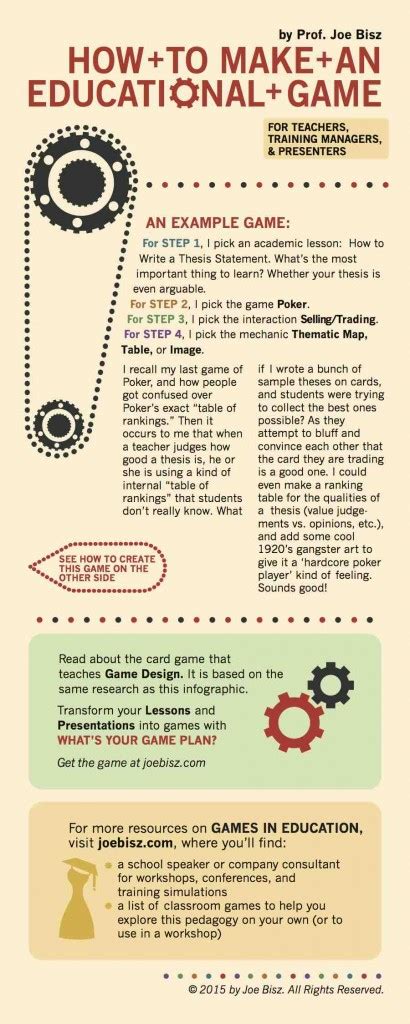
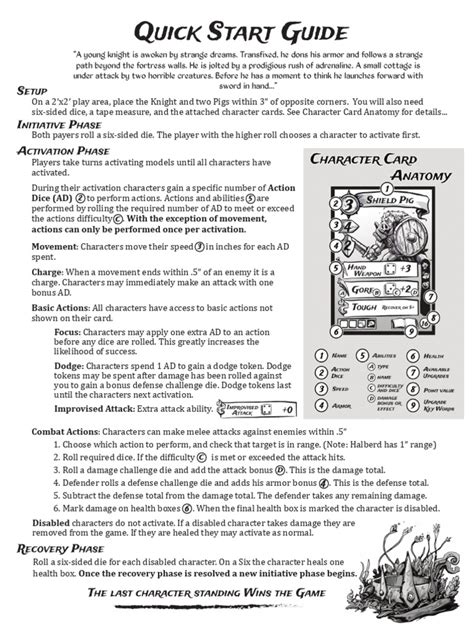
How can game guides best onboard new players without info overload?

For many gamers, the initial hours with a new title can be a make-or-break experience. A well-designed guide can ease new players into complex mechanics, lore, and objectives, transforming potential frustration into genuine engagement. However, the delicate balance lies in providing just enough information without overwhelming them – a common pitfall known as “info overload.”
The Peril of Information Overload
New players are often presented with a deluge of text boxes, lengthy tutorials, and intricate UI elements from the outset. This can lead to cognitive overload, where the player struggles to process or retain crucial information. Instead of feeling empowered, they might feel intimidated, confused, or even bored, leading to early abandonment of the game. The goal of a guide isn’t to tell players everything at once, but to equip them with the confidence to learn as they play.

Strategies for Seamless Onboarding
1. Progressive Disclosure
This is arguably the most critical technique. Instead of front-loading all information, introduce concepts and mechanics gradually, only when they become relevant to the player’s immediate experience. For instance, don’t explain advanced crafting until the player has gathered basic resources and completed initial quests.
- Layered Learning: Start with core controls and objectives, then introduce secondary mechanics, and finally advanced strategies.
- Contextual Cues: Display tips or explanations only when the player encounters a new element or is about to perform an action for the first time.
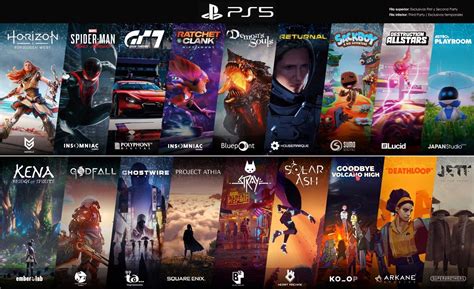
2. Learning by Doing: Interactive Tutorials
Players learn best when they are actively engaged. Interactive tutorials, where players perform actions rather than just read about them, are far more effective. Guide them through the first few steps of combat, crafting, or exploration, allowing them to build muscle memory and understanding firsthand.
- Mini-Challenges: Design small, guided tasks that teach specific mechanics.
- “Ghost” Inputs: Show players the correct button presses or movements to execute an action.

3. Prioritize Essential Information
Not all information holds equal importance for a beginner. Identify the absolute core mechanics, goals, and safety nets that a player needs to survive and progress initially. Defer explanations of complex lore, optional side activities, or highly optimized strategies until later stages or make them accessible via an in-game encyclopedia.
Focus on answering: “What do I need to do right now?” and “How do I do it?”
4. Visual Aids and Clear Language
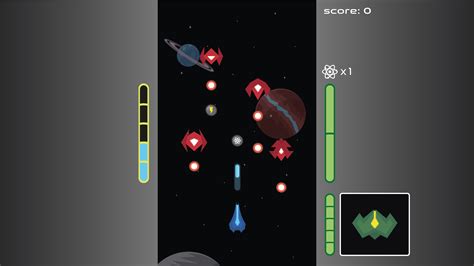
A picture is worth a thousand words, especially in games. Use clear icons, highlighted UI elements, brief animations, and concise language. Avoid jargon where possible, or explain it simply. Visual indicators for quest objectives, enemy weaknesses, or resource locations are invaluable.
5. Optional Deep Dives and Reference Materials
While the main onboarding should be lean, provide avenues for curious players to explore more. An in-game codex, wiki, or dedicated help section allows players to look up specific information at their own pace without interrupting the main flow. This caters to different learning styles without forcing a heavy read on everyone.

Conclusion: Guiding, Not Dictating
Ultimately, the best game guides are those that feel less like a lecture and more like a helpful companion. They empower players to discover, experiment, and learn at their own pace, providing gentle nudges rather than overwhelming directives. By embracing progressive disclosure, interactive elements, and clear communication, developers can transform the daunting initial hours into a compelling introduction that fosters long-term player engagement and enjoyment.