How can game guides best introduce mechanics to avoid overwhelming beginners?

The Challenge of Onboarding New Players
For newcomers to a game, the initial hours can be a make-or-break experience. A poorly introduced mechanic can lead to frustration, confusion, and ultimately, player churn. Game guides play a crucial role in bridging this knowledge gap, but they must do so carefully to avoid overwhelming beginners with an avalanche of information. The art lies in delivering the right information, at the right time, in the most digestible format.
Foundational Principles for Effective Mechanic Introduction
1. Gradual Revelation and Chunking Information
One of the most common pitfalls is presenting too many mechanics at once. Instead, guides should advocate for and replicate a ‘chunking’ strategy. Break down complex systems into their smallest, most manageable components. Introduce core movement and interaction first, then slowly layer on combat, inventory management, crafting, or advanced abilities. This allows beginners to master one concept before moving on to the next, building a solid foundation of understanding.
2. Contextual Learning and Practical Application
Explaining a mechanic in isolation is far less effective than demonstrating it in action. Game guides should emphasize learning within the game’s context. Rather than merely describing a button press, explain why and when that action is useful. For example, explain how to jump immediately before a gap that requires jumping. This ‘learn by doing’ approach, where mechanics are introduced just as they become relevant to the player’s immediate goals, makes the information stickier and more meaningful.
3. Clear, Concise Language and Visual Aids
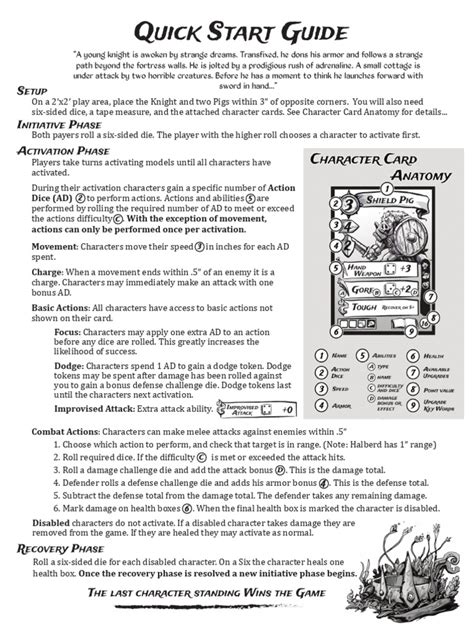
Game jargon can be a significant barrier. Guides must use simple, plain language, avoiding acronyms or highly technical terms unless absolutely necessary, and then defining them immediately. Visual aids are indispensable. Screenshots with highlighted UI elements, simple diagrams, or even conceptual explanations of in-game indicators can clarify complex ideas far more effectively than text alone. A well-designed guide should feel less like a textbook and more like a helpful friend showing you the ropes.

4. Interactive Tutorials and Guided Practice
The best game guides encourage interaction. They don’t just tell you what to do; they prompt you to do it. This might involve setting up simple, low-stakes scenarios where beginners can practice a newly introduced mechanic without fear of failure. Immediate, constructive feedback on their actions reinforces correct behavior and helps correct misunderstandings. Think of it as a guided tour where you’re encouraged to touch and explore, not just observe.

5. Progressive Complexity and Layered Learning
Many games have mechanics with surprising depth. Guides should introduce the basic functionality first, ensuring beginners can operate at a fundamental level. Once that’s grasped, subsequent sections can introduce advanced techniques, subtle nuances, or situational applications. This layered approach ensures that players aren’t faced with the entirety of a mechanic’s complexity upfront, allowing them to progress at their own pace from basic understanding to eventual mastery.
6. Optionality and Pacing
Not all beginners are starting from zero. Some might be familiar with similar genres, while others are completely new. Effective guides, and by extension the in-game tutorials they describe, should offer optionality. Allowing players to skip sections they already understand, or revisit tutorials for a refresher, empowers them to control their learning pace. This respects player agency and prevents boredom for experienced players, while still providing robust support for true novices.

Beyond the First Hour: Reinforcement and Accessibility
The job of a game guide isn’t over after the initial introduction. Good guides also highlight ways the game itself reinforces learning: clear tooltips, in-game wikis, ‘help’ menus, or practice arenas. Making this information easily accessible and searchable within the guide allows players to look up forgotten details or explore advanced strategies once they’re more comfortable with the basics.

Conclusion: A Player-Centric Approach
Ultimately, the goal of introducing mechanics in a game guide is to empower the player, not to simply dump information. By adopting a player-centric approach – one that prioritizes gradual, contextual, clear, interactive, and optional learning – guides can transform the potentially overwhelming initial experience into an engaging and encouraging journey. When done right, guides don’t just teach the game; they foster a love for discovery and mastery, ensuring beginners turn into dedicated players.