How can game beginner guides teach core mechanics effectively without info dumping?

The Challenge of Onboarding New Players
For game developers and guide creators, striking the right balance in teaching core mechanics to beginners is a perennial challenge. The goal is to equip players with the necessary knowledge to enjoy the game without overwhelming them with an immediate deluge of information. Info dumping—presenting all critical data upfront—often leads to player frustration, confusion, and ultimately, disengagement. So, how can guides teach effectively while maintaining player interest?
The Perils of Information Overload
Imagine starting a new game and being immediately hit with a 20-page manual or a mandatory 30-minute tutorial that explains every single system. Most players would either skip through it, forget half of what they read, or simply quit. The human brain learns best by doing, especially when the information is presented contextually and progressively. Info dumping ignores this fundamental principle, creating a barrier to entry rather than a welcoming path.
Contextual Learning: The “Show, Don’t Tell” Approach
One of the most powerful strategies is to teach mechanics as they become relevant. Instead of a pre-game lecture, integrate learning directly into the initial gameplay experience. Introduce movement controls when the character needs to move, combat mechanics when the first enemy appears, and resource gathering when resources are needed for progress. This method ensures players immediately understand the purpose and application of each new mechanic.

This approach transforms learning into discovery, making it a natural part of the game’s unfolding narrative. Guides can highlight these moments, offering succinct, timely explanations rather than exhaustive upfront details.
Phased Introduction: One Mechanic at a Time
Complex games are built on layers of interconnected mechanics. Effective beginner guides break these down into manageable chunks. Introduce fundamental movement first, then basic interaction, then simple combat, and so on. Each new mechanic should build upon previously learned skills, creating a sense of progression and mastery rather than an insurmountable learning curve.
Interactive & Experiential Teaching
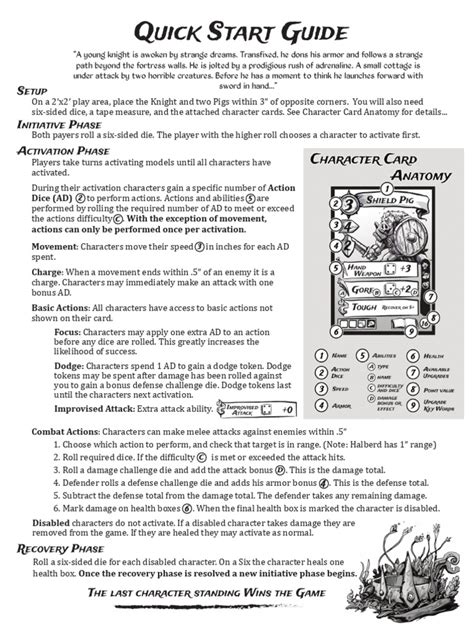
The most effective way to learn a game mechanic is to experience it firsthand. Beginner guides should encourage interactive tutorials, mini-challenges, or controlled environments where players can practice new skills without immediate pressure. For instance, rather than explaining how to use a special ability, have a section in the guide that walks the player through using it against a non-threatening target, followed by a brief explanation of its strategic use.

Leveraging Visuals and Audio Cues
Visual aids, intuitive UI design, and subtle audio cues can significantly reduce the need for lengthy textual explanations. A clear icon for an ability, an animation demonstrating its effect, or a sound confirming a successful action can communicate more effectively than paragraphs of text. Beginner guides can analyze and highlight these in-game design choices, showing players what to look for and how to interpret the game’s built-in feedback systems.
Gradual Scaffolding and Reinforcement
Learning isn’t a one-time event; it’s a process of reinforcement. Initially, a mechanic might be introduced in a simple scenario. Later, it can be integrated into more complex situations, requiring players to combine it with other skills they’ve learned. Guides can anticipate these escalating complexities, providing tips for applying basic mechanics in advanced scenarios, ensuring that players continually build upon their foundation.

The “Optional Deep Dive”: Respecting Player Agency
While avoiding info dumping in the core path is crucial, some players crave detailed information. The solution is to offer optional, easily accessible deep dives. This could be an in-game glossary, a wiki, or an advanced tips section within a guide that players can consult when they choose. This respects different learning styles and paces, giving curious players the detail they desire without forcing it upon everyone.
Immediate Feedback and Clear Objectives
Players learn best when they know if their actions are successful or not. Guides should emphasize the importance of immediate, clear feedback from the game. Did that attack land? Did that puzzle piece fit? Are you moving in the right direction? Highlighting the game’s feedback mechanisms (visual indicators, sound effects, UI messages) helps beginners understand the consequences of their actions and reinforces correct gameplay patterns.
Crafting a Seamless Onboarding Experience
Ultimately, effective beginner guides teach core mechanics by prioritizing player experience. They ditch the exhaustive upfront dump in favor of contextual, progressive, and interactive learning. By breaking down complexity, leveraging the game’s own design, and offering optional deeper insights, guides can transform the daunting task of learning a new game into an engaging and rewarding journey, fostering player confidence and long-term engagement.